
Last updated November 20, 2026
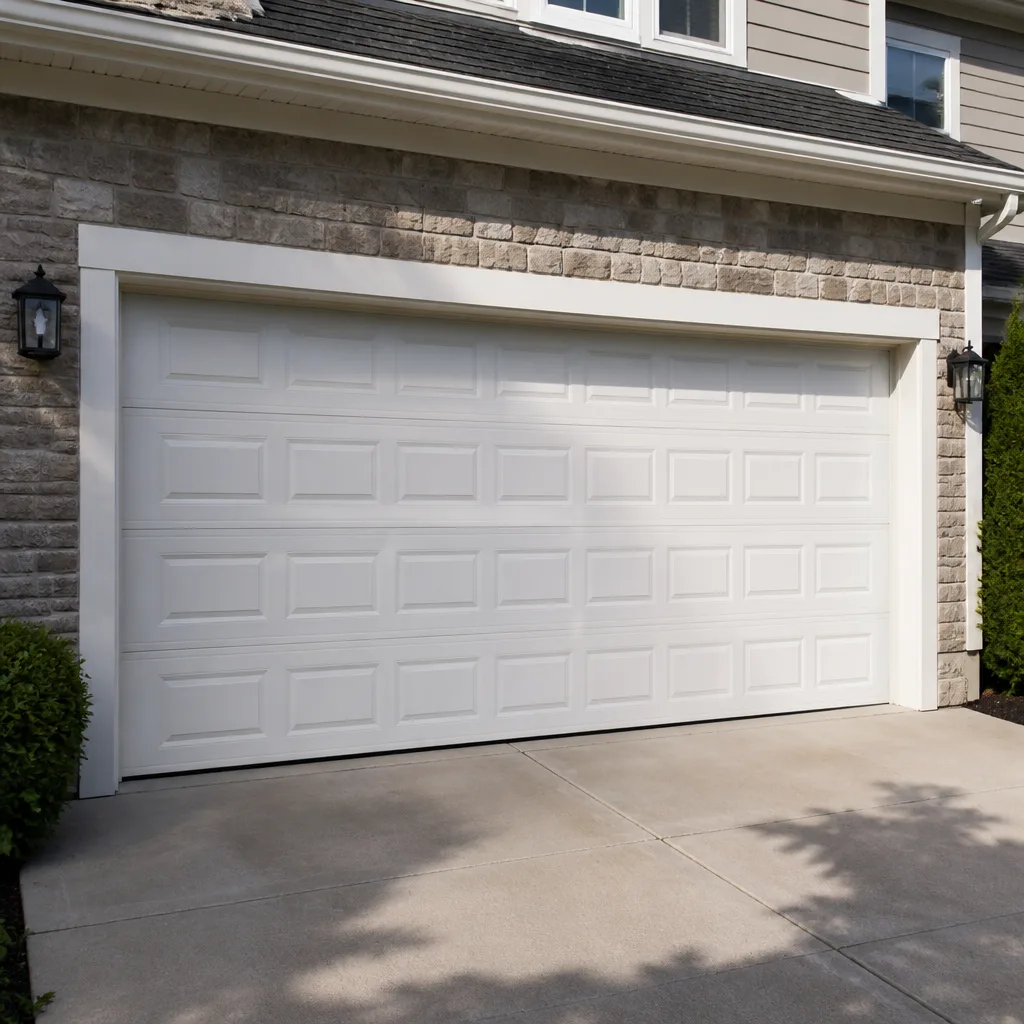 Raised-panel steel
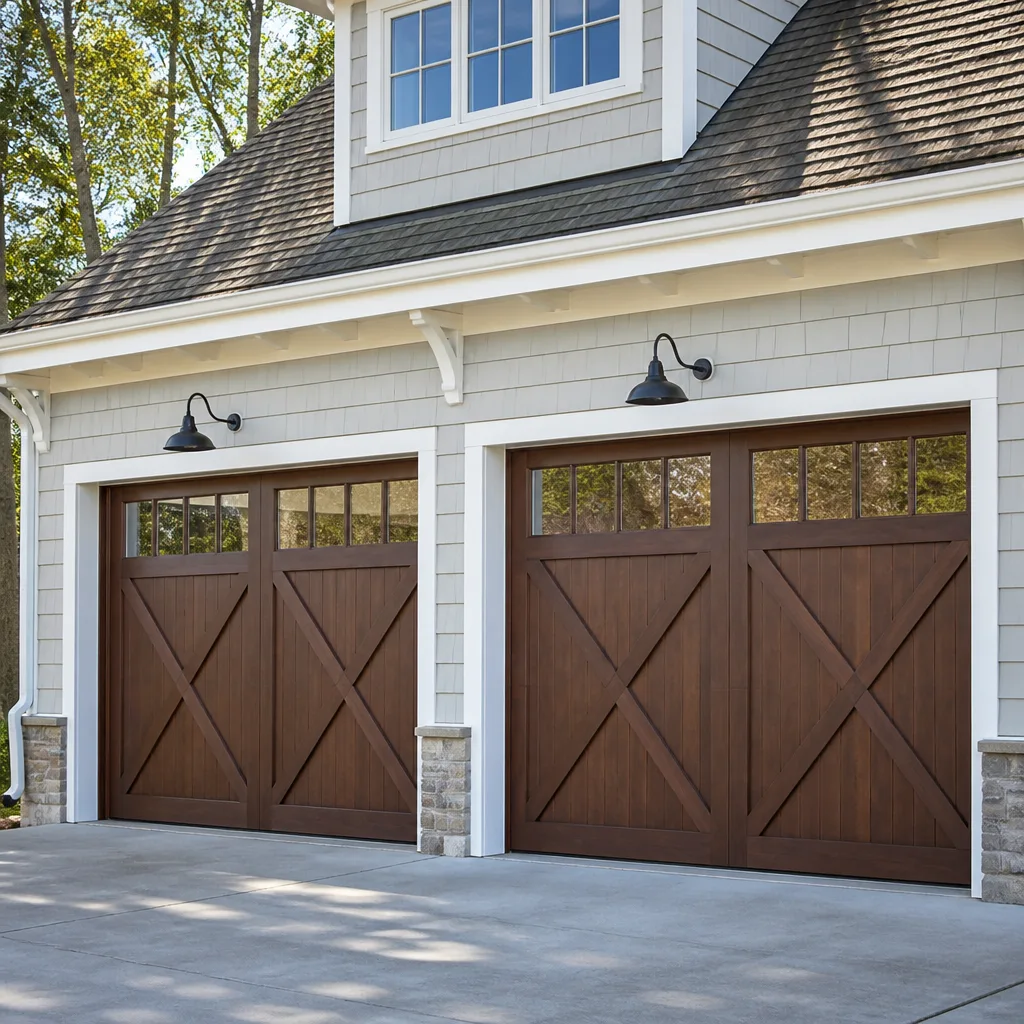 Carriage house
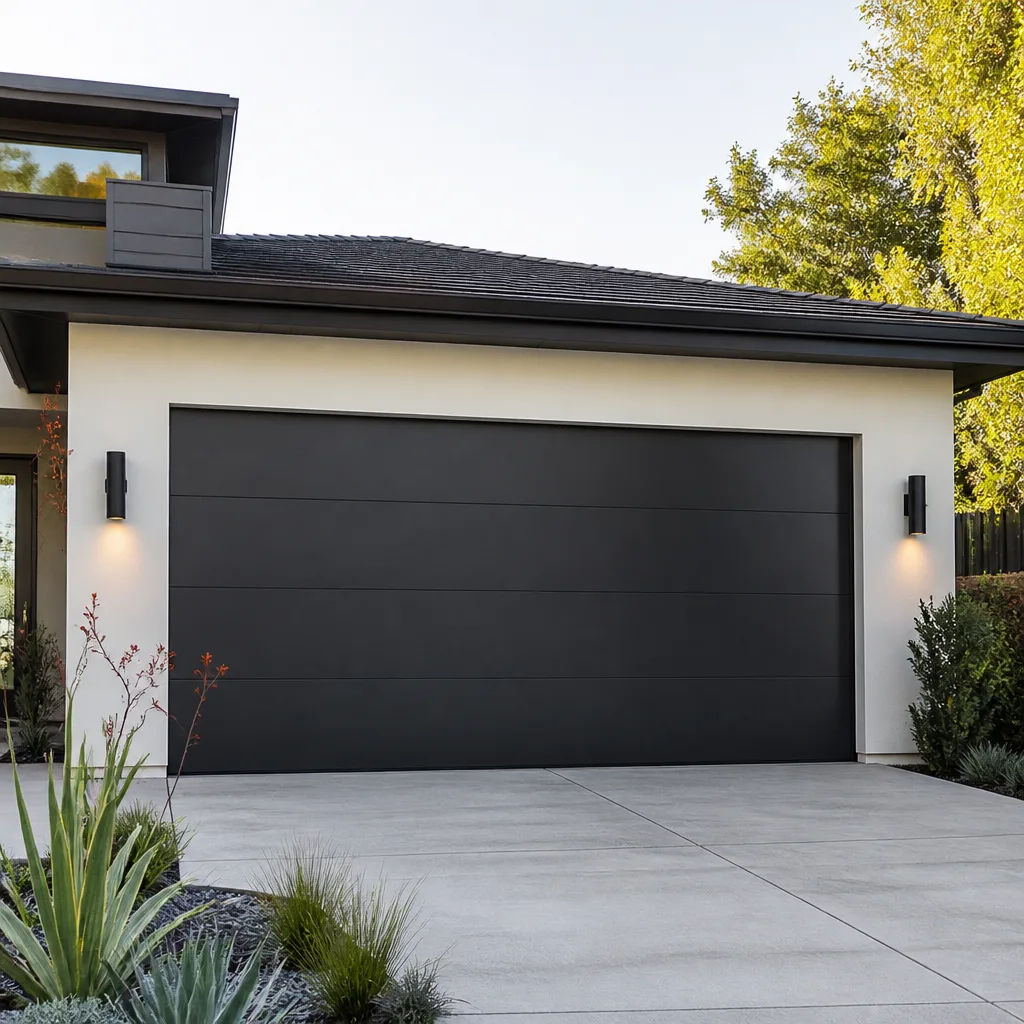 Modern flush
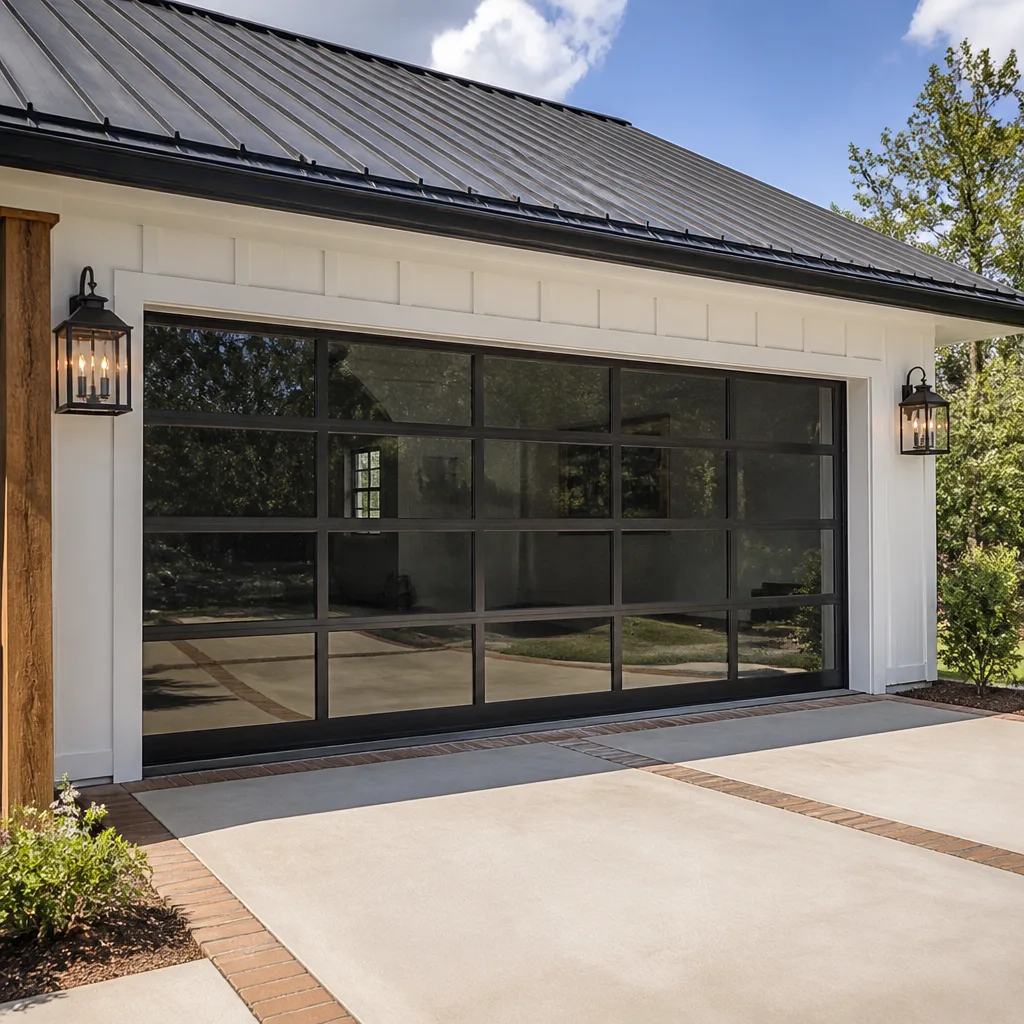 Full-view glass
 LiftMaster openers
 Chamberlain openers
Full 25-point door and opener safety check with every visit - springs, cables, rollers, tracks, and your LiftMaster or Chamberlain opener included
You get a price before we start. It does not change when the pro arrives.
Get your free estimateSeasonal Garage Door Care for Waltham: Year-Round Homeowner’s Guide
Most seasonal garage door guides divide the year into four tidy quarters and tell you to “inspect in spring, prepare in fall.” That calendar advice doesn’t match what actually happens in Waltham. The failures our technicians get called out to here don’t cluster evenly across the year. They bunch into two tight windows: the first hard freeze of late November, when temperatures drop fast enough that metal contracts before a homeowner has thought about their door, and the thaw-refreeze stretch in March, when water gets into places it shouldn’t and then freezes overnight. Everything between those windows is maintenance. This guide walks through what to check, when to check it, and why the timing matters more than the checklist itself.
Quick Answer
The most important seasonal garage door care in Waltham happens in two windows, not four: late November before the first hard freeze, and late February through March during the thaw-refreeze cycle. Pre-freeze prep on the bottom seal, track alignment, and spring tension prevents most cold-weather failures, and thaw-season checks catch track and roller problems before they turn into derailments. A fall inspection in October catches more than one in December, because it leaves time to fix what’s found before the cold locks everything in place.
Styles & brands we work with
- Raised-panel steel
- Carriage house
- Modern flush
- Full-view glass
- LiftMaster openers
- Chamberlain openers
Table of Contents
- Why Waltham’s Garage Door Problems Cluster in Two Windows, Not Four
- Late November: Pre-Freeze Prep Before the First Hard Freeze
- Road Salt, Sand, and the Corrosion Cycle on Waltham Hardware
- The March Thaw-Refreeze Cycle: What Freeze-Contracted Tracks Do
- Summer Humidity and Wood-Composite Doors in Older Waltham Homes
- Why October Is the Right Month for a Fall Inspection
- Year-Round Opener Care Across LiftMaster, Chamberlain, Genie, and Raynor
- The Full Year at a Glance: What to Do Each Month
Why Waltham’s Garage Door Problems Cluster in Two Windows, Not Four
A garage door is a mechanical system with a lot of moving parts made from materials that expand and contract at different rates. Steel panels, aluminum tracks, torsion springs, rubber seals, and plastic rollers all respond to temperature at their own pace. That’s why rapid temperature changes cause more problems than sustained cold or sustained heat. When the temperature holds steady at 20 degrees for a week, everything settles into its cold shape and stays there. When it drops from 45 to 15 in three days, the parts don’t settle together, and that’s where failures happen.
In Waltham, the weather does exactly that twice a year. Late November is when the first sustained freeze typically arrives, often after a stretch of mild weather that lulled everyone into thinking the door was fine. And late February into March is when the daily cycle starts bouncing above and below freezing, melting snowmelt into tracks and hardware during the day and refreezing it overnight. Those two windows account for the lion’s share of seasonal garage door issues we see in Waltham.
That’s not to say nothing happens in summer or fall. Humidity matters, road salt matters, and routine inspections matter. But the priority list a homeowner should actually follow is weighted toward those two transitions:
- Late November: seal condition, track alignment, spring tension
- March: track contraction, roller positioning, derailment risk
- July: humidity and wood-composite expansion on older doors
- October: full inspection, so problems are found before the cold arrives
That’s the calendar this guide is built around. Everything else hangs off it.
Late November: Pre-Freeze Prep Before the First Hard Freeze
The weeks before the first hard freeze are the most valuable time to look at your door. Three components fail first when temperatures drop fast, and each one gives you warning signs if you know what to check.
The bottom seal
The bottom seal is a rubber or vinyl strip that runs along the bottom edge of the door. It’s the part that contacts the floor and seals out weather. Rubber loses flexibility in cold weather, and an old seal that’s already stiff will harden further and start to crack. Once it’s cracked, it stops sealing properly, which lets cold air and moisture in. More importantly, a stiff seal doesn’t compress when the door closes, so the door stops sitting flush against the floor. That can trigger the opener’s safety reversal system, or force the door to work harder to close. Look at the seal for visible cracks, missing chunks, or gaps when the door is down. If it’s more than a few seasons old and looks stiff, it’s worth replacing before the freeze rather than after.
Track alignment
The vertical and horizontal tracks guide the door through its travel. When it’s warm, the metal tracks are at their most expanded. When it’s cold, they contract. If the tracks are already slightly out of alignment, the contraction can push them far enough out that the rollers start binding or riding the edges. Check by running the door up and down and watching whether the rollers stay centered in the tracks. Look for gaps at the seams where vertical meets horizontal track, and listen for grinding or scraping. If the door shudders, hesitates, or the rollers look off-center, the tracks need adjustment before the cold makes it worse.
Spring tension
Torsion springs and extension springs are the parts that counterbalance the door’s weight and keep it from slamming down. They’re under constant tension, and the metal does not like temperature swings. Cold makes the spring steel more brittle, and a spring that’s already tired or unbalanced will often fail during the first cold snap. One of the simplest checks is to raise the door halfway by hand and let go. If it stays put, the springs are balanced. If it drifts down or shoots up, the tension is off. That’s a symptom worth having looked at before the freeze, not after.
Springs are the most dangerous component in your garage door system. Torsion springs are wound under high tension, and a spring that lets go can cause serious injury. If your check turns up spring trouble, get them fixed right by a trained professional rather than attempting anything with the springs yourself. We cover that work as a dedicated service through garage door spring repair.
Road Salt, Sand, and the Corrosion Cycle on Waltham Hardware
Waltham streets get treated heavily through the winter, and that treatment doesn’t stay on the road. Salt spray and salt-laden sand find their way onto the lower third of any garage door facing a driveway, and they get tracked in on the floor where the bottom seal contacts it. Salt is the faster actor by far. It speeds corrosion on the hinges, roller brackets, bottom fixtures, and the steel edge of the bottom panel. Sand is the slower problem. It builds up in the tracks and under the seal, and it acts like a mild abrasive every time the door runs.
The lower third of the door is where almost all of this damage happens, because that’s where the spray lands and where the snow piles up against the door. On a door that faces a driveway on a slope, or one where the plow pushes snow against the base, the exposure is worse.
The right time to deal with salt is before it becomes rust. Bare steel starts pitting fast once salt gets into it, and once rust has a foothold on a hinge or a bottom bracket, replacement is often easier than restoration. The practical approach:
- Rinse the bottom third of the door periodically through the salt season, especially after a storm. Plain water, a hose or a bucket, and a soft brush are enough to dilute the salt before it settles in.
- Sweep out the tracks and under the seal so sand and salt grit don’t accumulate where the door contacts the floor.
- Apply a barrier coat to the painted steel on the lower section and to the exposed metal on hinges and brackets. A thin film of a wipe-on rust inhibitor or a fresh coat of paint on any chipped spots goes a long way. The point is to keep salt water from touching bare metal.
- Check the bottom hinges and brackets for early rust. If rust has started, address it before the spring thaw rather than after, because the thaw is when wet metal sits wet the longest.
- Keep the door painted or sealed. Any scratch or chip in the paint is a place for salt to start working on the steel.
This is one of the most overlooked parts of seasonal care in Waltham, because plenty of homeowners clean their door in spring and never think about it again. The salt does its work through the winter, and it doesn’t wait for spring.
The March Thaw-Refreeze Cycle: What Freeze-Contracted Tracks Do
The late-winter thaw looks like relief after a cold January, and functionally it is. But the way temperatures bounce above and below freezing in March creates a specific mechanical problem for garage doors. The tracks contract in the cold, expand in the warmth, and contract again overnight. Repeated over several weeks, that cycle works the fasteners loose and shifts the track geometry in small increments. The door might still run smoothly for a while, but the rollers start riding closer to the edges of the track, and eventually one pops out.
That derailment is what turns a small problem into a bent panel, a stripped opener gear, or worse. The good news is you can catch it early if you know what to watch for:
- Grinding or squealing as the door runs, especially in the lower half
- A door that runs slower or faster than it used to, or stops short of fully closed
- Visible gaps between the vertical and horizontal track sections
- Rollers that sit closer to the edges of the track on the lower panels
- The door wobbling side to side as it descends, which usually means one side of the track has shifted
- Water pooling or freezing at the base of the track, which happens when snowmelt runs toward the door instead of away
If any of those signs show up in March, don’t wait for the door to derail. The local professionals we connect Waltham homeowners with can reset and align tracks, replace worn rollers, and check the spring tension while they’re at it, all before the first full warm spell. A simple visual check of the tracks and rollers takes a few minutes, and it can save you a much bigger garage door repair in April.
Summer Humidity and Wood-Composite Doors in Older Waltham Homes
Waltham has a substantial stock of older homes, and many of them still have original wood door frames, wood jamb assemblies, or wood-composite garage doors installed decades ago. Those doors behave differently from steel in the summer, and it’s worth understanding why.
Wood takes on moisture from humid air and expands slightly. It gives that moisture back when the air dries, and it contracts. Over a summer, a wood door can swell enough that it binds against the jamb, sticks in the tracks, or stops closing flush. A wood-composite door behaves much the same way. The symptom homeowners notice first is a door that suddenly seems to “catch” on one side, or one that requires a shove to close. On a hot, humid week in July, an older wood-frame door in Waltham can be noticeably stiffer than it was in May.
There’s not much you can do about the humidity itself, but you can protect the door from it:
- Check the seal on the sides and top of the door. A weather seal that’s dried out or pulled away lets humid air straight into the frame, which makes the swelling worse. Reseal any gaps.
- Look for paint or finish failures on wood doors and frames. Exposed wood absorbs moisture far faster than sealed wood. Touching up chipped paint in early summer is a smart move.
- Keep the tracks lubricated with a garage door lubricant, not grease. A properly lubricated track lets a slightly swollen door still run smoothly, and it quiets the binding noise.
- Watch for binding at the same point every time the door runs. If the door catches in the same spot, that tells you which side of the frame is swelling.
- Have the door re-aligned if the binding gets worse through the summer. A slightly off track makes a swollen door much harder to operate.
If you have an older wood-composite door in Waltham and it’s been binding every summer for a few years, it’s worth asking a technician whether the door hardware needs adjusting for the seasonal shift. It’s often a small fix, but it’s one that’s easy to put off until the door refuses to close on the hottest day of the year.
Why October Is the Right Month for a Fall Inspection
Plenty of seasonal checklists tell homeowners to inspect their garage door in “fall.” That’s too vague, and December, when a lot of people actually get around to it, is the wrong month entirely. October is the right month, and the reason is simple: October gives you time. A problem found in October can be fixed in October, before the first hard freeze arrives. A problem found in December is either an emergency call or a wait until the weather breaks.
An October inspection in Waltham should cover:
- The door itself. Look at every panel for dents, cracks, or separation from the frame. Pay attention to the bottom panel, which takes the most punishment.
- The bottom seal. Check for stiffness, cracks, or gaps at the floor. This is the part that needs attention before the freeze.
- The tracks. Run the door up and down and watch for wobble, grinding, or off-center rollers. Tighten any loose fasteners.
- The springs. Look for gaps in the coils, rust, or a spring that’s visibly stretched. Do the halfway test if you’re comfortable with it, and call a professional if anything looks off.
- The rollers. Worn or flat-spotted rollers are the most common source of noise and drag. Check them and replace if needed.
- The opener. Test the safety reverse by putting a small object in the door’s path and confirming the door reverses. Test the photo-eye sensors on each side. Listen for unusual noise.
- The hardware. Check hinges, brackets, and bolts for looseness or rust. Tighten or replace as needed.
- The weather seal around the frame. This is the reseal window before the cold locks everything in place.
If you can get a technician out for the October inspection, they can catch things you can’t see from the ground, particularly the spring condition and the opener’s internal wear. Either way, the point is to find problems while there’s still time to fix them, rather than waiting until the first freeze discovers them for you.
Year-Round Opener Care Across LiftMaster, Chamberlain, Genie, and Raynor
The opener doesn’t care much about the seasons, but the door it drives does, and the two work as a system. When a door binds or runs hard because of cold, salt, or swelling, the opener absorbs the extra load. That’s why opener problems often show up in the months right after the two stress windows, not during them.
We work on the most common residential opener brands Waltham homeowners have in their garages: LiftMaster, Chamberlain, Genie, and Raynor. Each has a distinct drive system and a different set of wear points. A LiftMaster or Chamberlain belt or chain drive has a different failure profile than a Genie screw drive or a Raynor unit. Knowing the brand up front matters because the technician already knows what to look for and doesn’t spend the first visit diagnosing the model.
Year-round opener care comes down to a few habits:
- Test the safety reverse monthly. A small object in the door’s path should make the door reverse. If it doesn’t, that’s a safety issue, not a convenience issue.
- Check the photo-eye sensors. They should be aligned and unobstructed, and the indicator lights should be steady, not flickering.
- Listen for changes in sound. A new rattle, grind, or squeal from the opener usually means something has loosened or worn.
- Lubricate the rail and chain or belt with the appropriate garage door lubricant once or twice a year, not grease.
- If you have a smart opener, like a LiftMaster myQ or a Genie Aladdin Connect unit, check the app for error alerts periodically. These systems log failures that you might not notice otherwise.
When something goes wrong with the opener, it’s worth knowing whether the issue is the opener itself or the door it’s driving. If your opener is straining, it might be because the door is binding, not because the opener is failing. Our garage door opener repair team works on both, so they can tell the difference in a single visit. One call covers the door, the opener, and the springs.
The Full Year at a Glance: What to Do Each Month
This is the practical version, weighted to Waltham’s real weather pattern rather than an even four-season split:
- October: Full inspection. Seals, tracks, springs, rollers, hardware, weather stripping. Fix what you find while there’s time.
- Early November: Pre-freeze prep. Replace stiff bottom seals, tighten loose tracks, address spring tension issues.
- Late November through February: Salt season. Rinse the lower third of the door after storms. Sweep out the tracks and under the seal. Watch for early rust on hinges and brackets. Apply a barrier coat to exposed metal.
- March: Thaw-refreeze checks. Watch for grinding, wobble, and gap growth in the tracks. Have tracks and rollers checked before the door derails.
- April: Post-thaw inspection. Clean out any sand and grit that built up through the winter. Check hardware for corrosion.
- May through July: Humidity watch. On older wood-composite doors, check for binding and reseal any dried weather stripping. Keep tracks lubricated.
- August: Pre-fall prep. A good month to schedule any service that’s been postponed, before fall inspection season books up.
- September: Early fall check. Look at anything the summer may have loosened, especially rollers and hardware.
That’s the whole year in one list. The two high-priority windows are the ones to mark on the calendar first, and everything else is maintenance.
Common Mistakes to Avoid
- Waiting until December to inspect the door. By December, the first hard freeze has already happened, and a problem found then is often an emergency rather than a scheduled repair. October gives you the room to fix things properly.
- Ignoring the bottom seal. The bottom seal is the cheapest component to replace and the first to fail in cold weather. Homeowners often notice it’s old and put it off until the door stops sealing entirely.
- Using grease on the tracks. Garage door tracks need a garage door lubricant, not grease. Grease collects grit and salt, and in Waltham’s salt season that turns the tracks into an abrasive mess.
- Skipping the salt-season rinse. A few minutes with a hose after a storm keeps salt from settling into the lower hinges and the bottom bracket. Skipping it through an entire winter is how rust starts.
- Forgetting the wood frame in summer. If you have an older Waltham home with a wood frame, humidity causes swelling and binding. Homeowners often blame the opener when the real issue is a door that’s expanded slightly against the jamb.
- Trying to adjust a torsion spring yourself. Springs are the most dangerous component in your garage door system. Torsion springs are under high tension and can cause serious injury if they let go. Get them fixed right by a trained professional.
- Assuming the opener is the problem when the door is binding. If the opener is straining, the cause might be a stiff track, a swollen door, or a worn roller. A technician can tell the difference, but the self-diagnosis is usually wrong.
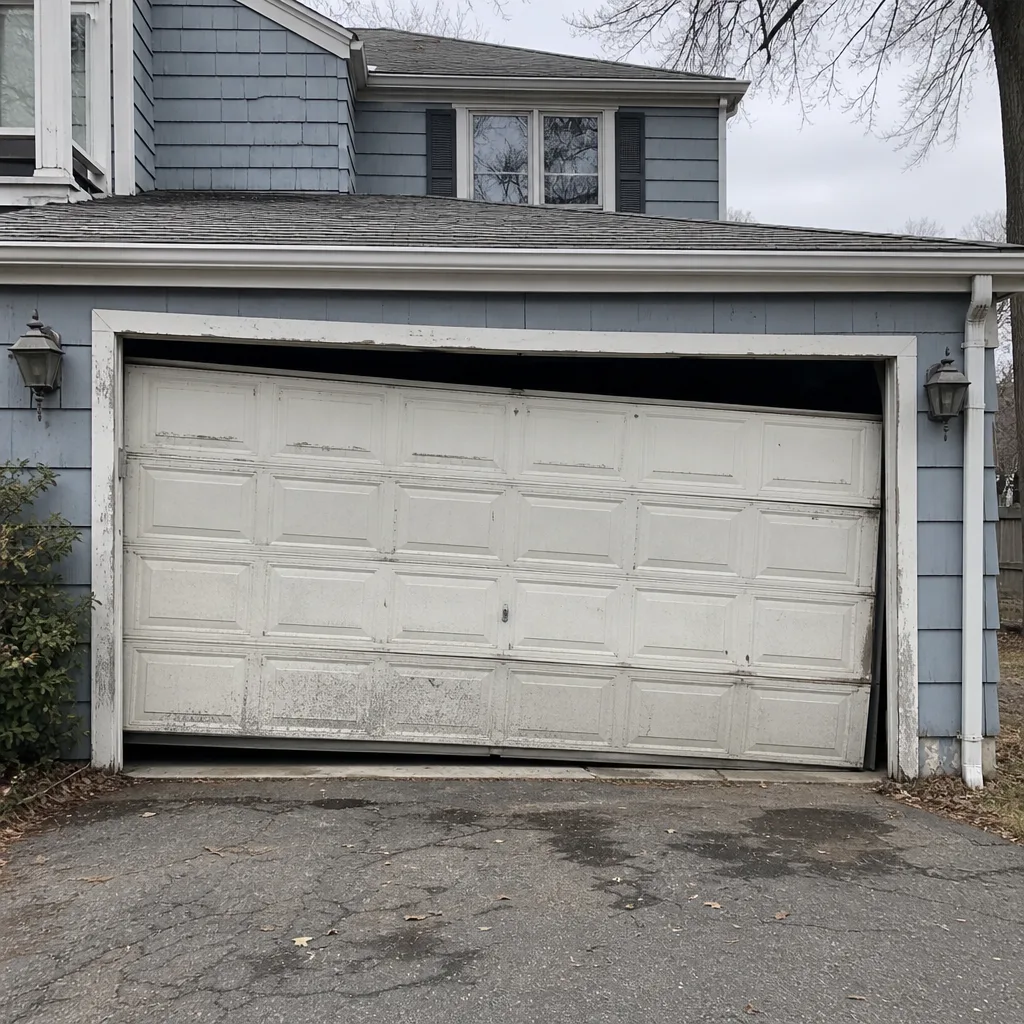
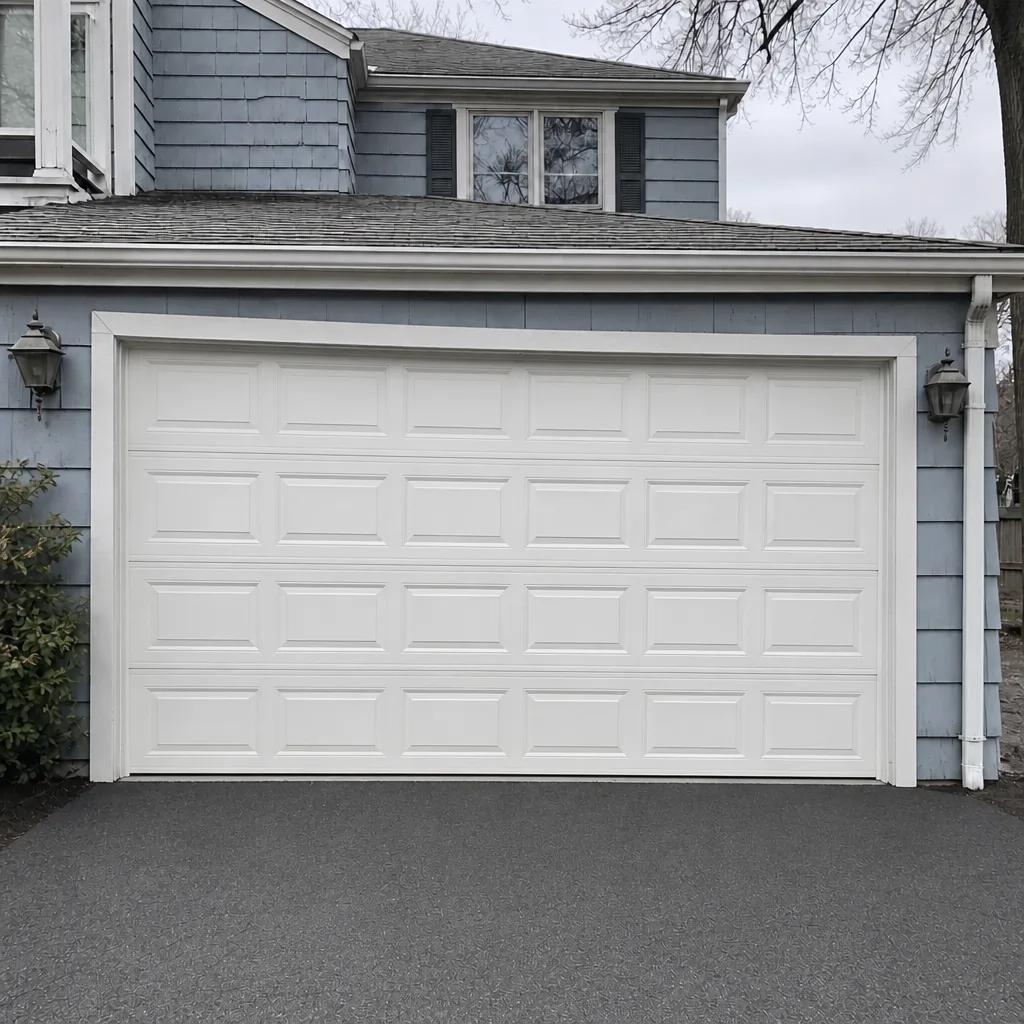
See the difference
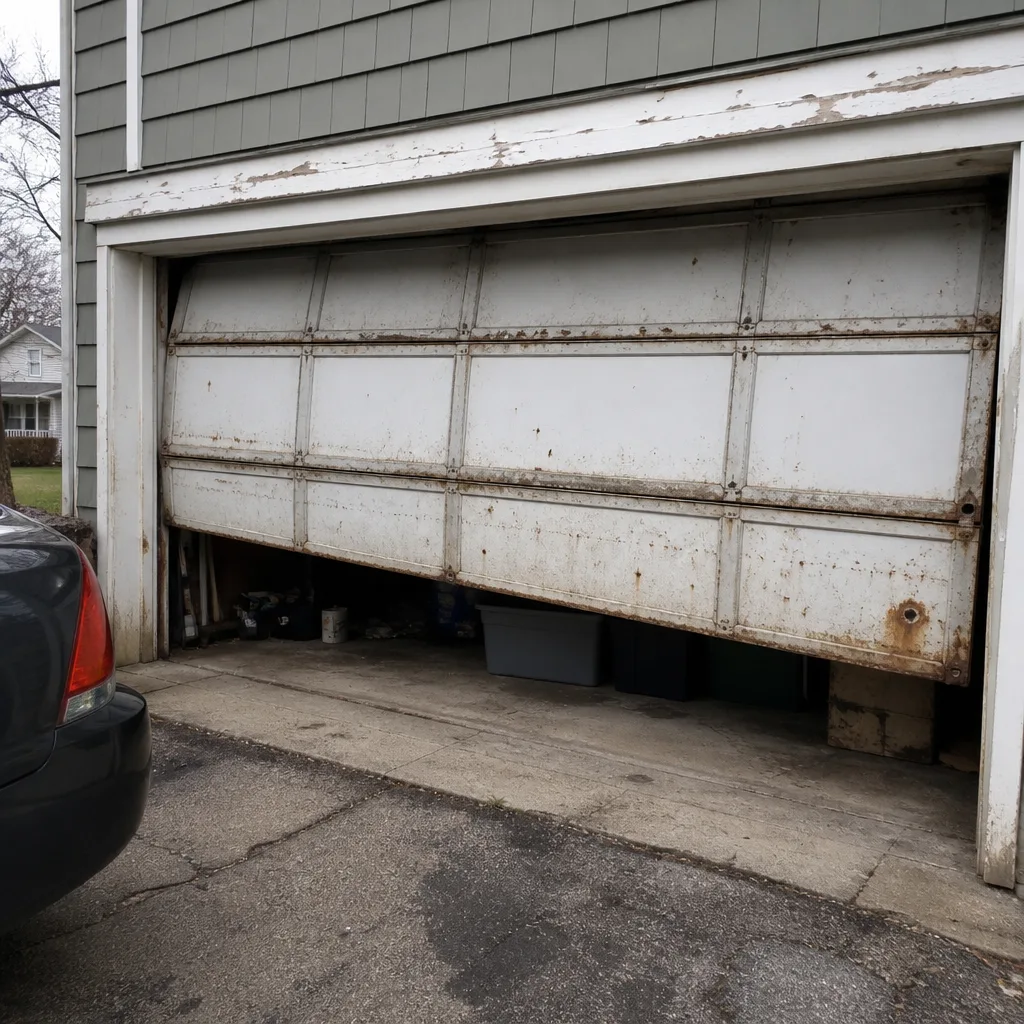 Before
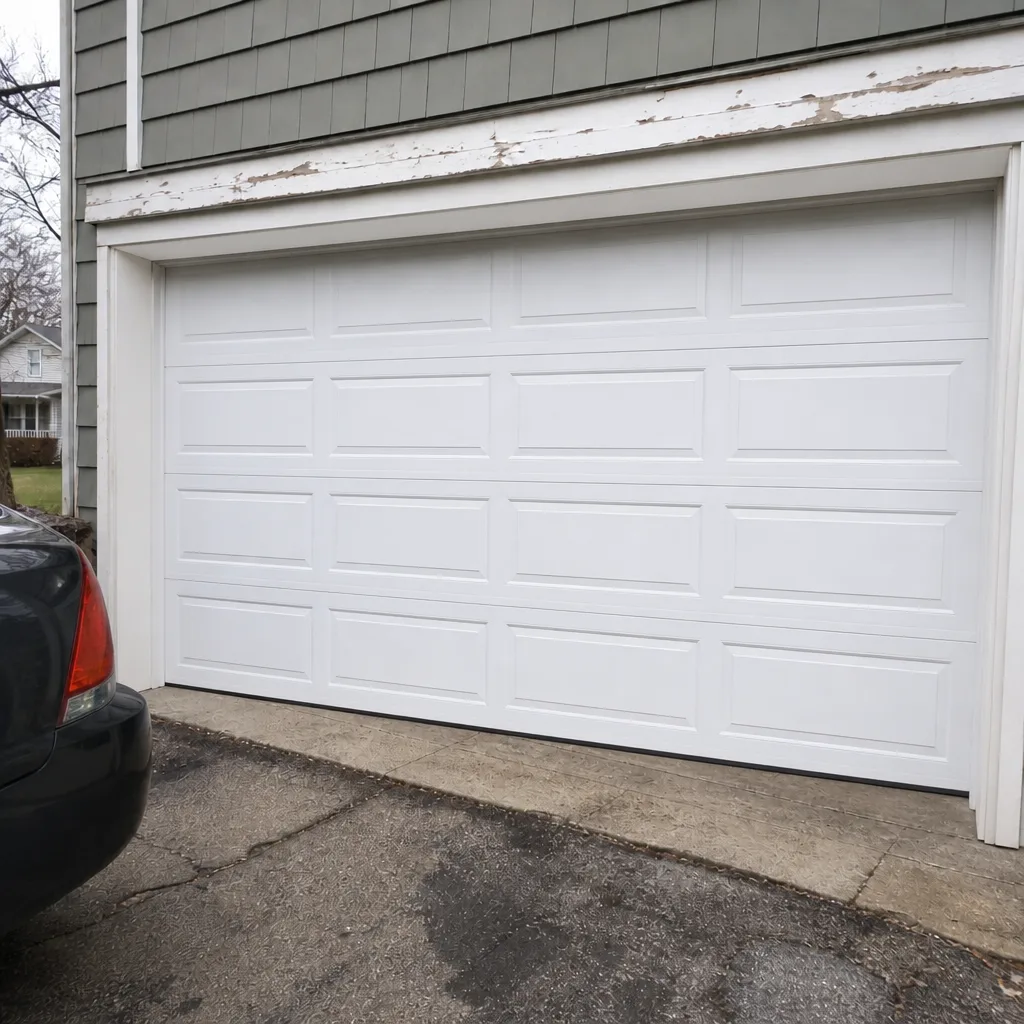 After
 Before
 After
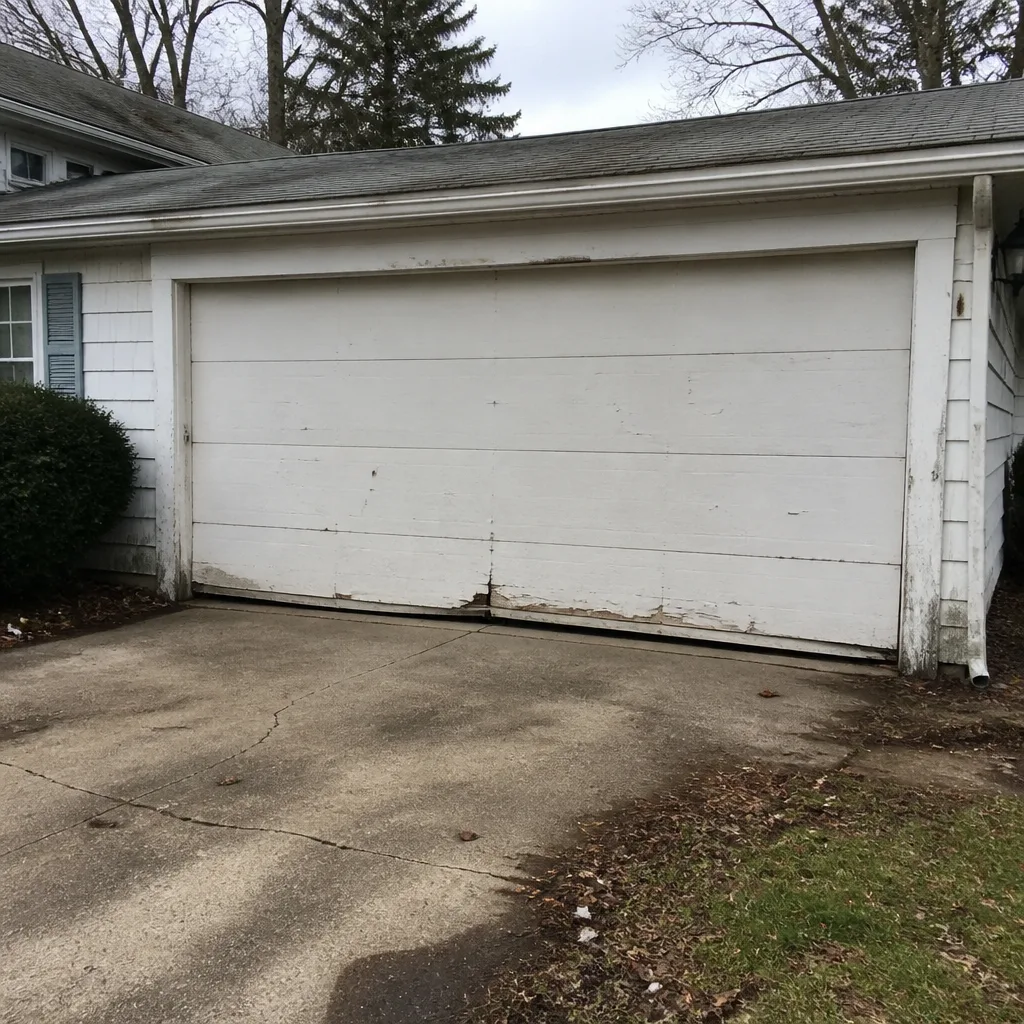 Before
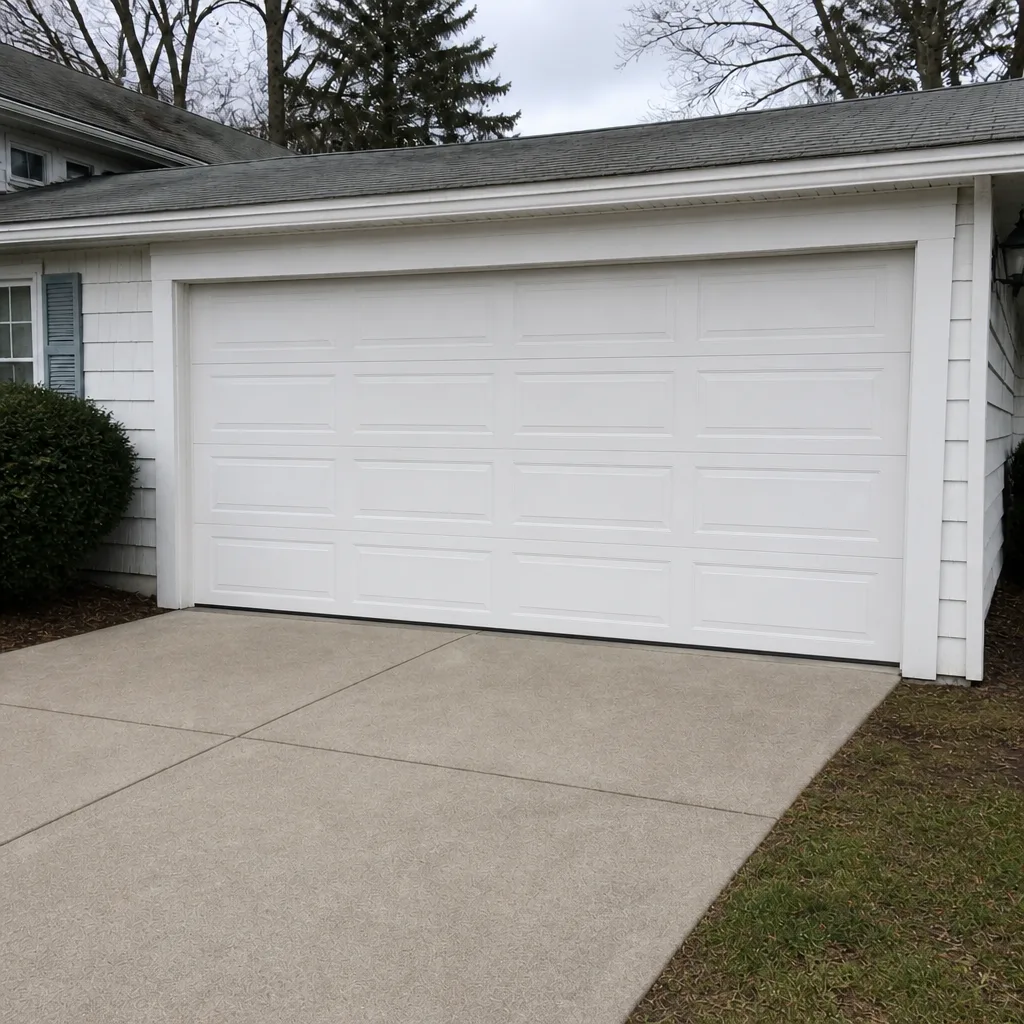 After
When to Call a Professional
Some seasonal checks are homeowner territory: rinsing the door, sweeping the tracks, testing the safety reverse, inspecting the seal. Others are not. Call a professional if the door wobbles or grinds when it runs, if the tracks are visibly out of line, if the door doesn’t balance at the halfway point, if the springs show gaps or rust, or if the opener runs but the door doesn’t. Any of those symptoms in a Waltham door is a sign that something is already stressed, and the fix is usually quicker than letting it turn into a derailment or a spring failure. Waltham Garage Door Repair Co offers free estimates in Waltham. Call (833) 637-5863. We answer 24/7. Fast dispatch from 7am to 7pm, Sunday through Friday.
Our technicians have up to 15 years of experience specifically on garage doors, and the trade focus matters: every technician’s experience is concentrated on doors and openers, not split across other trades. The Waltham Garage Door Repair Co team works on LiftMaster, Chamberlain, Genie, Clopay, Amarr, Wayne Dalton, Craftsman, and Raynor equipment, and their familiarity with those brands means they know your system before they arrive.
Frequently Asked Questions
October is the best month for a full inspection, because it leaves time to fix problems before the first hard freeze arrives in late November. A second check in March catches anything the thaw-refreeze cycle has shifted. Those two inspections cover the windows when most failures happen.
Late November brings the first hard freeze, when temperatures drop fast enough that metal tracks, springs, and seals contract unevenly and stressed parts give way. March brings the thaw-refreeze cycle, when snowmelt gets into tracks and hardware during the day and refreezes overnight, working fasteners loose and shifting the door out of alignment. Those are the two windows where the most failures cluster, far more than mid-winter or mid-summer.
Road salt spray lands on the lower third of the door and speeds up corrosion on hinges, roller brackets, bottom fixtures, and the bottom panel. Sand tracked in with it builds up in the tracks and under the seal and acts like an abrasive. Rinsing the lower third of the door after storms, sweeping out the tracks, and applying a barrier coat to exposed metal keeps the damage in check through the winter.
No. Springs are the most dangerous component in your garage door system. Torsion springs are wound under high tension, and a spring that releases unexpectedly can cause serious injury. Checking for a balance problem is safe, but the repair is a job for a trained professional. If you suspect a spring problem, call (833) 637-5863 for a free estimate.
Wood and wood-composite doors absorb moisture from humid summer air and expand slightly against the frame. That expansion causes binding, sticking, or a door that won’t close flush. On older Waltham homes with original wood frames, the effect is more pronounced. Resealing worn weather stripping and keeping the tracks lubricated helps, and re-aligning the hardware can resolve persistent binding.
You can handle the homeowner-level maintenance safely: rinsing the door, sweeping the tracks, testing the safety reverse, checking the bottom seal, and looking for rust. Anything involving the springs, the track alignment, or the opener’s internal components should be handled by a trained professional. The free estimate makes it easy to get a second opinion on anything you’re unsure about.
The Bottom Line
Waltham garage door care isn’t a four-season checklist. It’s two windows that matter most, late November before the first hard freeze and March during the thaw-refreeze cycle, with an October inspection to catch problems while there’s time to fix them. Pre-freeze prep on the bottom seal, track alignment, and spring tension handles the biggest failures. Salt-season rinses and barrier coats protect the lower hardware. Thaw-season checks catch track problems before they become derailments, and summer humidity needs a look on older wood-composite doors. Do those things, and the door spends most of the year quietly working the way it should.
If something needs fixing, or you’d rather have the seasonal inspection done by someone who works on garage doors every day, call Waltham Garage Door Repair Co for a free estimate. Call (833) 637-5863. We answer 24/7. Fast dispatch from 7am to 7pm, Sunday through Friday. The price is quoted and agreed before any work starts, so you’ll know what the job costs before a technician touches the door.
Written by the team at Waltham Garage Door Repair Co.