
Last updated November 20, 2026
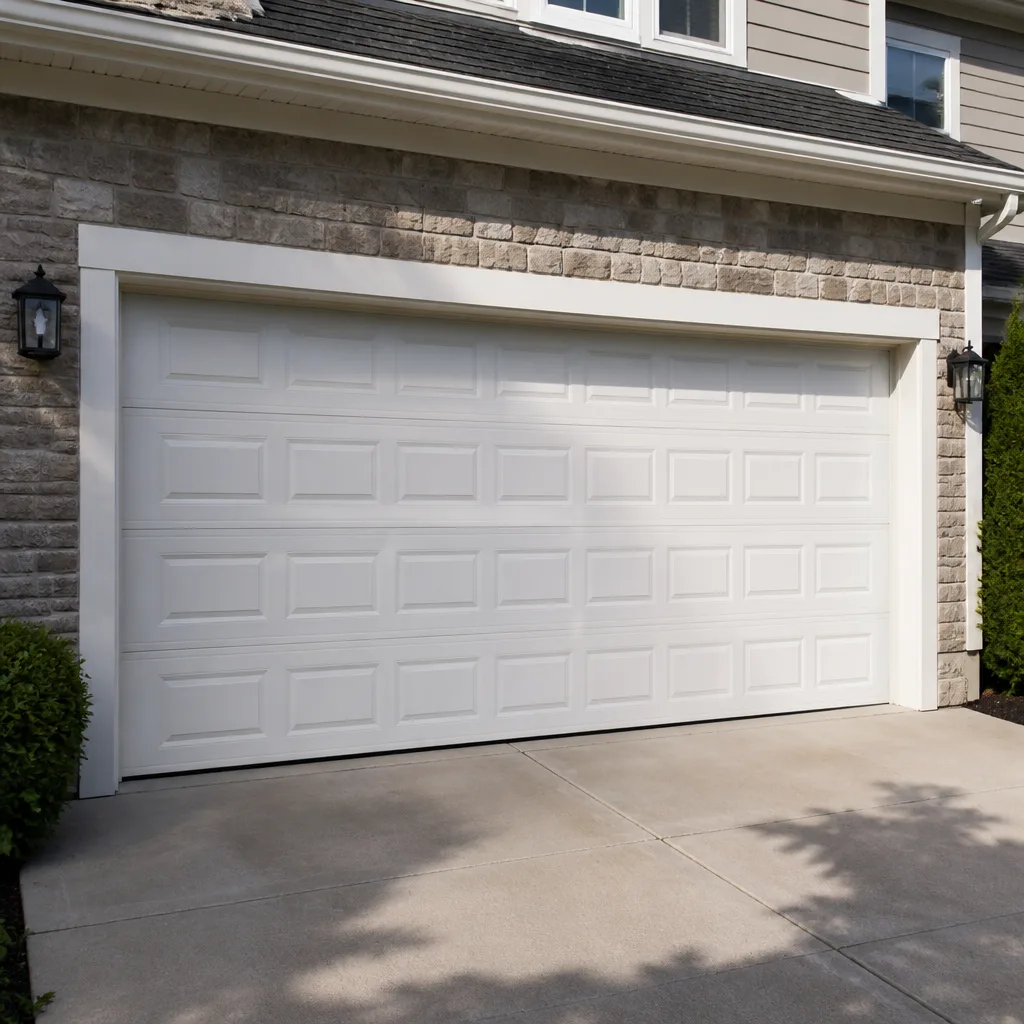 Raised-panel steel
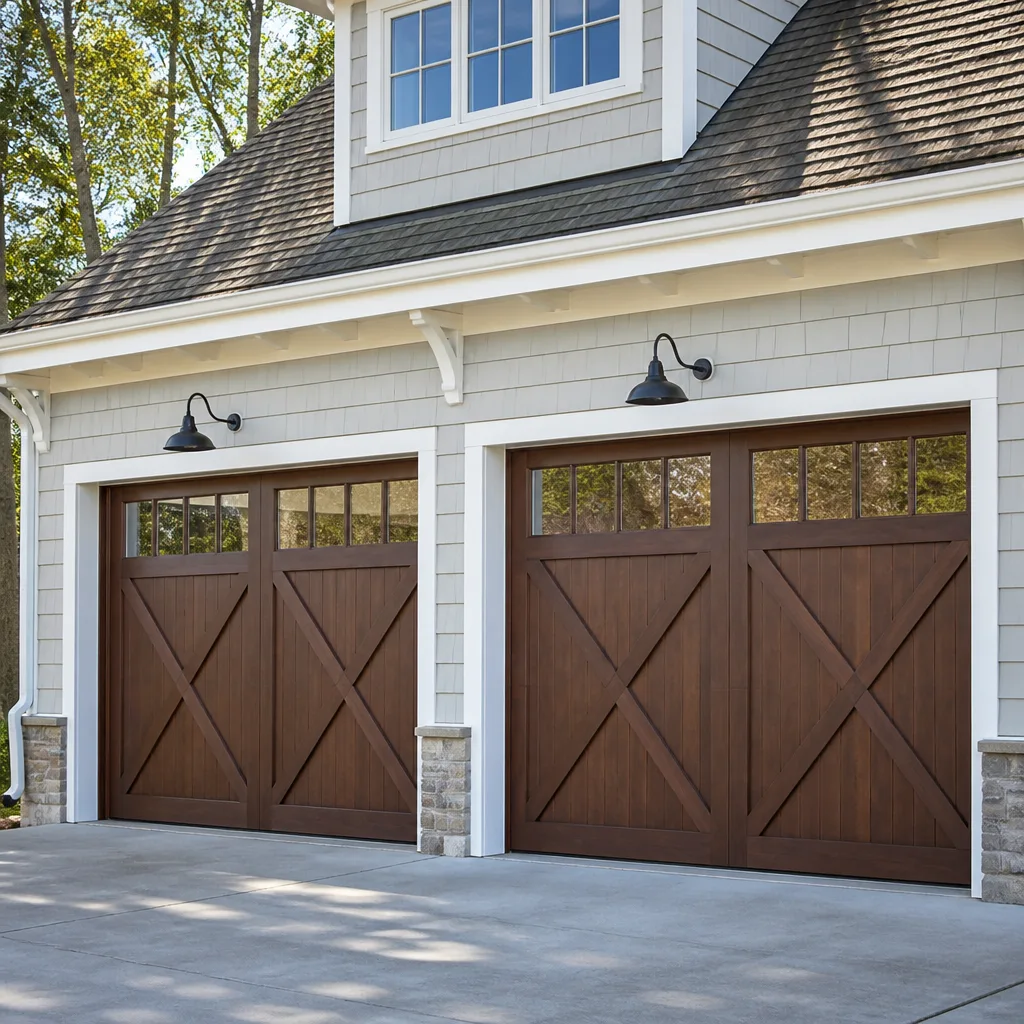 Carriage house
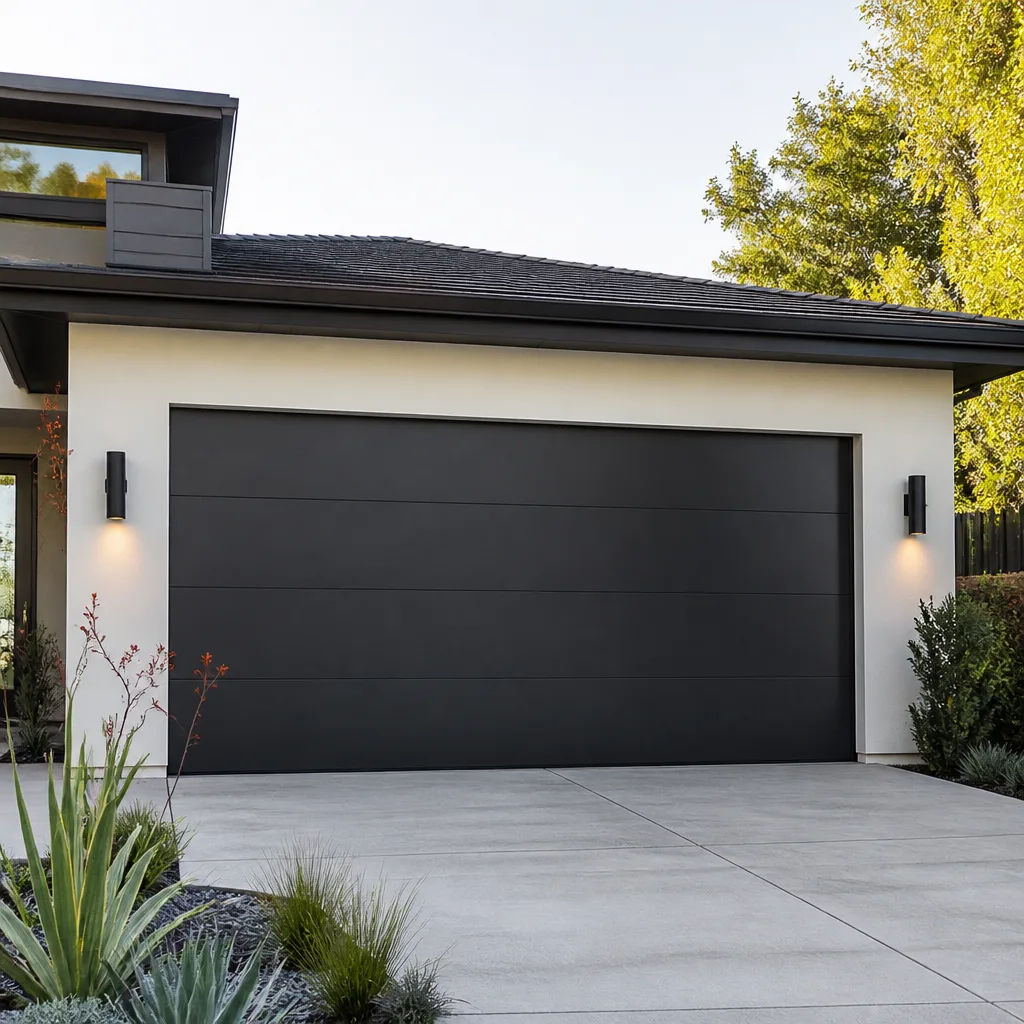 Modern flush
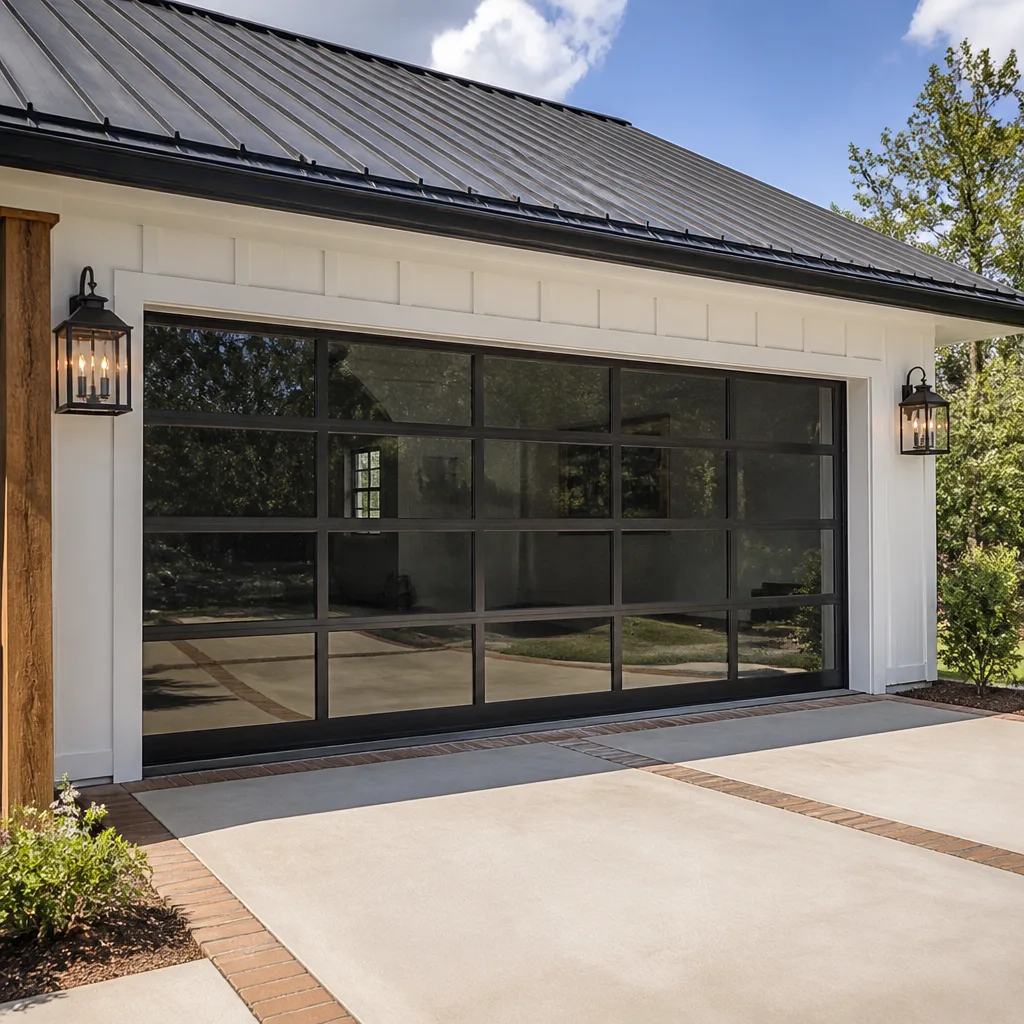 Full-view glass
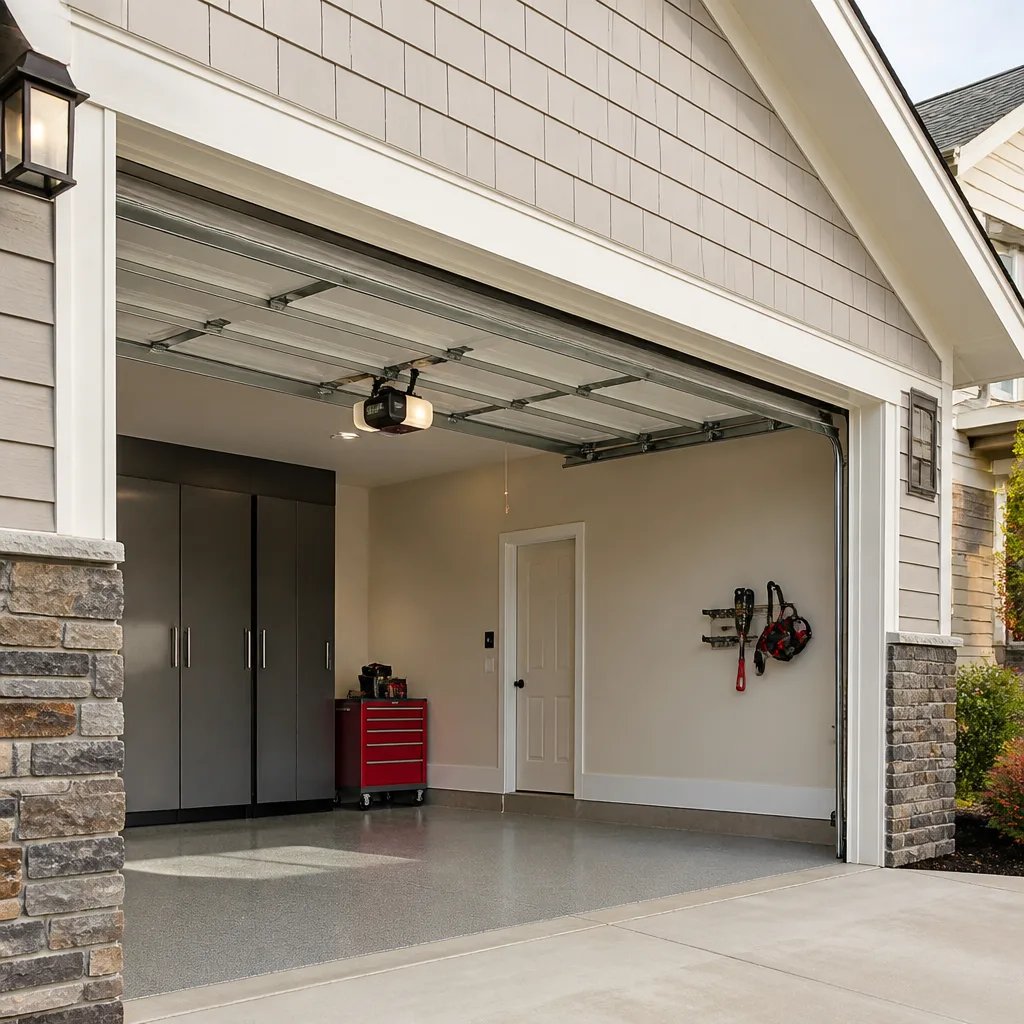 LiftMaster openers
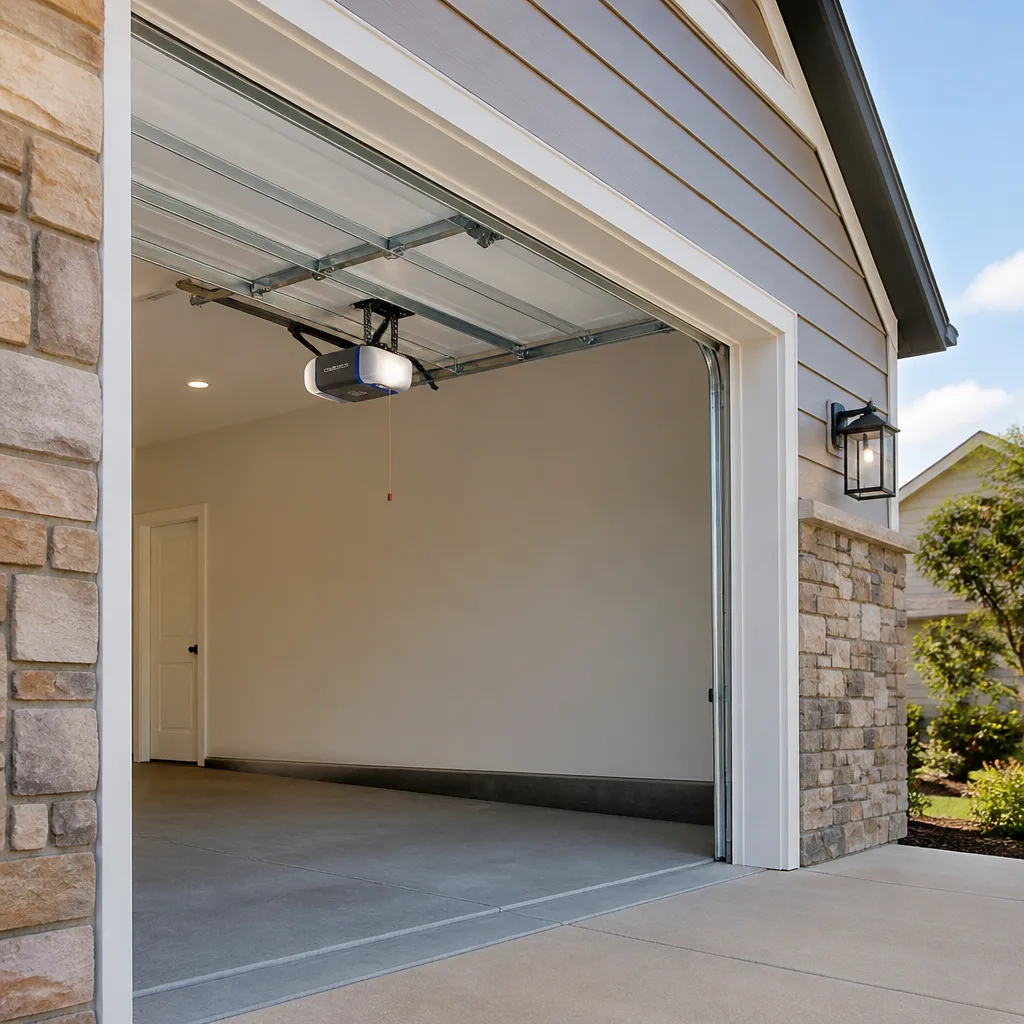 Chamberlain openers
Full 25-point door and opener safety check with every visit - springs, cables, rollers, tracks, and your LiftMaster or Chamberlain opener included
You get a price before we start. It does not change when the pro arrives.
Get your free estimateThe Complete Guide to Garage Doors in Waltham
Most garage door advice is written for a country that doesn’t exist. It assumes a suburban slab with a wide two-car opening and a mild climate. Waltham isn’t that. The city’s housing stock spans pre-war Colonials near the center, mid-century splits, and 1990s subdivisions with poured concrete pads, and the garage door that belongs on one era looks wrong and performs poorly on another. A one-car opening on a 1920s garage and a modern two-car addition are almost different machines. This guide covers what actually matters here: sizing, materials for freeze-thaw, opener selection for cold mornings, style matching by architectural period, and the repair-versus-permit line that national guides skip. You’ll finish knowing what your Waltham garage likely has and what it needs.
Quick Answer
Garage doors in Waltham should be matched to three things: the era of the house, the size and header clearance of the opening, and the freeze-thaw reality of a Greater Boston winter. Older single-car garages in Waltham usually run a standard 8- or 9-foot width with tight headroom, while newer two-car additions use 16-foot openings with more generous clearance for torsion hardware and a heavier opener. Most repairs (springs, openers, panels, rollers) are straightforward fixes on existing equipment. A full replacement is a different project with different code and permit triggers.
Styles & brands we work with
- Raised-panel steel
- Carriage house
- Modern flush
- Full-view glass
- LiftMaster openers
- Chamberlain openers
Table of Contents
- Waltham’s housing stock and what it means for your door
- Sizing and header clearance: single-car vs. two-car
- Materials that survive freeze-thaw cycles
- Choosing an opener for an attached garage in cold months
- Matching door style to Waltham architectural periods
- Permit triggers: replacing vs. repairing
- What brand is on your door and why it matters
- Common mistakes to avoid
- When to call a professional
- Frequently asked questions
Waltham’s housing stock and what it means for your door
Walk through Waltham neighborhoods like Warrendale, Piety Corner, or the streets around Moody Street and you’ll see three distinct garage generations. Each one pushes you toward a different door and hardware setup. Knowing which era your home falls into tells you more about what will work than any national buying guide.
- Pre-war Colonials and capes: Often a detached or attached single-car garage with a low header, a shallow depth, and original or replacement wood doors. The opening is narrow and the clearance is tight. Torsion springs are common on newer replacements, extension springs on older originals.
- Mid-century splits and ranches: Typically a slightly wider single-car or small two-car opening. Steel doors became standard here. Headroom is usually adequate for standard torsion hardware but not always for high-lift setups.
- 1990s subdivisions and newer additions: Two-car openings, poured concrete, engineered headers, and builder-grade steel doors with a modern opener. These are the easiest to service and the most likely to already be LiftMaster or Chamberlain equipped.
In our experience, the older garages cause the most trouble not because the doors are old, but because the clearance wasn’t designed for modern hardware. A torsion spring retrofit on a pre-war garage in Waltham often needs a custom wind, not an off-the-shelf part. And when a homeowner replaces a door without checking the header height, the new door may not fit under the existing tracks. That’s why sizing is the first thing to verify, never the last.
Sizing and header clearance: single-car vs. two-car
Garage door sizing looks simple until you measure. Width is only half the story. Header clearance above the opening, side clearance around the tracks, and backroom clearance for the door panels when open all determine what hardware will fit and what opener will work. A common mistake in Waltham is assuming a two-car door needs a bigger opener, when what it actually needs is the right spring balance and a correctly matched drive system.
Here’s how to think about the two sizes:
- Measure the rough opening, not the finish opening. Width and height in inches, plus the headroom from the top of the opening to the ceiling.
- Check side clearance from the opening edge to the nearest wall. Anything under 4 inches limits track and spring placement, and older garages in Waltham often run tight.
- Check backroom clearance. A standard-lift door needs the door height plus about 15 inches of ceiling depth. High-lift doors need more.
- Confirm the spring type. Torsion springs sit above the opening and need more headroom. Extension springs run along the tracks. Each has different clearance demands.
- Match the opener to the load. If you have a heavy two-car door, a lightweight single-car opener will struggle over time. The opener doesn’t lift the door; the springs do. Get the springs right first.
Single-car openings on older Waltham homes often run 8 or 9 feet wide and 7 feet tall. Two-car openings in newer additions run 16 feet wide and 7 or 8 feet tall. Those numbers aren’t universal, but they cover most of what we work on in the city. Measure before you order anything, and if the numbers don’t match a standard size, you’re looking at a custom door, which is a different project with a different lead time.
Materials that survive freeze-thaw cycles
Greater Boston’s freeze-thaw pattern is harder on garage doors than either pure cold or mild winters. Water gets into seams, freezes, expands, and works openings larger. Then it thaws and drains, and the next cycle starts. That’s why a material that looks great on a showroom floor can fail within a few seasons on a Waltham garage door.
- Steel: The default for a reason. Insulated steel doors resist freeze-thaw well, the finish holds up, and repairs are straightforward when a panel is dented. Steel is what you’ll find on most 1990s and newer homes in Waltham and on many mid-century replacements.
- Wood composite: A good choice for older homes where you want a wood look without the maintenance of real wood. Modern composites handle moisture far better than natural wood, which will swell, rot, and warp with repeated freeze-thaw. Wood composite is the sensible middle path.
- Fiberglass: Light, won’t rust, and takes a knock without denting. The tradeoff is that fiberglass can fatigue and crack where steel would just bend. In cold weather it also becomes more brittle, so check the manufacturer’s temperature range if you’re considering it for a Waltham garage.
- Real wood: Beautiful on the right house, brutal in this climate unless it’s finished and maintained regularly. Pre-war homes near the Waltham common sometimes still have original wood doors. Restoring one is a labor of love, not a low-maintenance choice.
The practical answer for most Waltham homeowners: insulated steel for anything from the mid-century forward, wood composite for a period look on an older home, and fiberglass only if you understand the tradeoffs. Skip anything purely cosmetic that ignores moisture. The hardware and springs matter just as much as the panel material, which is why every repair should start with a proper look at the whole system.
Choosing an opener for an attached garage in cold months
Opener choice in Waltham isn’t just about noise. An attached garage shares a wall with the house, so anything that happens in the garage – cold infiltration, chain noise, and the strain of lifting a heavier door on a cold morning – affects the whole home. Attached garages in this climate need openers that can handle a cold start without complaint.
A few tradeoffs worth knowing:
- Drive type: Belt-drive openers are quieter and better for attached garages where a bedroom sits above or beside the garage. Chain-drive is more durable and cheaper, but noisier. Screw-drive is fast and dependable but the loudest of the three.
- Horsepower: Most residential doors work with a 1/2 HP opener. A heavy insulated two-car door benefits from 3/4 HP. More horsepower than that usually buys nothing on a properly balanced door. If your current opener struggles, the springs are the first thing to check, not the motor.
- Smart features: LiftMaster myQ, Genie Aladdin Connect, and similar systems let you open and monitor the door from a phone. Useful on cold mornings and when you’re away. It’s a real convenience, but the smart module doesn’t fix a mechanical problem.
- Battery backup: Worth considering if losing power in a winter storm would leave a car trapped. The opener’s battery backup keeps the door working when the house is dark.
Whether your opener is an older LiftMaster, a Chamberlain, a Genie, a Craftsman, or a Raynor unit, the operating principle is the same: motor, drive, safety sensors, and the springs doing the real lifting. When one part fails, the whole system shows symptoms. If your door reverses, stops, or grinds in cold weather, that’s a symptom worth diagnosing properly. Our garage door opener repair handles the drive system while a technician checks the springs and tracks at the same time, so you’re not paying for two visits to fix one door.
Matching door style to Waltham architectural periods
Overspending on a garage door is easy to do. The trick isn’t to buy the most expensive door; it’s to buy the door that looks like it belongs on your house. Get that right and a modest steel door looks better than a premium one on the wrong era. Here’s how to match style to the housing stock you actually see in Waltham.
- Colonial and cape (pre-war): A raised-panel, section-style door in a painted finish suits both. Avoid overly modern flush panels here; they fight the trim and window proportions. Wood composite gives you the right look without the maintenance.
- Ranch and split-level (mid-century): A long panel or a subtle raised-panel design works. Keep the color muted and the hardware simple. Carriage-style doors can look staged here, so be cautious with decorative straps and hinges.
- Contemporary and newer subdivisions: Full-view or flush-panel steel and aluminum doors fit. These homes also often come with LiftMaster or Chamberlain openers, so bringing the whole system up to date is straightforward.
- Townhouse and condo garages: Keep it modest. A clean steel panel door aligns with the surrounding units, and style choices here should respect neighbors’ sightlines.
The other rule: don’t over-invest in style on a garage that’s poorly sized or badly serviced. A correctly sized, properly balanced door with a matching opener will outperform a premium door on a bad setup every time. If your door is fine but the hardware is failing, the money belongs in garage door repair, not a style upgrade. Do the repair first, then decide if a cosmetic change is worth the cost.
Permit triggers: replacing vs. repairing
This is where national guides usually stop, and it’s where Waltham homeowners get stuck. Replacing a garage door and repairing one are treated differently by building departments. A repair to existing hardware – springs, openers, tracks, rollers, a damaged panel – usually doesn’t trigger a permit. A full door replacement touches the opening, the header, the tracks, and sometimes the electrical circuit for the opener, and that’s where permits come in.
The general rule in most Massachusetts cities:
- Repairs to existing equipment (springs, opener, tracks, rollers, cables, single-panel swap on the same opening) typically don’t require a permit. These are considered maintenance on an existing assembly.
- Full door replacement can require a building permit, especially if the opening or header is altered or if the new door is significantly heavier. Ask the city’s building department whether your specific job needs one.
- Structural changes to the opening (widening, raising the header, adding a new opening) almost always require a permit and often an inspection.
- Electrical changes to the opener circuit (adding a new outlet in the garage, replacing the opener’s wiring) may require an electrical permit or a licensed electrician, depending on scope.
The permit line isn’t usually about the door itself; it’s about whether you’re changing the structure around it. If you’re replacing like-for-like on the same opening with the same size door, the process is often simpler than a homeowner expects. If you’re changing the size, moving the opener circuit, or altering the header, plan for a permit. The only reliable answer is to call Waltham’s building department and describe the exact job. Don’t rely on a national contractor’s “no permit needed” line for a Waltham project.
What brand is on your door and why it matters
Two garage doors that look identical can have completely different hardware inside. Springs have different dimensions and winds. Openers have different logic boards, remotes, and safety-sensor behavior. When a company already knows your brand, the diagnostic step is shorter and the repair is more likely to be right the first time. That’s why brand familiarity matters on a garage door repair in Waltham.
We’re factory-familiar with 8 of the most widely installed residential door and opener brands: LiftMaster, Chamberlain, Genie, Clopay, Amarr, Wayne Dalton, Craftsman, and Raynor. In practice that means:
- Clopay and Amarr doors: Common on mid-century and newer homes in Waltham. Panel and hardware compatibility is well documented.
- Wayne Dalton doors: Often found on newer subdivisions. Some models use proprietary hardware that’s specific to the model line.
- Craftsman openers: Very common on older homes. Parts are widely available, and the electronics are familiar.
- Raynor doors: Seen on older and mid-century homes in the area, and worth checking the exact model before assuming an off-the-shelf part fits.
If your door or opener is a brand we don’t list, we’ll tell you up front rather than guess. The point isn’t brand loyalty; it’s that a garage door is a mechanical system with brand-specific parts, and knowing the equipment is half of fixing it correctly. Our technicians have up to 15 years of experience across these brands, and every year they spend on garage doors, not on plumbing, HVAC, or other trades.
Common Mistakes to Avoid
- Ignoring spring balance and blaming the opener. If a door feels heavy or the opener strains, the springs are the likelier problem. Replacing a working opener won’t fix an unbalanced door, and it may burn out the new unit.
- Buying a door before measuring the opening. A standard-size door on an older Waltham garage with a tight header can fail to fit under the tracks. Measure rough opening, side clearance, and backroom clearance first.
- Assuming a permit is or isn’t required without asking. Waltham’s building department is the source of truth. A contractor who says “no permit needed” for a widening job is giving you an answer based on a different city’s rules.
- Choosing a door purely on looks. Wood in a freeze-thaw climate needs real maintenance. If you’re not prepared for that, a wood-look composite will look better longer at lower cost.
- Letting a slow opener persist through a cold snap. A door that hesitates in cold weather is telling you something is off. Catch it before it fails entirely and strands a car.
- Replacing one spring without checking the other. Torsion springs come as a matched pair and are designed to be replaced together. Replacing one and leaving the other weakens the balance of the whole system.
- Assuming a generalist knows your brand. A handyman company that covers fifteen trades won’t know the difference between one Clopay model and another, or which Genie opener logic board you’re looking at. That’s the wrong call for a garage door.
When to Call a Professional
Some garage door issues are genuinely dangerous and should never be a DIY project. Springs, cables, and anything under high tension are the top of that list. Contact a trained technician if your spring snaps with a loud bang, the door hangs unevenly from one corner, a cable is frayed or off its drum, the door reverses without obstruction, the opener motor runs but the door doesn’t move, or a panel has separated from the frame after an impact.
Repair on an existing door is usually the fastest path: our garage door spring repair handles torsion and extension spring work, which is the most safety-critical repair on the whole assembly. If the drive system is failing, that’s covered too. And for anything that spans both, one call reaches the whole system.
Waltham Garage Door Repair Co offers free estimates in Waltham, call (833) 637-5863. We answer 24/7. Fast dispatch from 7am to 7pm, Sunday through Friday. The price is set per job by a written estimate, quoted and agreed before any work starts. Our technicians have up to 15 years of experience, and we focus on garage doors only, so the diagnostic step is short.
Frequently Asked Questions
Garage door repair in Waltham is estimated per job, not by a flat rate, so the written estimate you get is the number you’ll pay. Small fixes like a roller or sensor adjustment usually cost far less than spring or opener work because the parts and labor differ. Call (833) 637-5863 for a free estimate, and we’ll tell you what the job needs before you decide.
We offer same-day service on repair calls when the schedule allows, with fast dispatch from 7am to 7pm, Sunday through Friday. We answer 24/7, so a call outside dispatch hours is booked into the next opening. Call (833) 637-5863 to find the next available slot.
No. The written estimate sets the price, and the estimate is quoted and agreed before any work starts. If the technician finds something the initial estimate didn’t cover, you’ll hear about it before anything is done, and you decide how to proceed. No surprise invoices, no silent additions.
Repair is usually the right answer when the door panels and structure are sound but the hardware is failing. Replacement makes sense when the door is dented past repair, the opening needs structural work, or the age of the door is pushing you toward a modern insulated model. A free estimate will give you a real comparison rather than a guess.
It depends on the scope. Like-for-like replacement on the same opening is often simpler than a homeowner expects, but changing the size, altering the header, or adding a new electrical circuit for the opener usually triggers a permit. Ask Waltham’s building department to describe the exact job and confirm the rule before you order materials.
We’re factory-familiar with 8 of the most widely installed residential door and opener brands: LiftMaster, Chamberlain, Genie, Clopay, Amarr, Wayne Dalton, Craftsman, and Raynor. If your door or opener isn’t on that list, call (833) 637-5863 and we’ll tell you honestly whether we can help before you book.
The Bottom Line
Match the door to the house and the hardware to the climate, and most of the guesswork disappears. In Waltham, that means measuring the opening before anything else, favoring insulated steel or wood composite against freeze-thaw, choosing an opener that’s sized to the actual door load, and keeping style tied to your home’s era instead of a showroom photo. Know whether you’re repairing or replacing; that’s the line where the permit question lives. And know your brand, because a specialist who recognizes a LiftMaster, Clopay, or Wayne Dalton system fixes it faster and more often right the first time. Our Waltham Garage Door Repair Co team works on garage doors only, not other trades.
If you’d rather skip the research and get a straight answer on your door, call (833) 637-5863 for a free estimate. We answer 24/7. Fast dispatch from 7am to 7pm, Sunday through Friday. The price is quoted and agreed before any work starts, and our technicians have up to 15 years of experience working on the exact brands sitting in Waltham garages.
Written by the team at Waltham Garage Door Repair Co.
See the difference
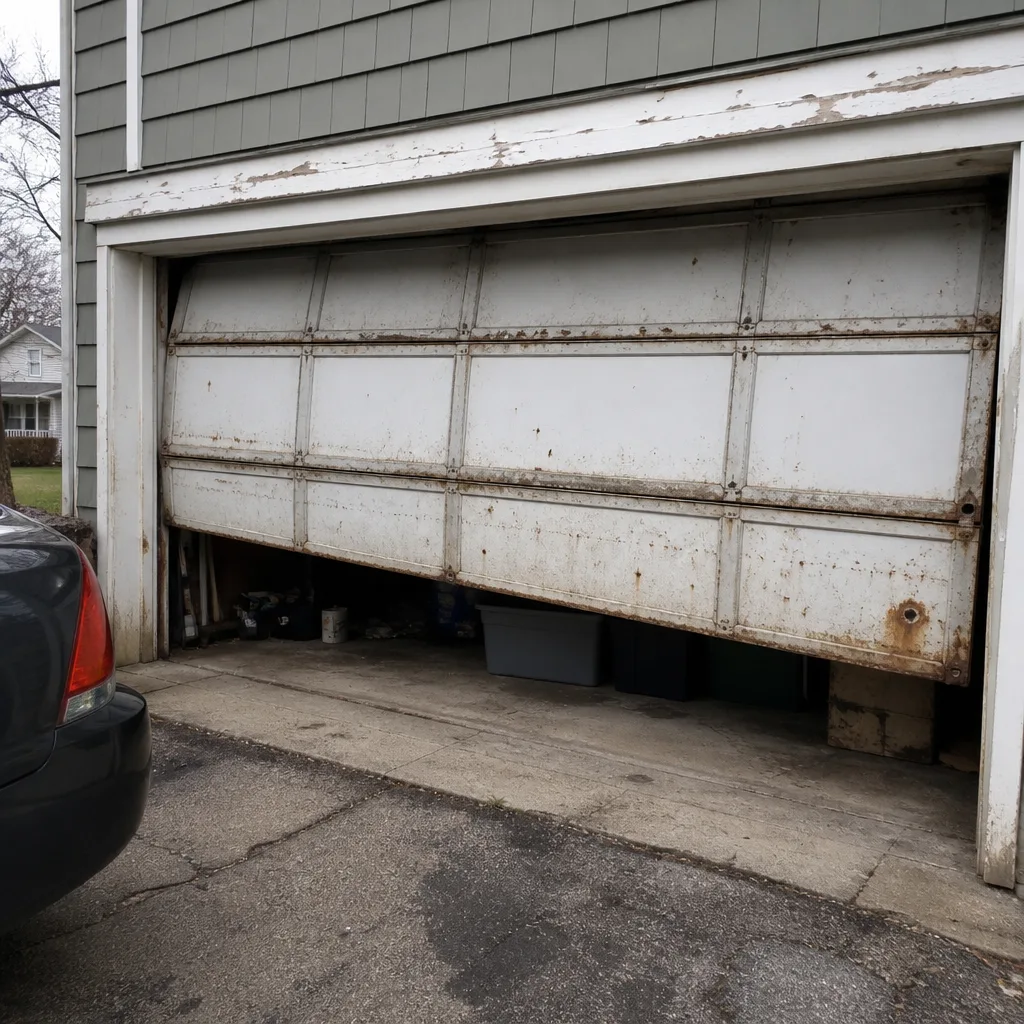 Before
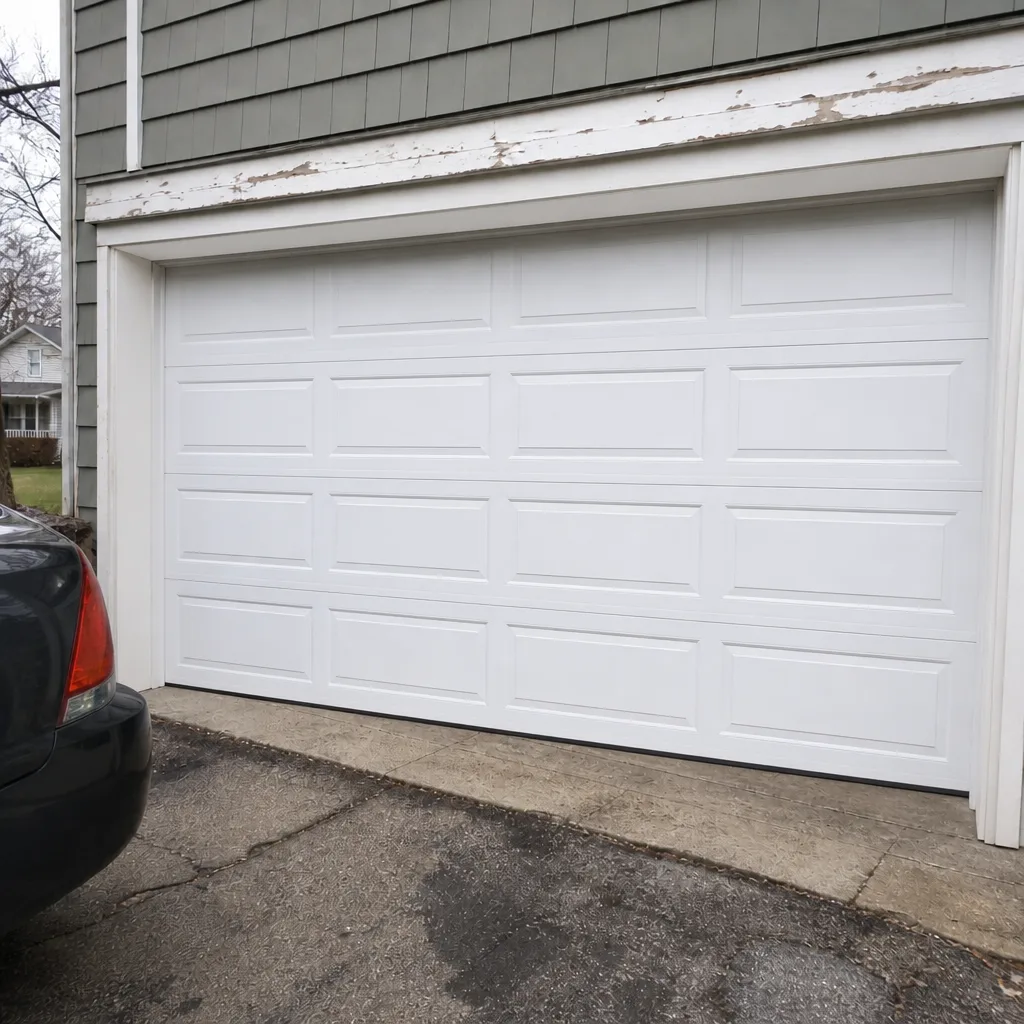 After
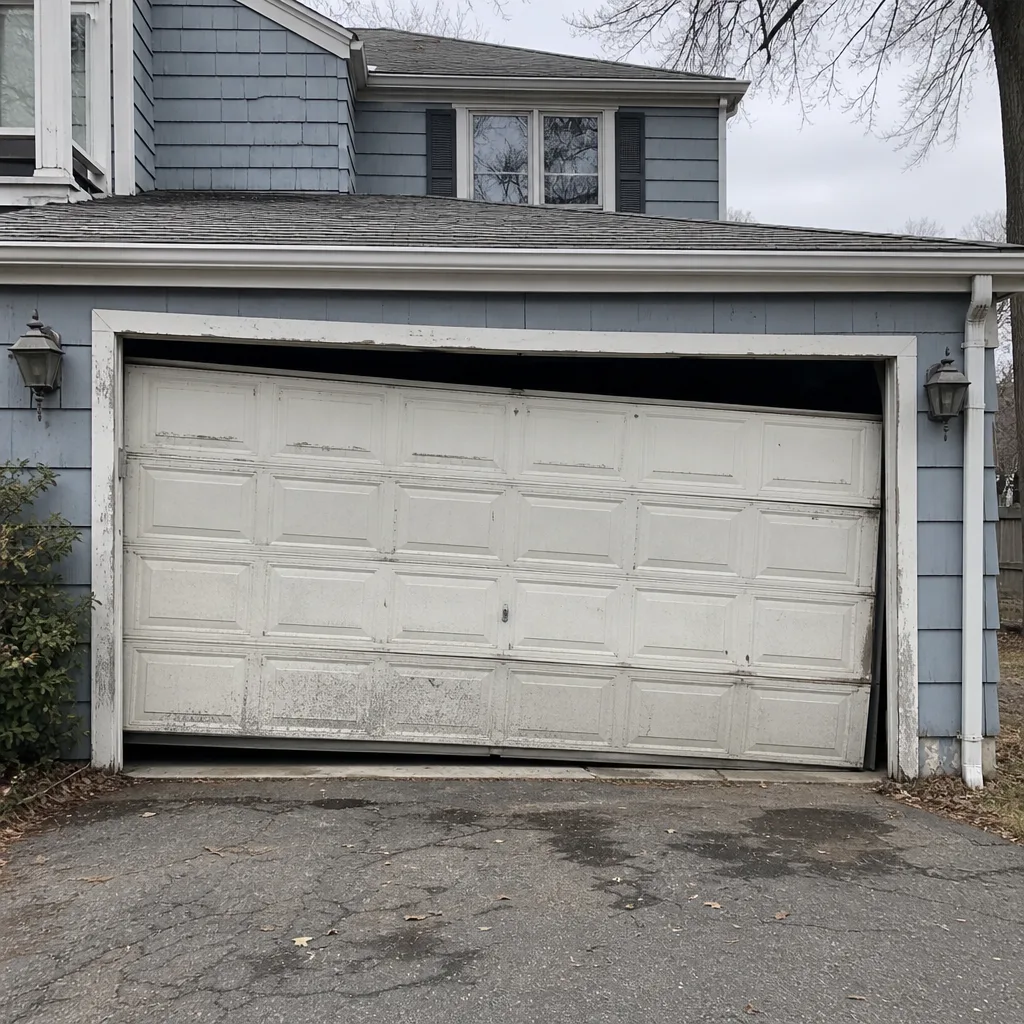 Before
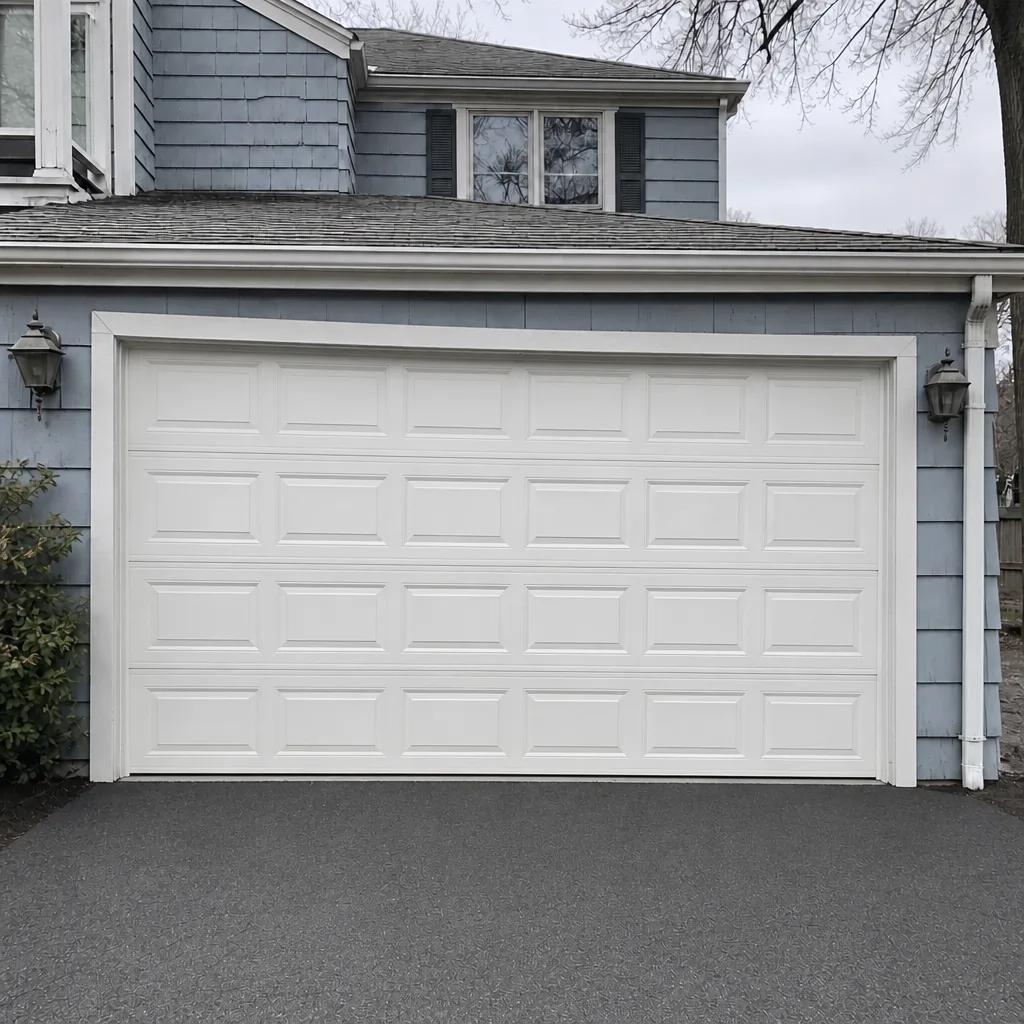 After
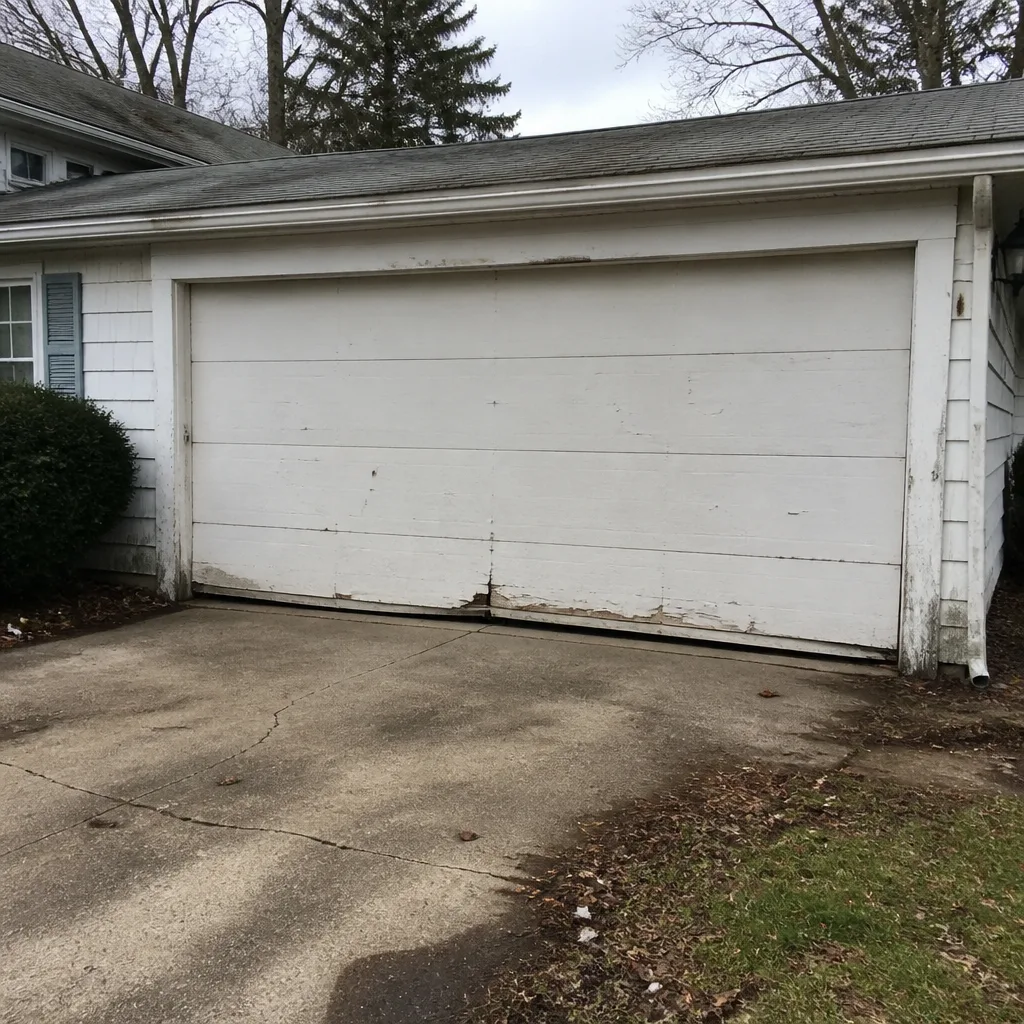 Before
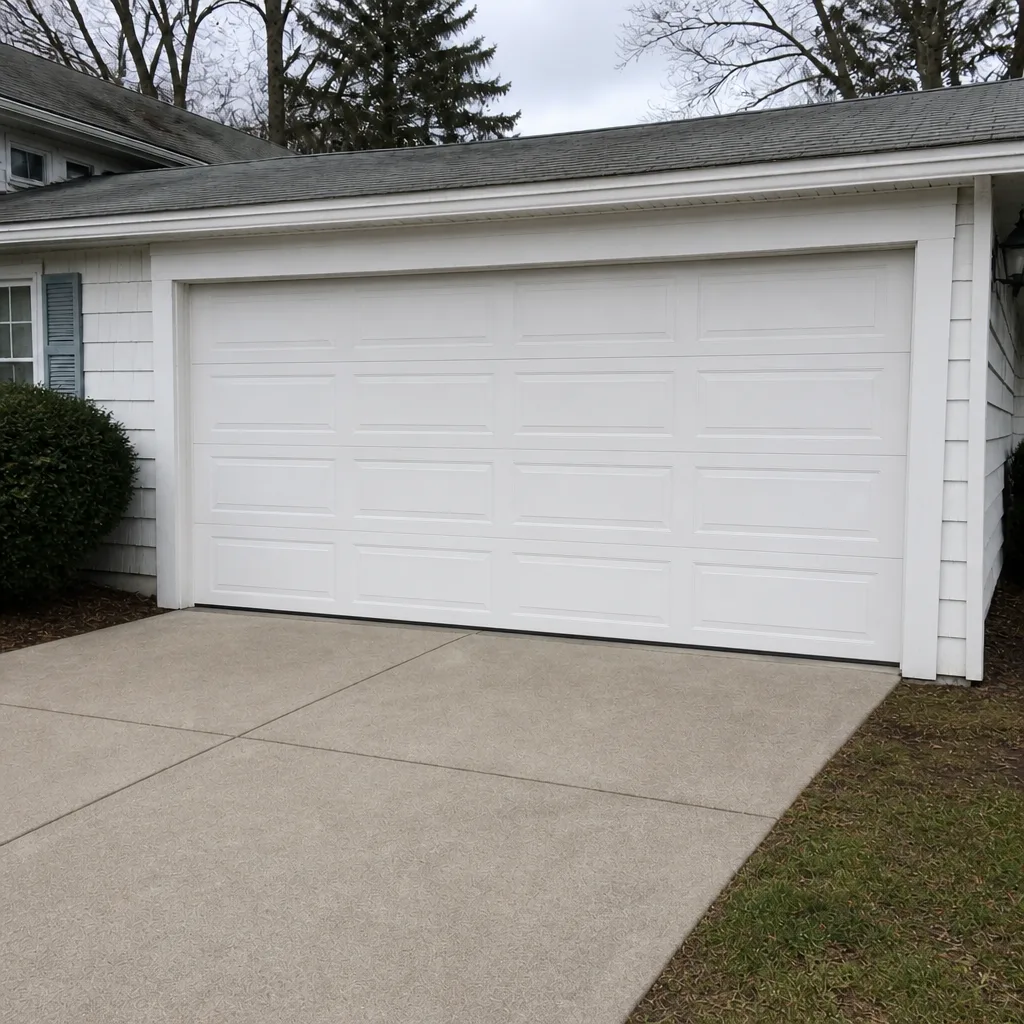 After