
Last updated November 20, 2026
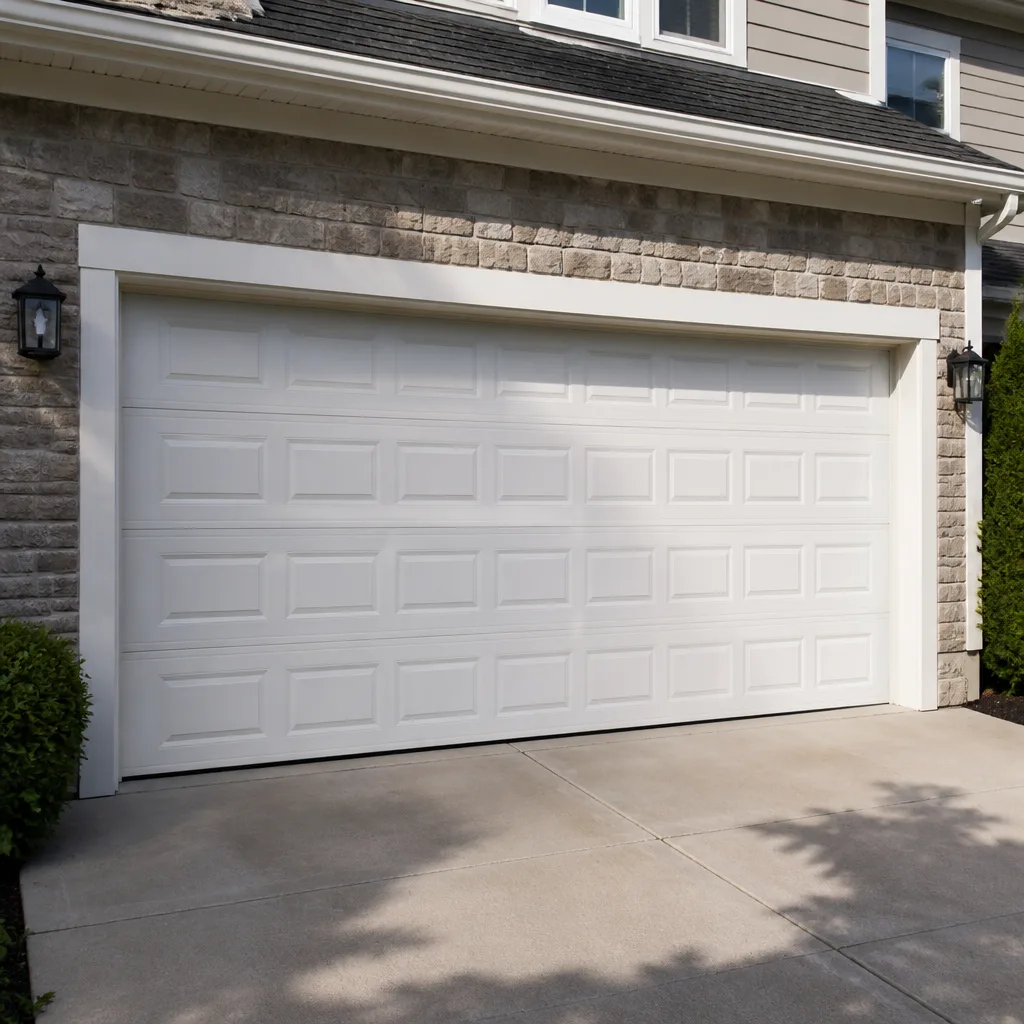 Raised-panel steel
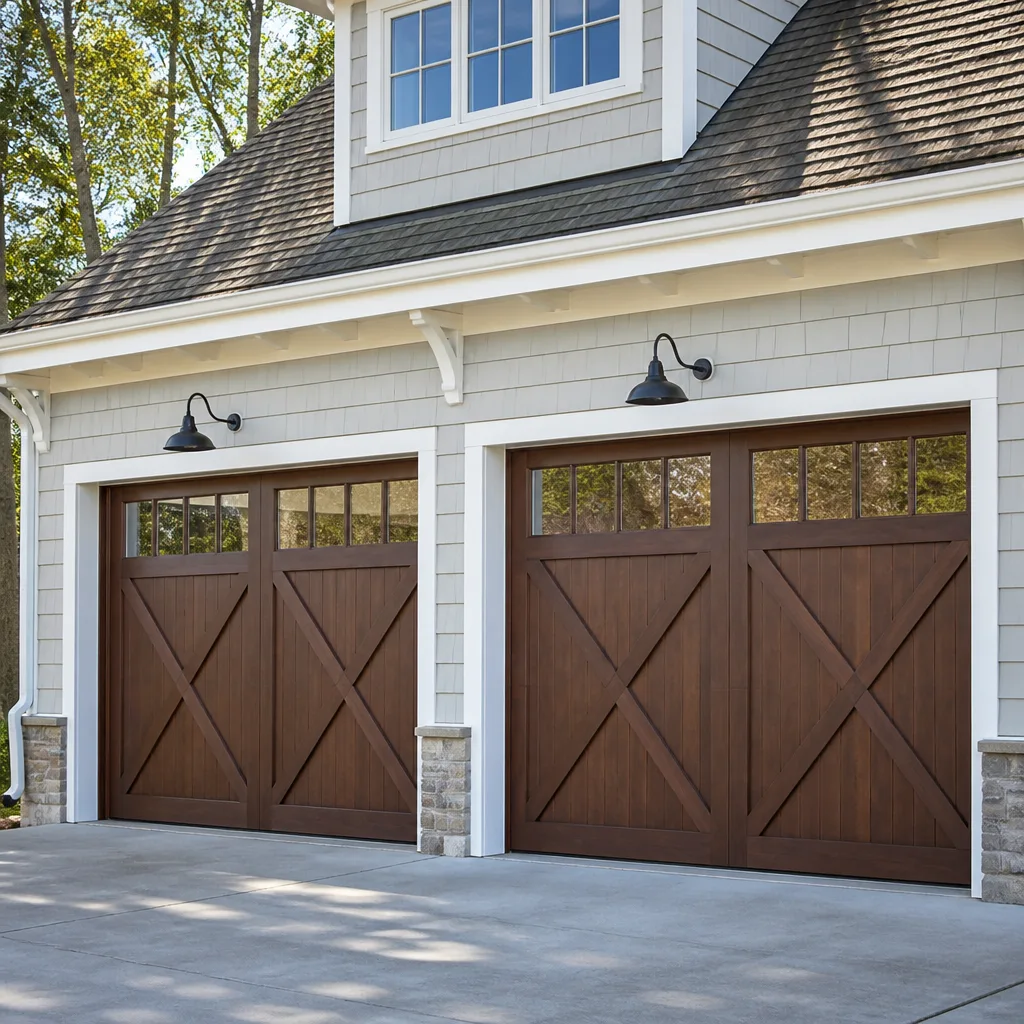 Carriage house
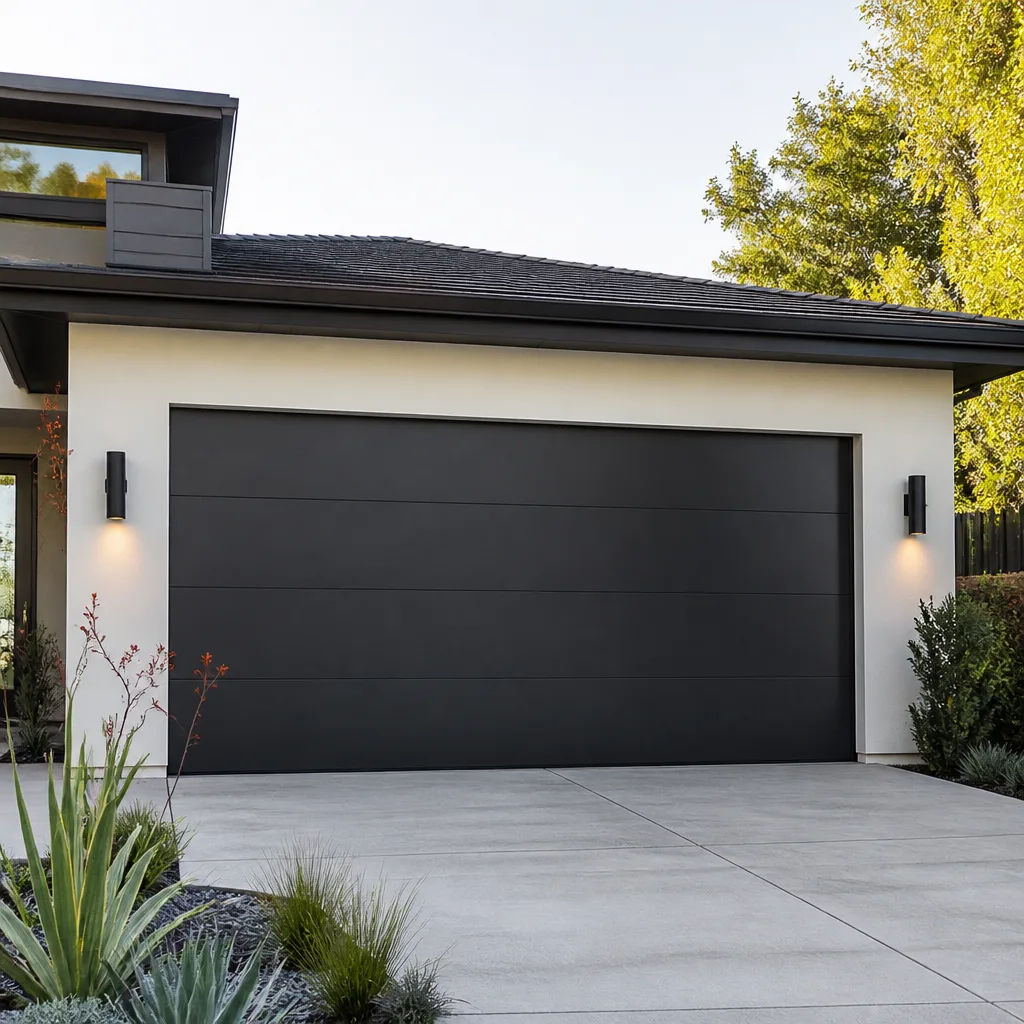 Modern flush
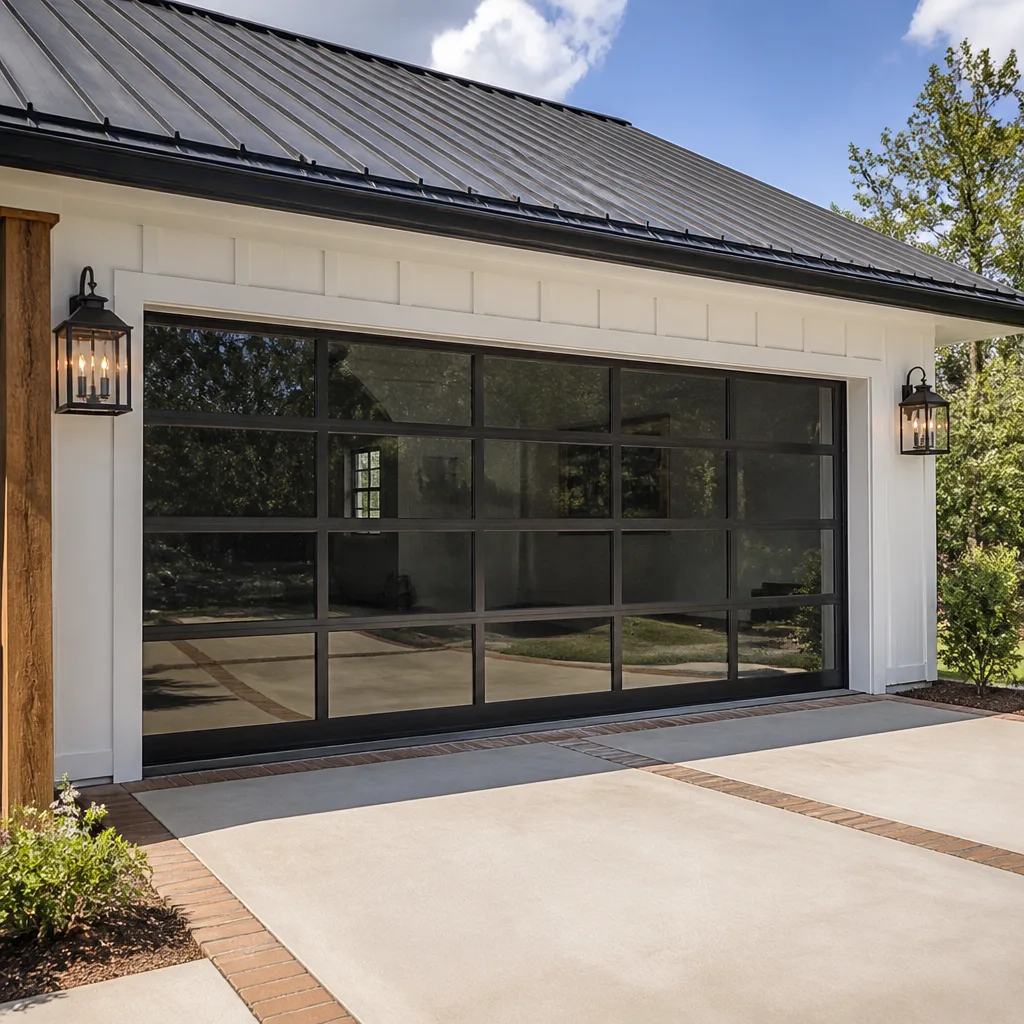 Full-view glass
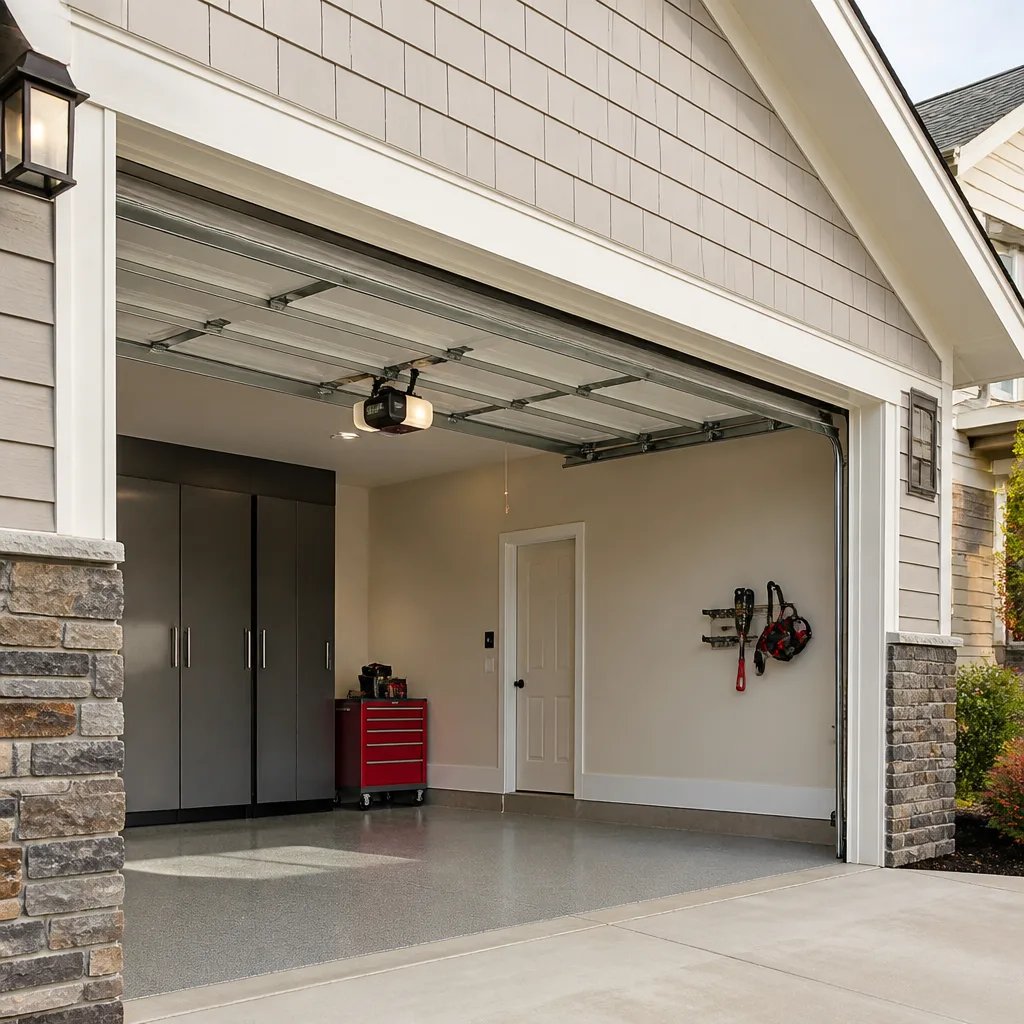 LiftMaster openers
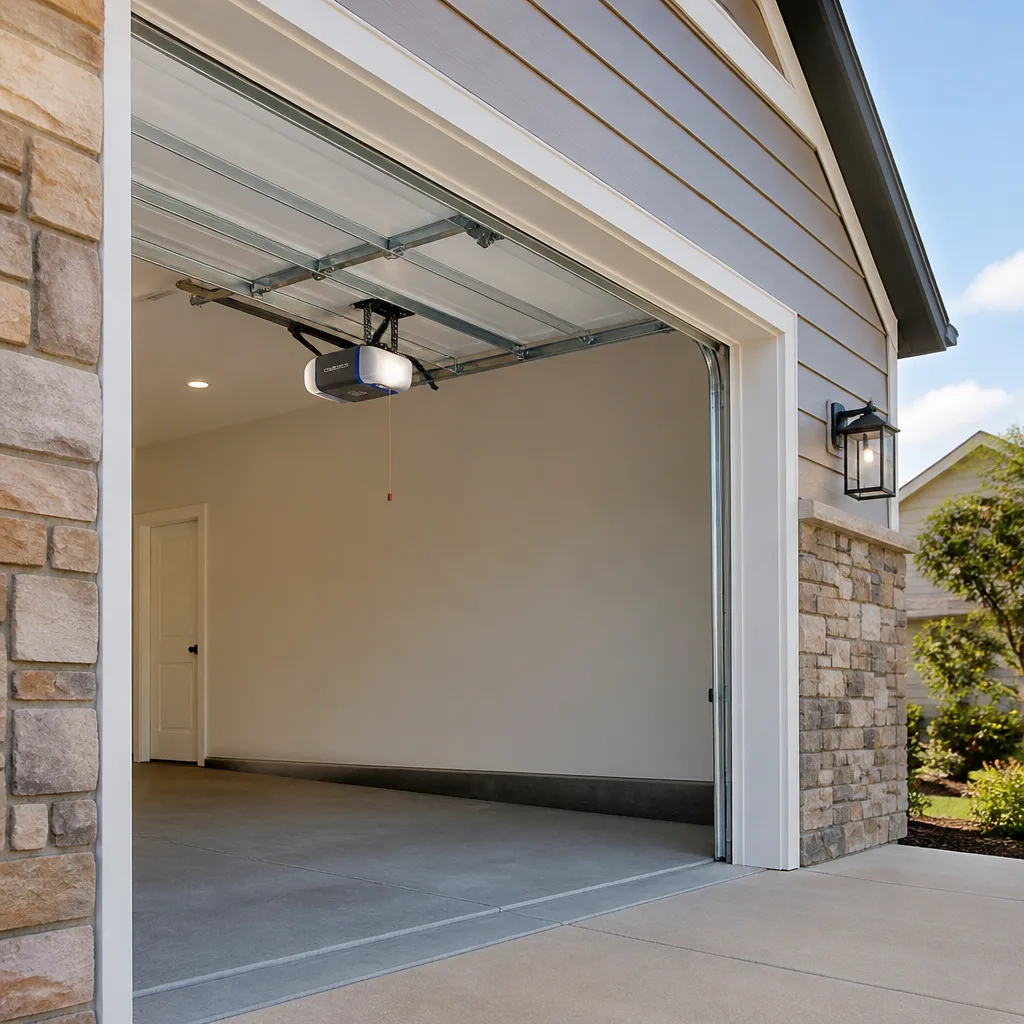 Chamberlain openers
Full 25-point door and opener safety check with every visit - springs, cables, rollers, tracks, and your LiftMaster or Chamberlain opener included
You get a price before we start. It does not change when the pro arrives.
Get your free estimateGarage Door Warning Signs: A Waltham Homeowner’s Reference Guide
The warning sign most Waltham homeowners act on is the loud one: the door hanging half open, the snapped spring, the opener grinding to a halt. By then, the repair is usually bigger than it needed to be. The early-stage signals are quieter and easier to dismiss, and they’re the ones worth learning. This guide is organized by what you hear, what you see, and what you feel through the door – not by component name – so you can place a symptom before it becomes a failure. You’ll learn which sounds point to which parts, which visual clues matter and where to look for them, how to tell opener problems from door problems without touching a single bolt, and what counts as an emergency in Waltham’s cold-weather months.
Quick Answer
Garage door warning signs worth acting on include grinding, clicking, popping, or scraping during travel; a door that reverses before closing; springs that look stretched, gapped, or rusted; frayed cables; and a door that feels heavy or jerky when you lift it by hand. Signs that mean stop using the door today are a snapped spring, a cable off its drum, a door that slams down, or anything that makes the door come off its tracks. Most other signals give you a repair window of days to weeks rather than hours.
Styles & brands we work with
- Raised-panel steel
- Carriage house
- Modern flush
- Full-view glass
- LiftMaster openers
- Chamberlain openers
Table of Contents
- Start by Listening: What Each Sound Is Telling You
- Where to Look: A Room-by-Room Visual Check
- Opener Problem or Door Problem? How to Tell Without Touching Hardware
- What You Can Feel Through the Door
- Cold-Weather False Alarms: Normal vs. Real Damage Below 20°F
- How Fast Should You Act? A Response-Time Guide
- Why Brand Matters When You Finally Call
- Common Mistakes to Avoid
Start by Listening: What Each Sound Is Telling You
Sound is the earliest diagnostic signal a garage door gives you, and it’s free. A door in good order makes a low, even hum from the opener and a soft roll along the tracks. Anything else is information. The trick is matching the sound to the part, because the wrong match sends you down the wrong repair path.
- Grinding during travel. Usually rollers that have worn flat or seized, or a torsion tube with dry, failing bearings. Grinding that gets louder as the door rises points to the rollers and hinges. Grinding from the center above the door points to the torsion assembly.
- Clicking in rhythm with the door’s movement. Often a hinge or roller that’s working loose, or a panel seam flexing. A single click at the start and end of travel can be a limit setting on the opener; clicking throughout the travel is mechanical.
- Popping or a sharp bang from above the door. This is the sound of a torsion spring starting to fail or a cable jumping its drum. If you hear it once and the door still works, stop using the door and have it looked at – the next event is usually the spring letting go completely.
- Scraping along the floor or frame. The bottom seal dragging, or a panel out of square rubbing the jamb. Scraping rarely fixes itself and tends to wear the seal and the paint line.
- A rattle that wasn’t there before. Loose bolts on the hinge plates and the opener rail’s hanging brackets. Left alone, rattles turn into misalignment.
We’ve found that a faint clicking during travel is the most commonly ignored sound of all. It’s also one of the most useful, because it often shows up weeks before a cable or roller fails outright. In Waltham, where plenty of homes have original wood-frame doors from the mid-century building boom, sound is often the only warning you get before hardware gives way.
Where to Look: A Room-by-Room Visual Check
Most visual warnings are in five places, and a walk-around takes two minutes. Look in this order: the top section, the bottom seal, the tracks, the springs, then the opener rail. Here’s what each location is telling you.
The top section and header area
Look at the top panel and the point where the door meets the header. A gap that wasn’t there before, paint cracking along a panel seam, or a top section that bows slightly inward all suggest the door is out of balance or a spring has lost tension. A torsion spring sitting out of level (one side higher than the other) is a strong early sign of fatigue.
The bottom seal
Check the rubber seal along the floor. A seal that’s torn, flattened, or peeling away lets water and cold air under the door, and in Waltham’s winters a wet seal freezes to the concrete and can pull free when the door opens. A seal that fails to touch the floor evenly across its width also means the door is slightly out of level.
The tracks
Run your eyes down each vertical track. Dents, kinks, or a track that’s visibly out of plumb will bind the rollers and cause the door to travel unevenly. Look at the roller brackets too – a bracket that’s bent or a roller that’s riding outside the track edge is often the start of a door coming off its rails.
The springs and cables
Look at springs without touching them. A torsion spring should be an even coil along its whole length; a visible gap in the coil, a rust line, or a spring that has visibly stretched means it’s near the end. Extension springs on older doors should have a safety cable running through them – a missing safety cable is a genuine safety concern and worth addressing before anything else. Cables should sit neatly wound on their drums. A cable that’s frayed, kinked, or has jumped off its drum is a stop-using-it signal.
The opener rail and hanging brackets
A rail that sags, a bracket that’s pulled loose from the ceiling joists, or an opener unit that visibly leans all point to a mounting problem. Left long enough, a sagging rail misaligns the door and burns out the opener’s gears.
Opener Problem or Door Problem? How to Tell Without Touching Hardware
This is the question that saves the most money. If the door is heavy or binds when it moves, the problem is on the door side and a new opener won’t fix it. If the door moves freely but the opener fails to start, stalls, or runs without moving the door, the problem is in the drive system. You can test the first half without tools or touching the door’s spring or cable hardware.
- Pull the manual release cord to disconnect the door from the opener (do this with the door fully closed, and stand clear of the springs).
- With the door disconnected, lift it by hand about waist height.
- A balanced door should rise with moderate, even effort and stay where you leave it when you let go.
- If the door feels heavy, drops on its own, or binds partway up, the problem is on the door side – springs, cables, rollers, or tracks.
- If the door lifts easily and stays put, the door is fine and the fault is in the opener.
Do not attempt to adjust springs, cables, or drums yourself. Those components carry enough stored tension to cause serious injury, and this is exactly where a general handyman shouldn’t be working. A trained garage door technician can tell in a few minutes whether the fault is mechanical or electrical and price the repair accordingly.
Once you know it’s the opener, brand matters. A LiftMaster with myQ, a Genie Aladdin Connect, or a Chamberlain smart opener each has its own logic board quirks and limit-setting behavior. Knowing the make up front saves a trip and gets you the right part. You can read more about that side of the work on our garage door opener repair page.
What You Can Feel Through the Door
Feeling is the sense homeowners trust least and should trust more. Three sensations tell you a lot.
- Uneven effort. If lifting the disconnected door takes more effort on one side than the other, the door is out of balance and one spring is carrying more load. That’s a repair-window sign, not an emergency – but it doesn’t heal.
- Jerking or skipping. A door that moves in small jerks when disconnected usually has a worn roller or a bent track. Left alone, the jerking fatigues the opener’s gears and turns a cheap roller replacement into an opener replacement.
- Friction at the floor. If you can feel the door scrape or catch as it passes the last few inches, the bottom seal or the floor threshold is the culprit. In Waltham’s older homes, an uneven concrete threshold is common and often the source of a door that won’t close cleanly.
These are the signs that most often get pushed off for months, because the door still works. A worn roller set or a balance adjustment is a much smaller job than replacing a stripped opener gear or a failed spring. Catching the “feel” signals early is how a Waltham homeowner keeps a small repair small.
Cold-Weather False Alarms: Normal vs. Real Damage Below 20°F
New England winters produce their own category of warning signs, and half of them are not problems at all. Below about 20°F, a few behaviors are caused by cold, not damage. Knowing which is which stops you from paying for a repair you don’t need – and stops you from ignoring one you do.
Normal in the cold
- A slower, stiffer first open of the day. Cold metal and cold lubricant resist more.
- A slightly louder creak or groan from the springs and hinges.
- The bottom seal sticking to the floor for a second before it lifts, if there’s been condensation or snowmelt.
- An opener that reverses once at the floor on the coldest mornings. Safety systems can be sensitive to a stiff seal.
Signs of real damage in the cold
- A hard bang or snap followed by a door that hangs unevenly or won’t open. A torsion spring failing in cold weather sounds like a gunshot – and the door must stay shut until a technician arrives.
- A cable that’s jumped its drum after a cold day. Cold makes cables stiff, and a stiff cable is more likely to unwind off a drum.
- A door that grinds or binds in the cold and eases up as it warms. That’s a sign of stretched springs or worn rollers, not normal seasonality.
If the door has failed and you’re reading this on a cold Waltham morning, call and we’ll book the first available slot. We answer 24/7, and we dispatch from 7am to 7pm, Sunday through Friday. We’re closed Saturday, so a call on Saturday is booked into Sunday.
How Fast Should You Act? A Response-Time Guide
Not every warning sign is urgent. Sorting them by how fast to act is the single most useful thing you can do with this guide. Use the three tiers below.
Tier 1 – Call today, stop using the door now
- A snapped torsion or extension spring, or a visible gap in a torsion coil.
- A cable off its drum, frayed to the point of breaking, or hanging loose.
- A door that slams shut, falls fast, or will not hold in the open position.
- Any sign the door is coming off its tracks – a roller outside the track, a bent track, the door hanging visibly crooked.
- A loud bang from above the door followed by the door not working.
Any of these mean you should not operate the door, even to open it partially. Leave it closed (or as it is) and call a technician.
Tier 2 – Book this week
- A door that reverses before closing, or that struggles in only one direction.
- Grinding that has become audible from the house, not just the garage.
- Regular clicking throughout travel.
- A door that has begun to drag on one side.
- An opener that short-cycles, hums without moving, or needs repeated presses.
Tier 3 – Address within the month
- A rattle that’s new, or a door that’s slightly louder than it used to be.
- A bottom seal that’s flattened or torn but the door still closes.
- A faint creak or a door that feels very slightly uneven.
- An opener that runs its light but not the door.
Tier 3 signs are the ones where the repair window is widest. They’re also the ones most often skipped. A worn roller replacement is a quick job; waiting until it strips an opener gear changes both the repair and the price. For anything in the first two tiers, our garage door repair service covers the door, hardware, and tracks, and spring work is handled as its own dedicated repair through our garage door spring repair service.
Why Brand Matters When You Finally Call
Garage doors and openers are not standardized. A Clopay door’s panel and hinge system differs from an Amarr, and a Genie opener’s limit settings behave differently from a LiftMaster’s. When you call a generalist, the first visit is often spent identifying the equipment. When you call a specialist who works on your brand, the diagnosis starts from a known point.
We work on eight of the most widely installed residential door and opener brands: LiftMaster, Chamberlain, Genie, Clopay, Amarr, Wayne Dalton, Craftsman, and Raynor. That range matters in Waltham, where the housing stock spans mid-century homes with original Wayne Dalton doors, 1990s builds with Clopay steel doors, and newer homes with smart openers from LiftMaster, Chamberlain, or Genie. Our technicians have up to 15 years of experience, and that experience is spent entirely on garage doors – not split across plumbing or electrical work.
If you’re not sure what you have, look for the brand plate on the opener housing or on the inside of a door panel, or snap a photo when you call. The more we know up front, the more the first visit is about the repair and less about the detective work. You can see the full range of what we cover on our Waltham Garage Door Repair Co home page.
Common Mistakes to Avoid
- Ignoring a clicking door for weeks. A single click during travel is usually cheap to fix; a click ignored until a cable or roller fails is a much bigger repair. Cost is not the point – the point is that the early signal is there and worth acting on.
- Spraying lubricant on a grinding torsion spring. Lubricant on a torsion tube or spring is not a fix and can hide the real wear. If the noise is coming from above the door, have it looked at rather than sprayed.
- Calling a handyman for spring work. Springs and cables carry stored tension and are the most dangerous part of the system. This is specialist work, and it’s the reason spring repair is its own dedicated service rather than folded into general repair.
- Assuming a stuck door is an opener problem. Many Waltham “opener failures” are actually worn rollers or a door out of balance. Replacing the opener without checking the door just puts new electronics on a worn system.
- Running a failed door “one more time” to confirm the noise. If the door has snapped a spring or thrown a cable, operating it risks the door coming down suddenly or the panel bending. Stop and call.
- Skipping the winter check. New England cold makes stiff cables and cold springs more likely to fail. A quick look at springs, cables, and the bottom seal before the first hard freeze saves Waltham homeowners a lot of December frustration.
- Treating every cold-weather sound as damage. A little extra creak on a sub-20°F morning is normal. Acting on normal noise wastes a visit; ignoring abnormal noise is the actual risk.
When to Call a Professional
Call when the sign is in our Tier 1 or Tier 2 list, or when you simply don’t know which category it belongs to. Any spring, cable, or drum problem should go straight to a technician – not to a general handyman, and not to a weekend of your own tools. A door that reverses, binds, or makes a new grinding sound is worth a same-day call. A rattle or a slightly stiffer door can wait for a scheduled visit. Waltham Garage Door Repair Co offers free estimates in Waltham – call (833) 637-5863. We answer 24/7. Fast dispatch from 7am to 7pm, Sunday through Friday, and we’re closed Saturday.
See the difference
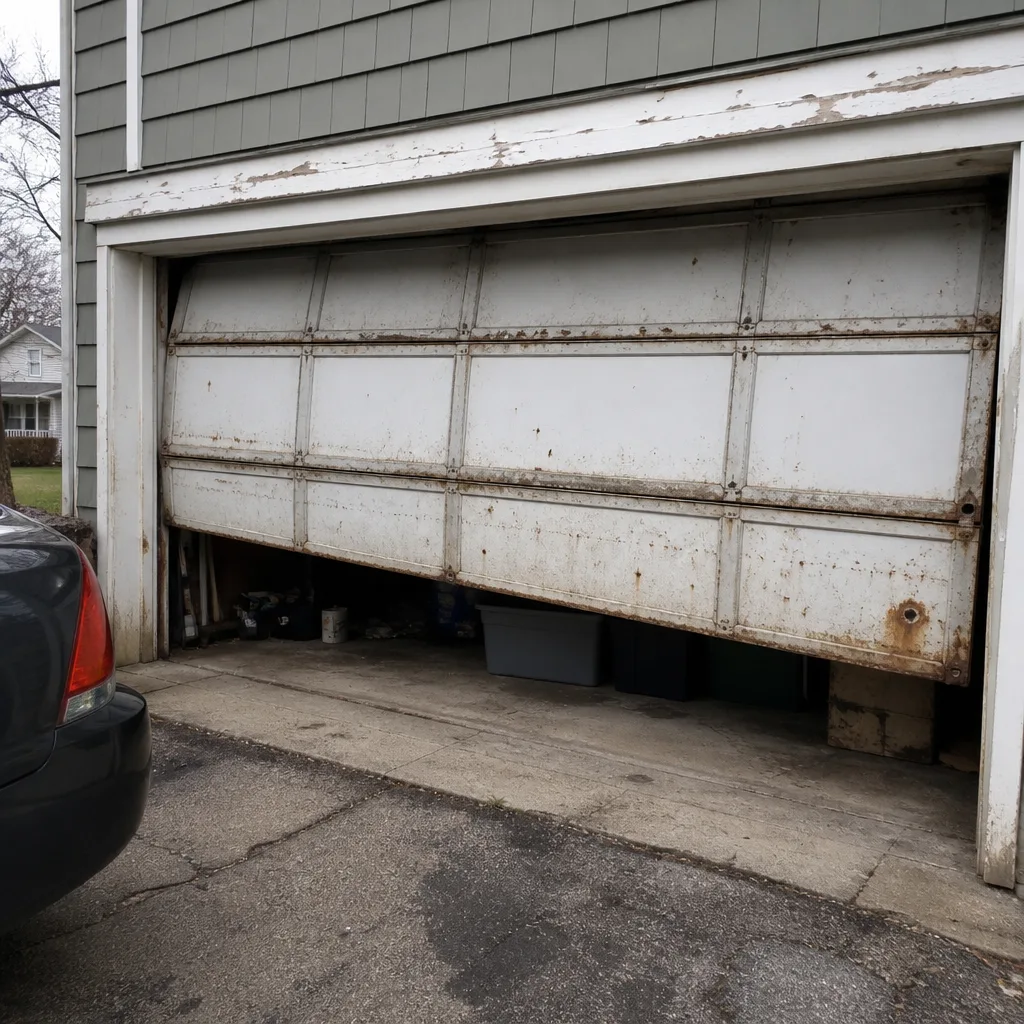 Before
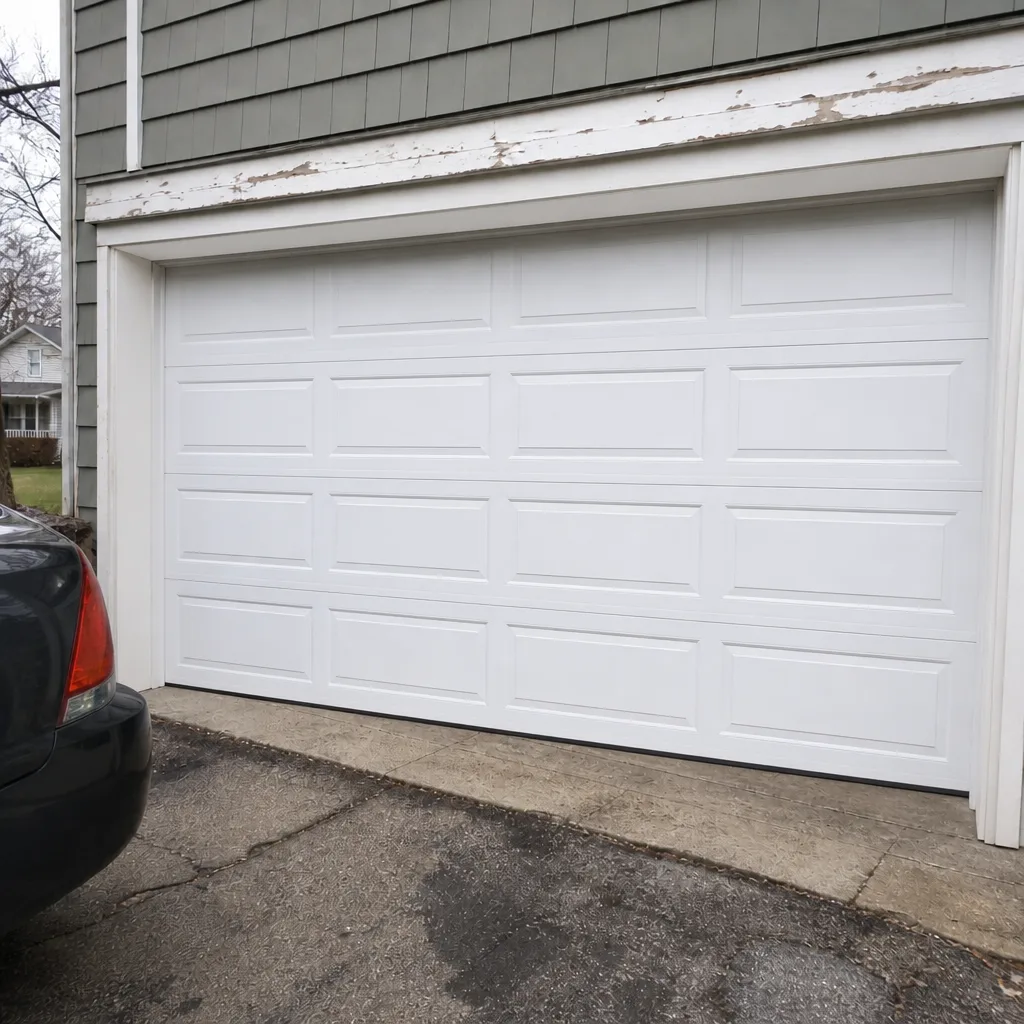 After
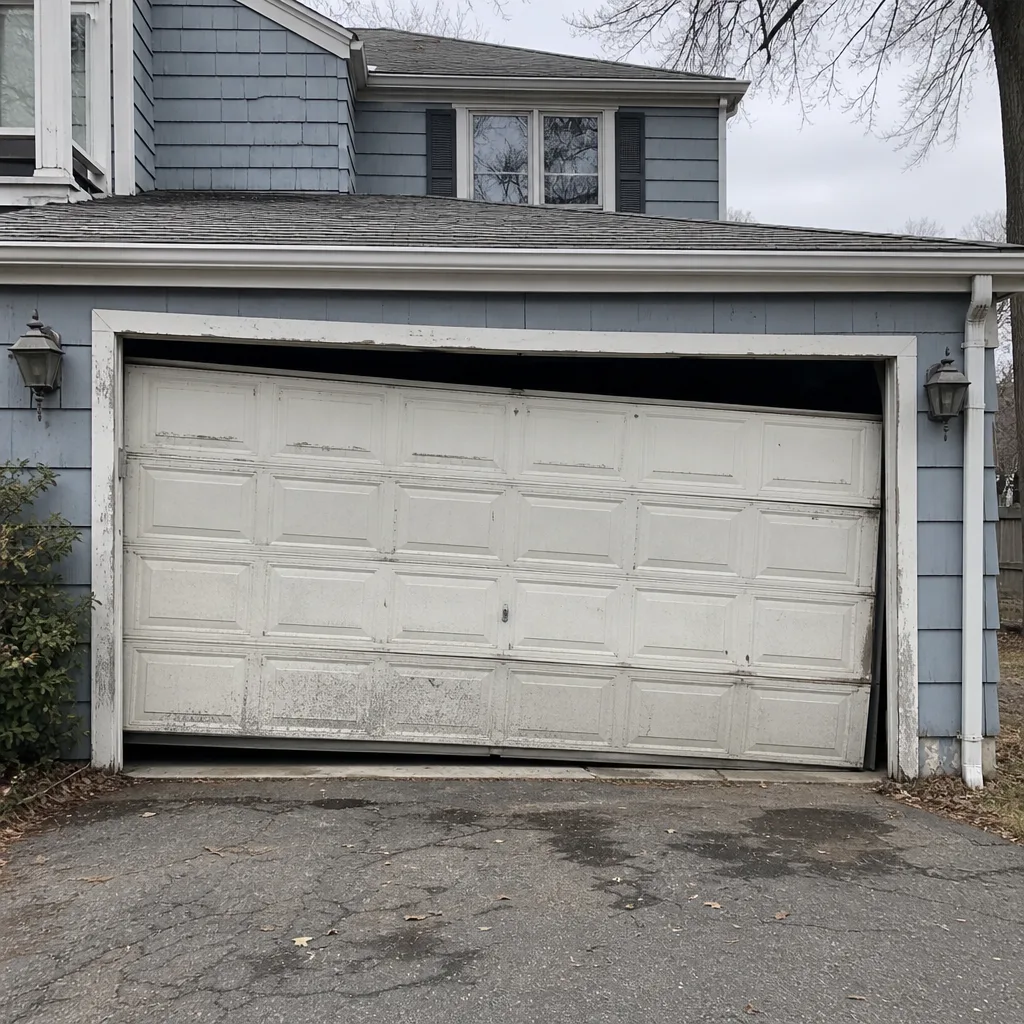 Before
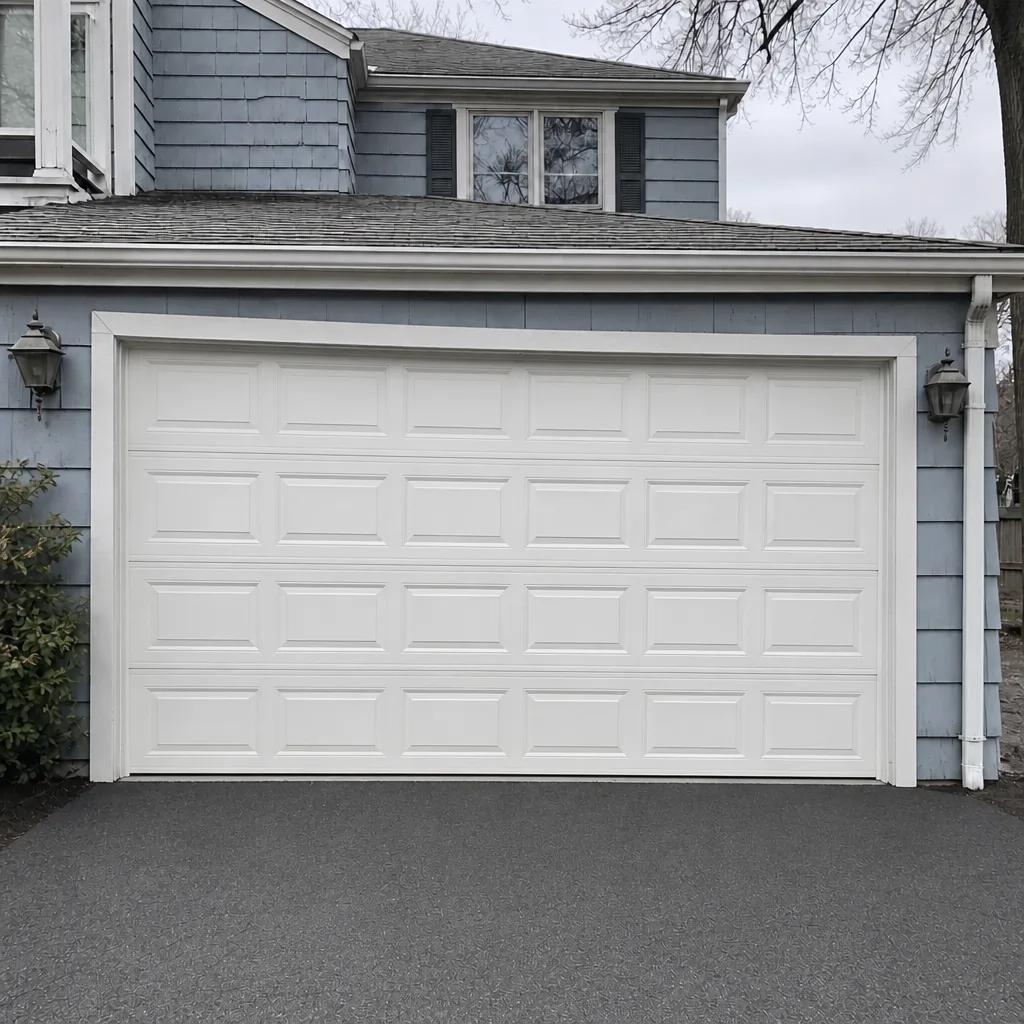 After
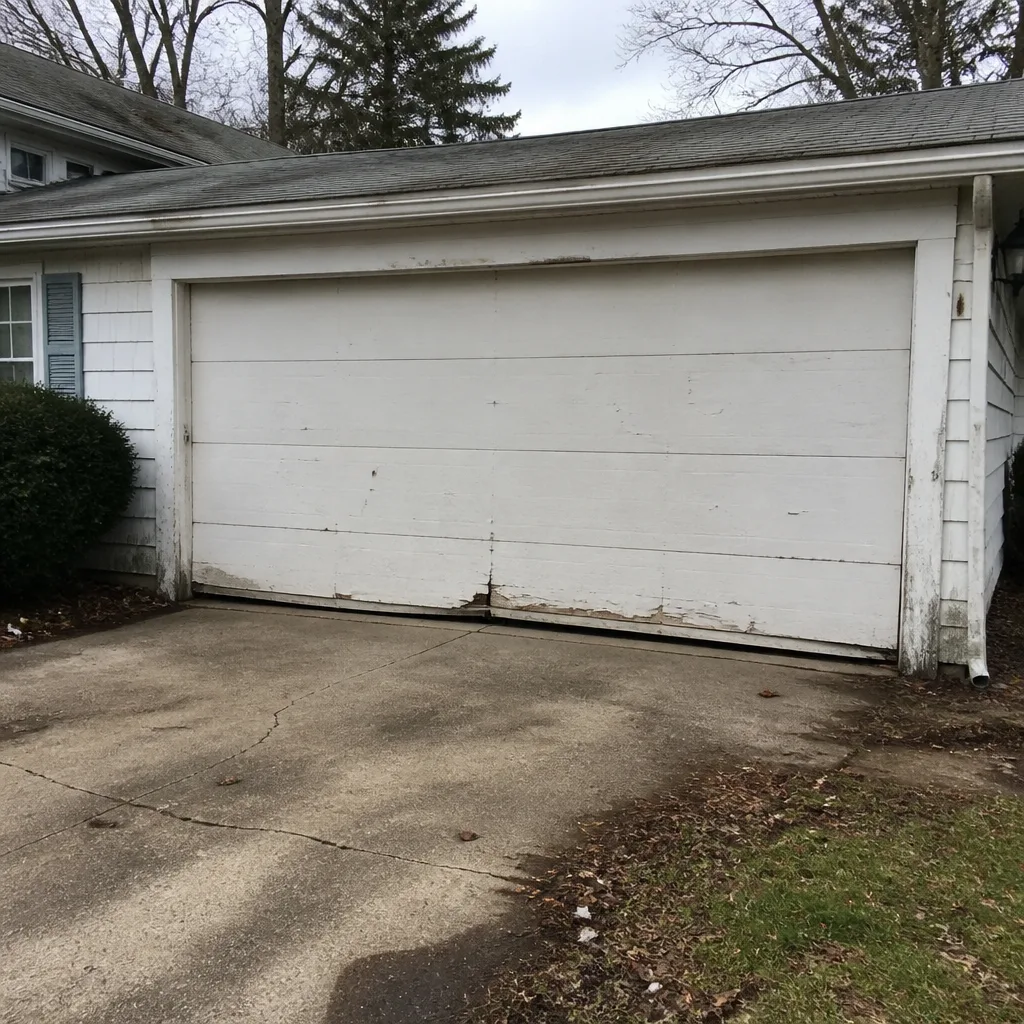 Before
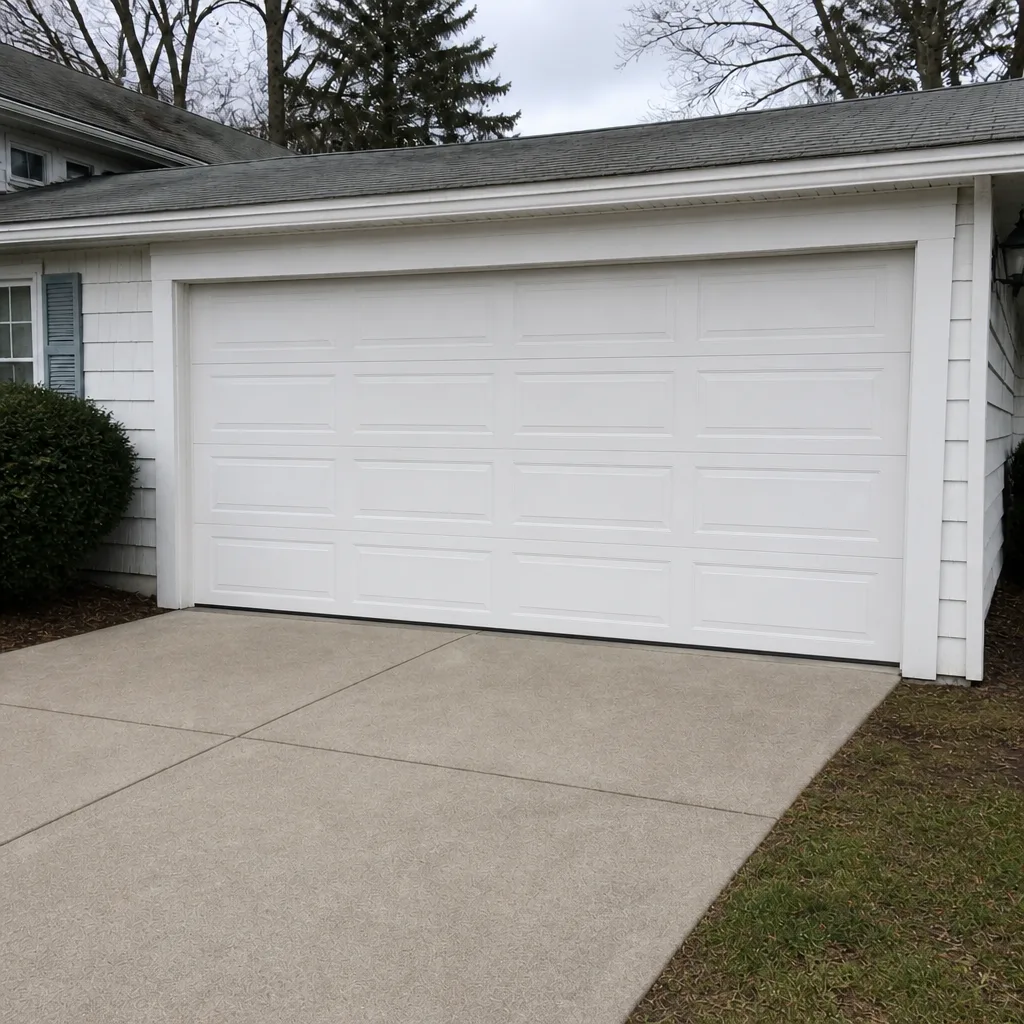 After
What Repairing a Warning Sign Typically Costs in Waltham
What a repair costs depends entirely on how early you catch the sign – which is the whole point of this guide. Here are the ranges we see on typical warning-sign repairs in Waltham. All figures are estimates; the written estimate sets the final price, and it’s quoted and agreed before any work starts.
- Roller replacement: a modest repair, and the single most common early-sign fix.
- Hinge and hardware adjustment: small, often paired with a roller service.
- Bottom seal replacement: a low-cost repair that prevents winter freeze and water damage.
- Cable adjustment or replacement: a moderate repair – a cable failure left alone can bend a panel and change the whole cost.
- Single spring replacement: a dedicated job priced per spring. A matched pair is usually replaced together, so a pair costs roughly twice a single spring.
We can’t give you an exact number without seeing the door, and we won’t pretend to. What we can promise is that the price is quoted and agreed before any work starts, and that the estimate is free. Call (833) 637-5863 for an exact quote.
Frequently Asked Questions
The most common warning signs we see are grinding during travel, clicking throughout the door’s movement, a door that reverses before closing, a stretched or gapped spring, and a bottom seal that’s flattened or torn. New-England cold amplifies a few of these, so the winter months bring more spring and cable calls than the warmer months.
A snapped spring, a cable off its drum, a door that slams down, or any sign the door is coming off its tracks mean stop. Do not operate the door and call a technician. Any of these carries a real injury risk, and continuing to run the door can turn a repair into a replacement.
Disconnect the door from the opener with the manual release, then lift the door by hand. If it’s heavy, binds, or drops on its own, the problem is the door itself. If it lifts easily and stays put, the fault is in the opener. Don’t touch springs or cables yourself – those are for a technician.
Some are. A slower first open, a slightly louder creak, and a brief seal stick below 20°F are normal. A hard bang followed by a door that won’t open, a cable that jumps, or grinding that eases as the day warms are not normal and point to real damage.
Often, yes. We answer 24/7, and we dispatch from 7am to 7pm, Sunday through Friday. We’re closed Saturday, so a call on Saturday is booked into the next opening on Sunday. Call (833) 637-5863 for the earliest slot.
No. We quote and agree the price before any work starts, and the written estimate is the number. Estimates are free. Call (833) 637-5863 for an exact quote.
The Bottom Line
Garage doors warn you long before they fail – a click, a grind, a seal that drags, a door that feels heavy. Sorting those signals into “call today,” “call this week,” and “address within the month” is how a Waltham homeowner keeps a small repair small. The dangerous parts are the springs and cables, and those always go to a specialist. For the rest, a quick two-minute walk-around catches most problems while they’re still cheap. When you’re ready to have a warning sign looked at, call Waltham Garage Door Repair Co at (833) 637-5863. We answer 24/7, dispatch from 7am to 7pm, Sunday through Friday, and the estimate is free.
Written by the team at Waltham Garage Door Repair Co.