
Last updated November 20, 2026
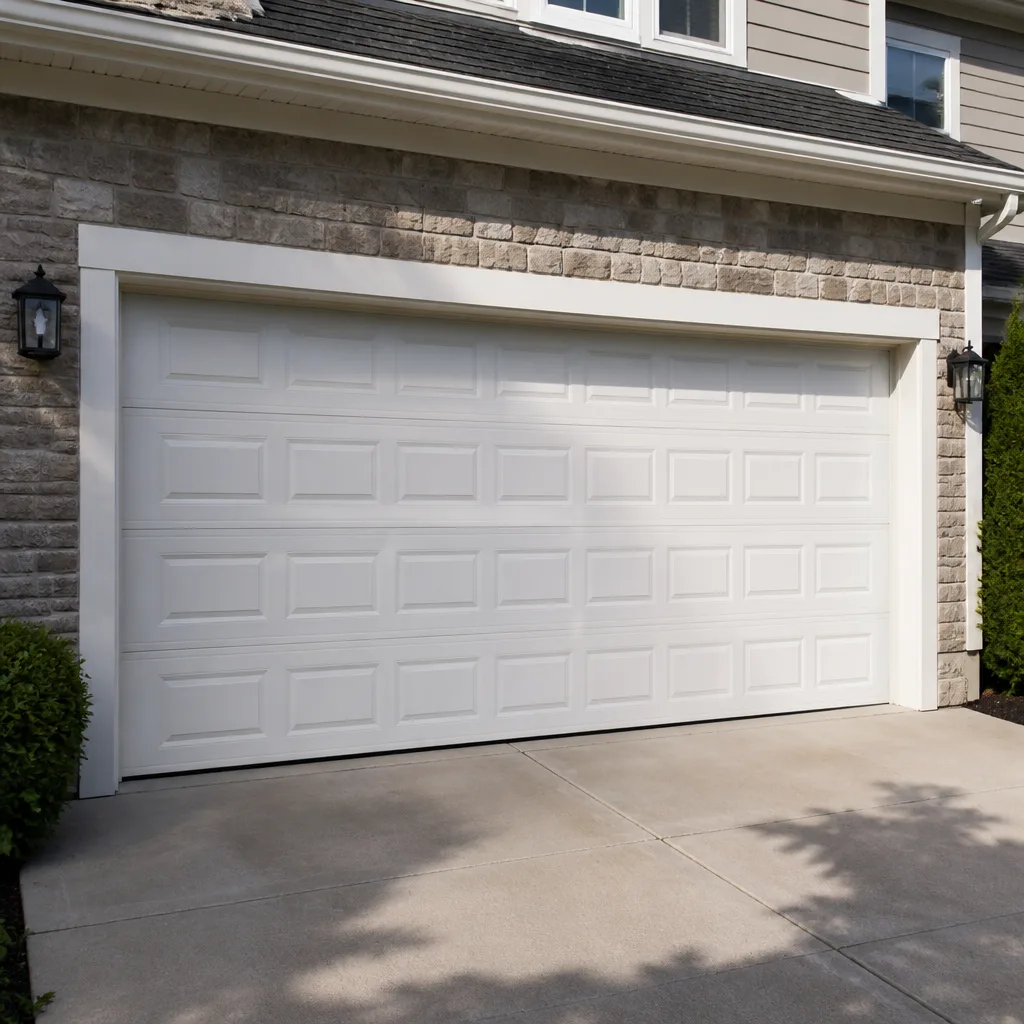 Raised-panel steel
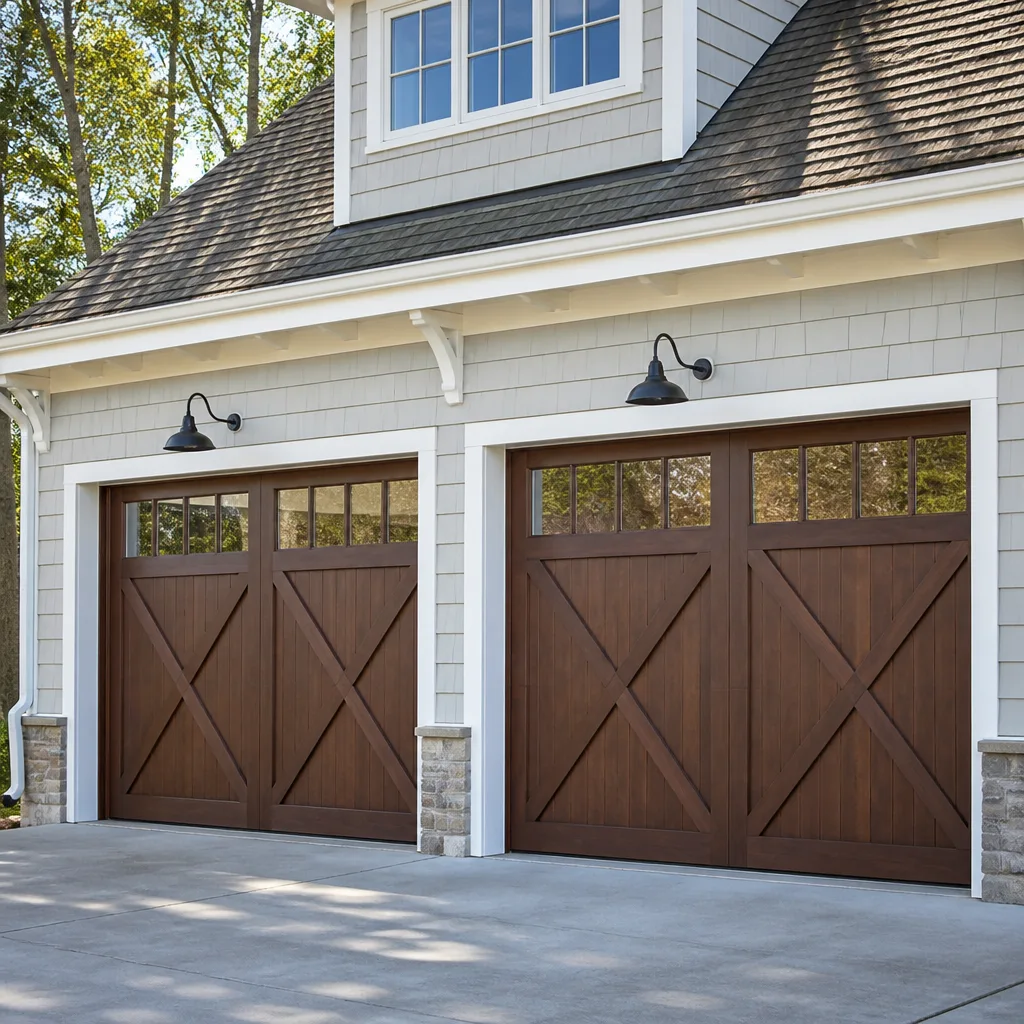 Carriage house
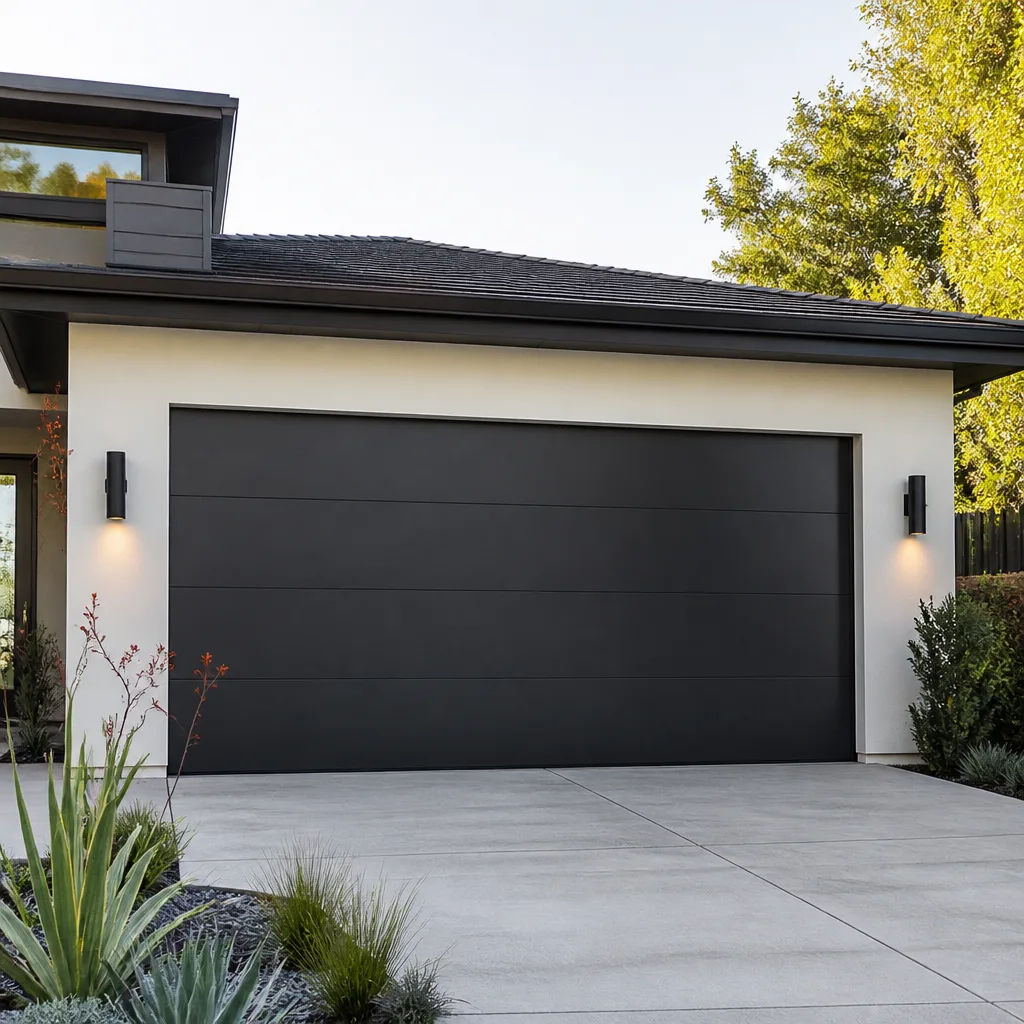 Modern flush
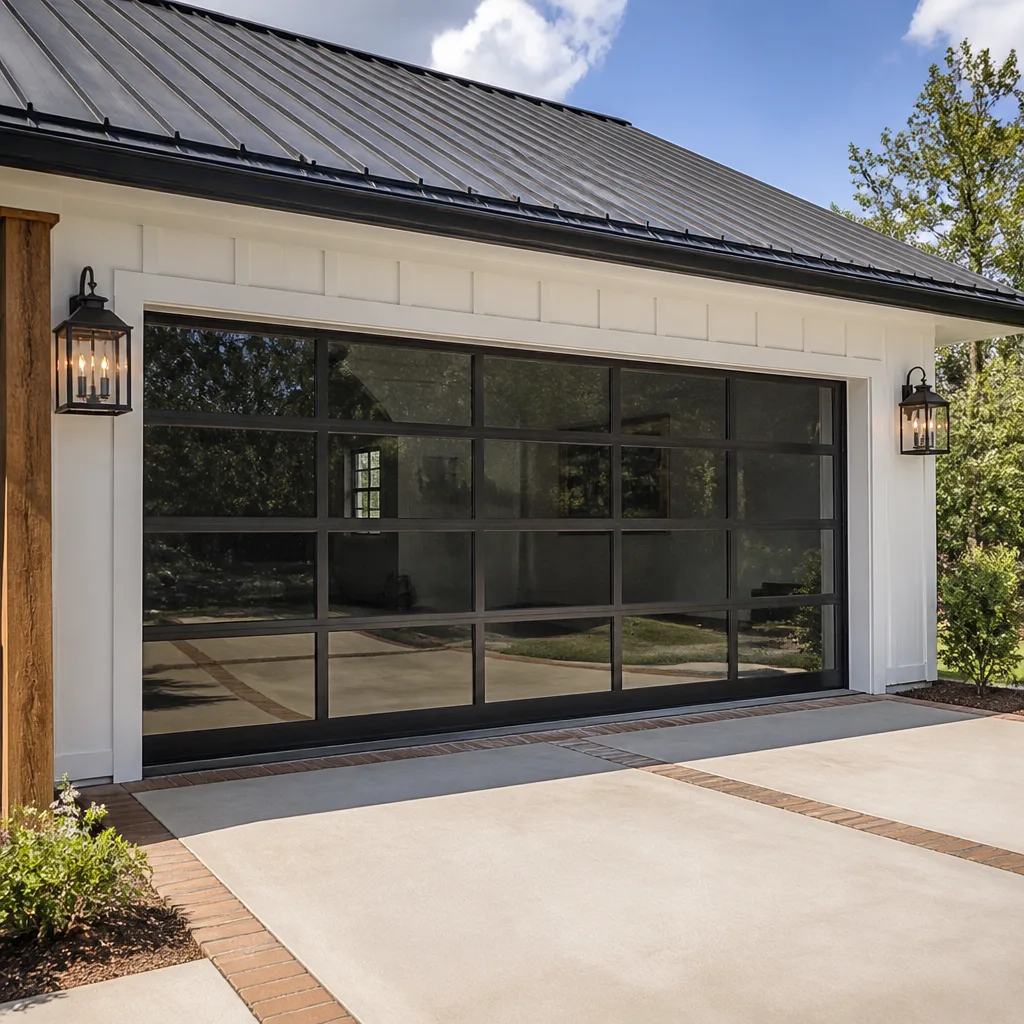 Full-view glass
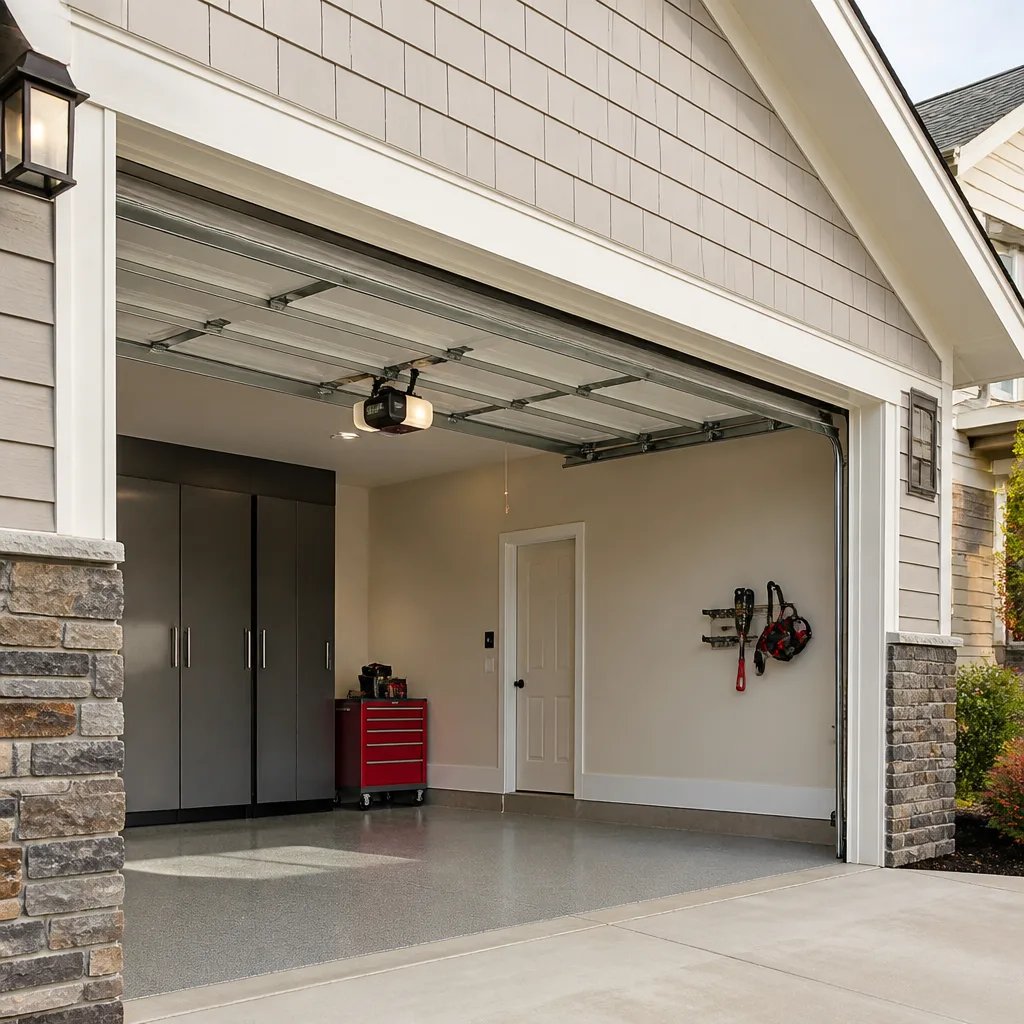 LiftMaster openers
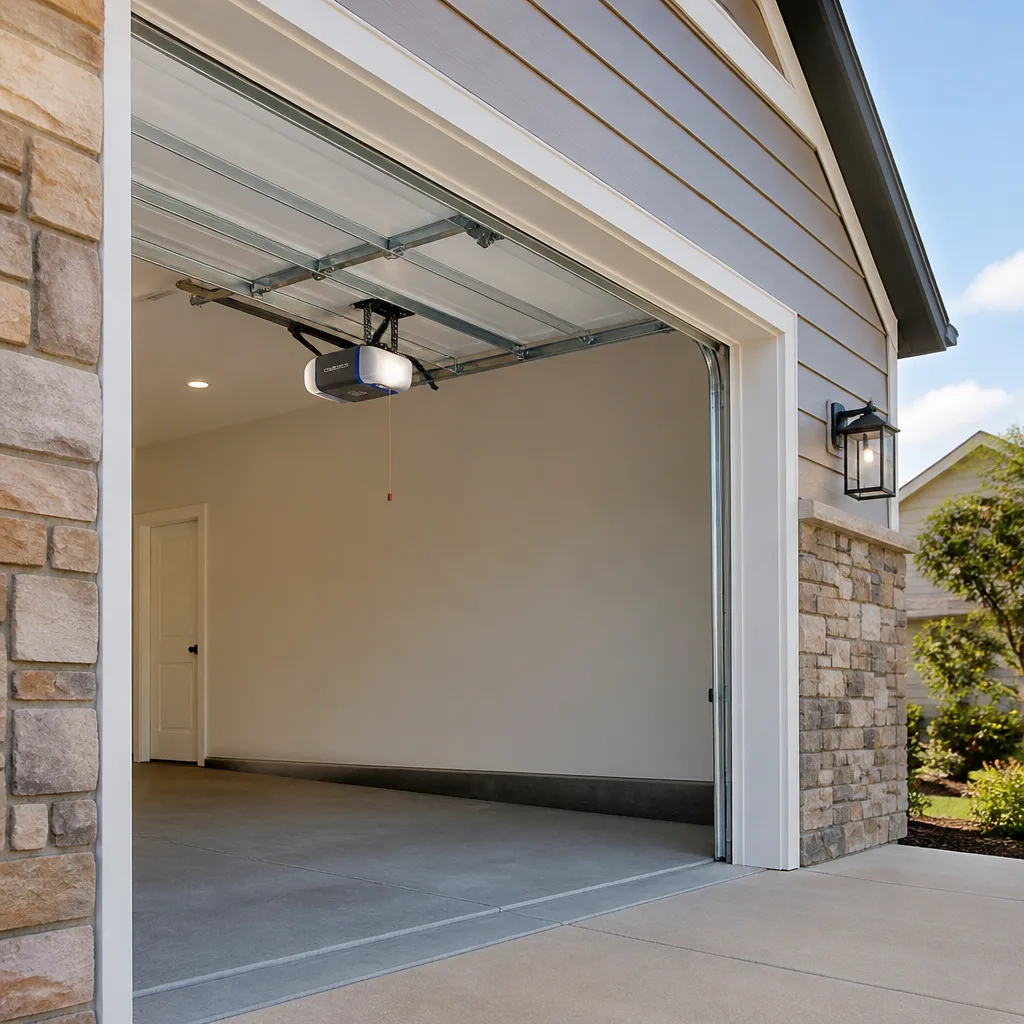 Chamberlain openers
Full 25-point door and opener safety check with every visit - springs, cables, rollers, tracks, and your LiftMaster or Chamberlain opener included
You get a price before we start. It does not change when the pro arrives.
Get your free estimateHow to Hire a Garage Door Contractor in Waltham: A Step-by-Step Guide
A five-star Google rating tells you a contractor is pleasant to deal with. It tells you nothing about whether they carry the right cable drums for a Wayne Dalton torque-tube system, or whether they know the cycle rating on your Clopay panel. That gap between “well reviewed” and “actually qualified” is where most hiring mistakes in Waltham get made. The bid looks reasonable, the person seems friendly, and then the job stalls because the wrong spring is on the truck and nobody thought to check your door’s weight class before booking. This guide walks you through hiring a garage door contractor the way a specialist would vet a colleague: what to ask on the phone, what a real on-site assessment looks like, how to read an estimate line by line, and the trade-specific red flags that generalists and multi-trade outfits leave in plain sight.
Quick Answer
To hire a garage door contractor in Waltham, verify three things before you book: that the company works on garage doors as its trade, not as a sideline; that they ask about your door and opener brand and the specific failure before quoting; and that they put the price in writing before any work starts. A specialist will answer technical questions on the phone and assess the door in person. A generalist will give you a ballpark number from the driveway and hope it holds.
Styles & brands we work with
- Raised-panel steel
- Carriage house
- Modern flush
- Full-view glass
- LiftMaster openers
- Chamberlain openers
Table of Contents
- Why Specialization Matters More Than Star Rating
- The Phone Questions That Separate Specialists From Generalists
- What a Proper On-Site Assessment Looks Like
- How to Read a Garage Door Estimate Line by Line
- How Massachusetts Licensing and Insurance Work for Garage Door Contractors
- Red Flags Unique to the Garage Door Trade
- Why Spring Work Deserves a Specialist, Not a Handyman
- What Waltham Weather and Housing Stock Mean for Your Door
Why Specialization Matters More Than Star Rating
Garage doors reward depth. A residential door is a fairly simple system in the abstract, but every part of it is matched to a particular door’s weight, height, and track geometry. Springs are wound to counterbalance a specific load. Cables, drums, hinges, rollers, and the opener’s force settings all have to line up with that load. A contractor who spends most of the week on plumbing or HVAC doesn’t carry that knowledge at their fingertips, and the mismatch usually surfaces on the job, not in the quote.
When we talk to homeowners in Waltham about a door that stopped working, the first thing we want to know is what’s actually on the door. That’s not a sales move. It’s how you avoid ordering the wrong part. A Craftsman opener mounted to a Clopay panel has its own force limits and travel settings. A Raynor door with extension springs gets serviced differently than a Wayne Dalton torque-tube setup. The brands a company works with tell you something concrete about the depth of their bench, which is why we name ours: LiftMaster, Chamberlain, Genie, Clopay, Amarr, Wayne Dalton, Craftsman, and Raynor. If a company can’t tell you what they work on, they probably can’t tell you what they don’t.
There’s a practical side too. A specialist is faster. When a door fails, the homeowner usually needs it working again quickly, and a company that already knows the equipment doesn’t spend the first hour of the visit working out what they’re looking at. For a closer look at what that service involves, see garage door repair.
What “specialist” actually means in practice
- Their service menu is garage doors, openers, and springs, not a list of fifteen trades.
- They can name the brands they service without checking a list.
- They ask what your door is doing before they ask for your address.
- They understand the difference between a torsion spring, an extension spring, and a torque tube.
- They know how to test an opener’s safety reverse before declaring the opener bad.
The Phone Questions That Separate Specialists From Generalists
You can learn a lot in a five-minute phone call. Specialists answer these smoothly. Generalists deflect, guess, or say “we’ll figure that out on site.” Here are the questions to ask, and what a good answer sounds like.
- “What kind of springs are on my door?” A specialist will ask you to look: is there a horizontal bar above the door with a wound spring, or are there springs running along the tracks? That identifies torsion vs. extension in seconds.
- “Do you know the brand of my opener?” They should ask you to look at the motor housing or the wall button, and they should recognize LiftMaster, Chamberlain, Genie, and Craftsman on sight.
- “What cycle rating does my spring probably have?” A good answer acknowledges that it depends on the original spec, and that a replacement should match or exceed it rather than defaulting to whatever’s on the shelf.
- “Can you quote the price over the phone?” The honest answer is “roughly, but not exactly.” A ballpark over the phone is fine. A firm quote without looking at the door is not.
- “Will you put the price in writing before you start?” The answer should be yes, every time.
- “What happens if you find something else while you’re in there?” The right answer: they tell you, quote it separately, and wait for your go-ahead before doing anything else.
The deflection pattern to watch for is the vague answer that sounds confident. If you ask about the springs and they say “we’ll know more when we get there,” that’s not expertise. That’s a stranger hoping the job goes smoothly once they’re standing in your garage.
What a Proper On-Site Assessment Looks Like
A real assessment happens in the garage, with the door, the springs, the tracks, the rollers, the hinges, and the opener all looked at directly. It does not happen in your driveway while the technician glances at the door from thirty feet away and writes a number on a clipboard. If you’re being quoted from the driveway, you’re being quoted on a guess, and guesses tend to drift once the work begins.
Here’s what a proper assessment covers in a Waltham home, in order:
- Manual operation test. Disconnect the opener and lift the door by hand. A properly balanced door stays put halfway up. One that falls or rises on its own has a spring or balance problem.
- Spring inspection. Torsion or extension – the springs get looked at directly, along with the wind, the set screws, and the drums or pulleys they attach to.
- Cable and drum check. Cables fray and loosen; drums can wear or slip. These are inspected, not ignored.
- Track and roller inspection. Tracks get checked for bends and alignment, rollers for flat spots and bearing wear, hinges for loosening screws.
- Panel and seal check. Any denting, cracking, or weather seal gaps are noted, especially because Massachusetts winters find every gap.
- Opener test. The opener runs through a full cycle, including the safety reverse and the photo-eye alignment, to confirm what it’s actually doing before any part is called “bad.”
- Written estimate. A clear, itemized, written quote with the price per repair and the total, before any work begins.
Expect this to take a few minutes – most assessments run ten to twenty, depending on the door. If someone is in and out in three minutes with no test of the door by hand, that’s a red flag regardless of how the price looks.
How to Read a Garage Door Estimate Line by Line
A well-written estimate should be readable by someone who doesn’t work in the trade. Each line should name a part or a piece of labor, give a quantity, and give a price. What you don’t want is one number with the words “garage door repair” on it. If you can’t tell what you’re paying for, you can’t tell whether it’s a fair price for the work.
Here’s the difference between a good estimate and a vague one on a typical spring replacement for a Waltham home:
- Good: Two torsion springs, matched pair, rated for the door’s weight class – $X each.
- Good: Labor to remove old springs, install new pair, and balance the door – $Y.
- Good: Price quoted, agreed, and signed before work starts.
- Vague: “Spring repair – $395.”
- Vague: “Garage door tune-up.”
- Vague: A total with no line items, no brand, no quantity, no warranty terms.
Springs are one area where the spec matters. A torsion spring has a wire gauge, an inside diameter, and a length that together determine the lift it provides. If your door weighs roughly a certain amount and the estimate doesn’t mention matching the spring to that weight, you’re looking at a shop that may substitute whatever fits the hole. That shorter spring costs less to buy and doesn’t last as long. It’s the classic downgrade, and it’s harder to catch after the job is done. You can see how a proper assessment usually plays out on our garage door spring repair page.
What should be itemized on a good estimate
- The specific part being replaced, with brand and model where applicable.
- The quantity of that part (a pair of springs, not “springs”).
- Labor as a separate line.
- What the price includes: haul-away of old parts, balancing, safety tests.
- The warranty on parts and on labor, in plain language.
- The name and contact info of the company, and the date.
How Massachusetts Licensing and Insurance Work for Garage Door Contractors
Massachusetts regulates home improvement contracting through a state licensing system that covers home improvement work beyond a dollar threshold. Garage door installation and replacement typically fall within that scope, and homeowners can verify a contractor’s license through the state’s consumer affairs office. For repair work, the rules are narrower, but the practical answer is the same: ask.
We can’t tell you what a specific company’s insurance covers or what license class they should hold, because those details vary by the scope of the job. What we can tell you is what to ask for and how to check it:
- Ask for the license number. Any legitimate home improvement contractor should provide it on request.
- Verify it with the state. Massachusetts publishes a lookup through its Office of Consumer Affairs and Business Regulation. Cross-check the number against the company name.
- Ask for a certificate of insurance. This should show general liability and, if they have employees, workers’ compensation coverage. Request it be sent to you directly from the carrier or agent, not from the contractor’s phone.
- Confirm the address. A certificate lists a business address and the insurer’s name. If the names don’t line up, ask why.
Our own approach is to work with local professionals who are licensed and insured as their state and city require. If licensing isn’t the right fit for the specific scope – some repair-only work isn’t classified as home improvement contracting in the same way as a replacement – ask the question anyway. A company that takes the question seriously is usually the one worth keeping.
Red Flags Unique to the Garage Door Trade
Every trade has its shortcuts. In garage doors, they tend to cluster around a few parts that either cost the most or are easiest to swap without the homeowner noticing. Here’s what we’ve seen when we get called to check a previous repair.
Spring substitution. A replacement spring wound to match a lighter door will fail faster than one matched to the door’s actual weight class. If the estimate doesn’t specify the spring’s spec or say the pair matches your door, ask. On a door that gets daily use, this is the single most expensive shortcut a “cheap” job can hide.
Unnecessary opener replacement. An opener that struggles to lift the door may just be fighting a failing spring. If a company wants to replace the whole opener without checking the balance of the door first, that’s the wrong order of operations. On a LiftMaster or Chamberlain unit, the opener’s force settings and travel limits are adjustable; a good technician tests the door by hand before condemning the motor.
Non-brand-matched parts. A Genie opener with a Chamberlain remote, or a safety sensor that doesn’t match the motor’s pairing protocol, can work and still behave unpredictably. On a Craftsman opener with an older receiver, off-brand safety sensors are a common cause of “the door goes up but won’t come down.”
Missing safety reverse test. After any repair involving springs, cables, or the opener, the safety reverse should be tested in front of you. If it isn’t, ask for it.
No written estimate. If you’re being told the price verbally and asked to approve it on the spot, ask for the number in writing before any tool comes out.
Why Spring Work Deserves a Specialist, Not a Handyman
Springs are the most dangerous component in your garage door system. A torsion spring under tension holds enough stored energy to cause serious injury if it releases unexpectedly, and an extension spring that snaps can send hardware across the garage. This is exactly why spring repair should be handled by someone who does it regularly – not a multi-trade contractor who watched a video last week.
What a specialist brings to a spring job is mostly familiarity. They know which winding bars to use, how many turns a door of a given height typically needs, how to check for balance after installation, and what cable and drum wear to look for while the tension is off. They also know the language: a spring’s wire gauge, inside diameter, and length are the three numbers that have to match your door’s weight class, and a proper replacement should be spec’d to those, not guessed at. When a spring fails, calling a dedicated repair service is the right first move, and that’s the whole scope of spring work.
We won’t tell you how to do a spring repair yourself. It’s the kind of job where the failure mode is a hospital visit, and the tools and technique required are not something a homeowner should pick up on a first attempt. If a spring is broken, don’t run the door; disconnect the opener and call. For same-day repair in Waltham, call (833) 637-5863. We answer 24/7. Fast dispatch from 7am to 7pm, Sunday through Friday.
What Waltham Weather and Housing Stock Mean for Your Door
Waltham sits in a part of Massachusetts that gets cold, humid winters and warm, muggy summers, with a wide swing between them. That cycle puts real stress on a garage door’s moving parts. Steel panels expand and contract. Wooden doors can swell slightly in humid months, which throws off the balance and puts extra strain on the opener. Springs, cables, and rollers see more load cycles in the cold. Rubber weather seals harden and crack over a few seasons, which lets in drafts and, in a cold snap, moisture that can freeze a door shut at the bottom seal.
The housing stock in Waltham adds another variable. Many of the city’s older homes have attached or detached garages with doors that have been through multiple replacements over the decades, so the opener may be several generations newer than the door itself, or vice versa. A Craftsman opener from the nineties paired with a Clopay panel installed more recently is a common mismatch. In that situation, the opener is often the limiting factor – it may lift the door fine in mild weather and struggle in the cold.
What this means for hiring: ask whether the contractor works on doors of the age and style in your neighborhood. If your garage is behind a house built in the mid-twentieth century, you’ll want someone who’s comfortable with older torque-tube systems and older LiftMaster or Genie openers as well as the newer connected models. A specialist who works across both is less likely to recommend a full replacement just because the existing setup is unfamiliar.
A short list of Waltham neighborhoods and what we tend to see
- Warrendale and The Lanes: many older homes with legacy openers and doors that have been re-paneled over time.
- Piety Corner and Cushing: a mix of mid-century and newer construction, often with newer smart openers on older door panels.
- Cambridge Reservoir area homes: typically detached garages where the door sees more weather exposure and the bottom seal takes the brunt.
- Downtown Waltham and Moody Street area: tighter lots where the door opens close to the street and cable and roller wear is more visible.
Common Mistakes to Avoid
These come up often enough that they’re worth naming directly. Each one is easy to avoid if you know to look for it.
- Hiring the cheapest bid without a written scope. A low number with no line items is a starting point for negotiation, not a finished price. The final invoice can climb if the scope wasn’t pinned down.
- Accepting a quote given from the driveway. A firm price without a look at the door is a guess, and it usually drifts once the technician opens the garage. Ask for the assessment first.
- Letting a generalist swap the springs. Springs are matched to the door’s weight class, and substituting a lighter spring is a common shortcut. If the estimate doesn’t say what’s being installed, ask.
- Replacing the opener when the door is out of balance. A struggling LiftMaster may just be fighting a failing spring. If the door doesn’t stay halfway up on its own, the opener isn’t the primary problem.
- Skipping the safety reverse test. Any repair that touches the springs, cables, or opener should end with the reverse tested in front of you. If it isn’t, ask for it before the technician leaves.
- Not verifying the license and insurance. Massachusetts provides a lookup for home improvement contractors; use it. Ask for a certificate of insurance from the carrier.
- Assuming a five-star rating covers technical depth. Reviews speak to how a company handles the visit. They don’t tell you whether the tech knows the cycle rating on your door’s springs. Ask the questions.
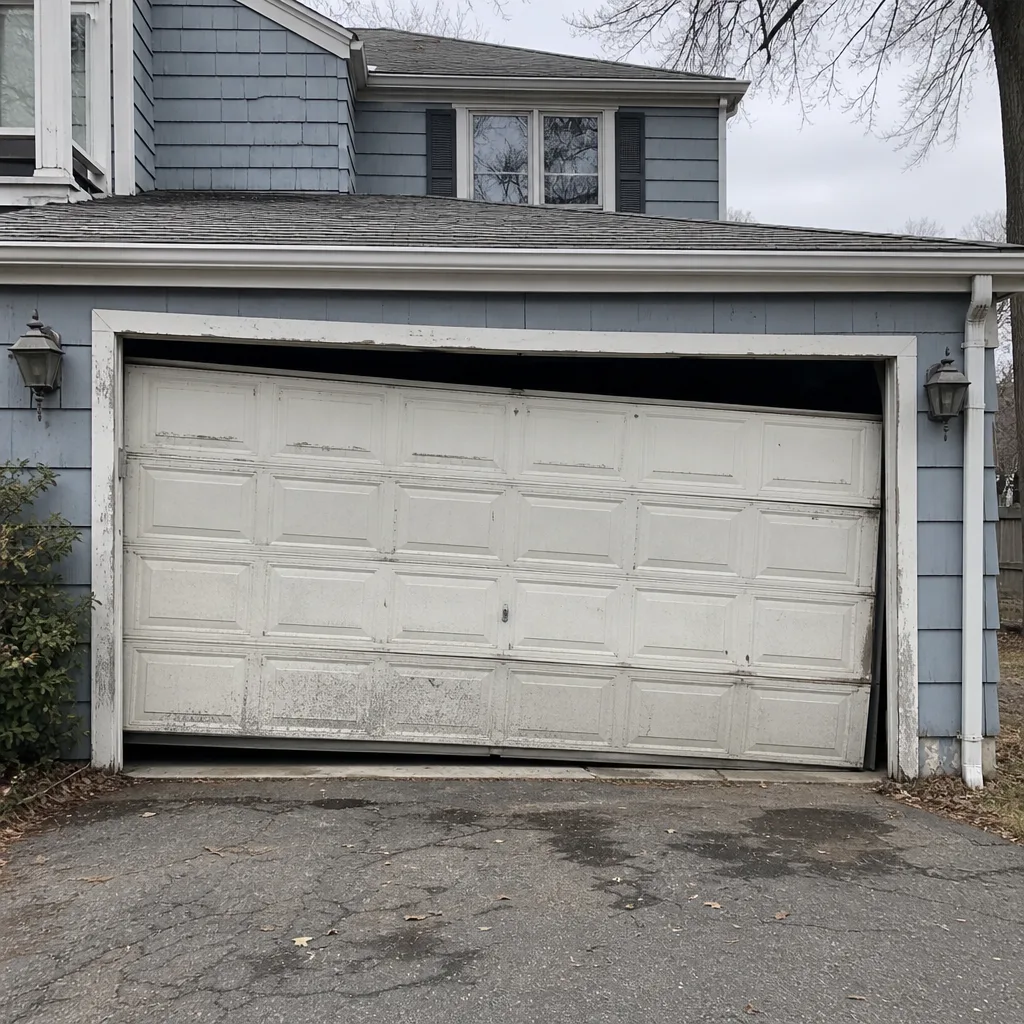
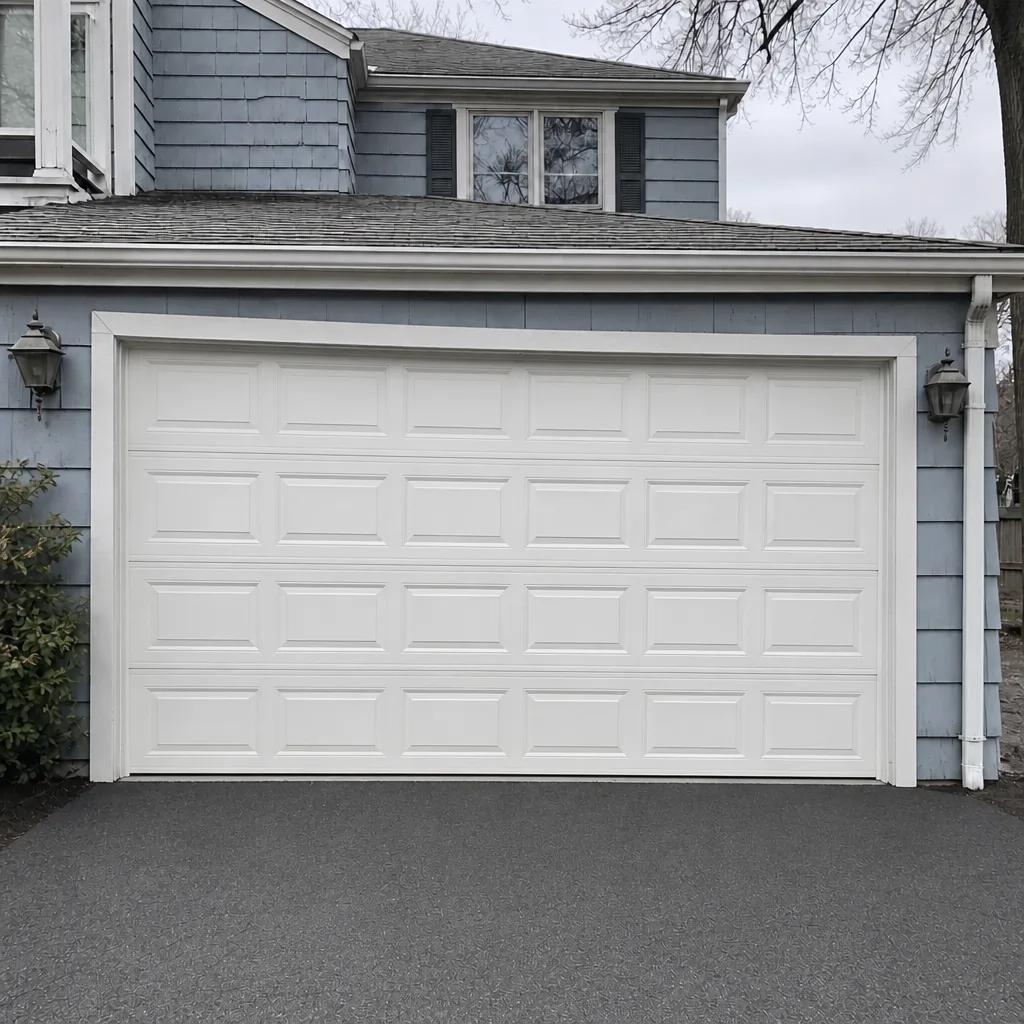
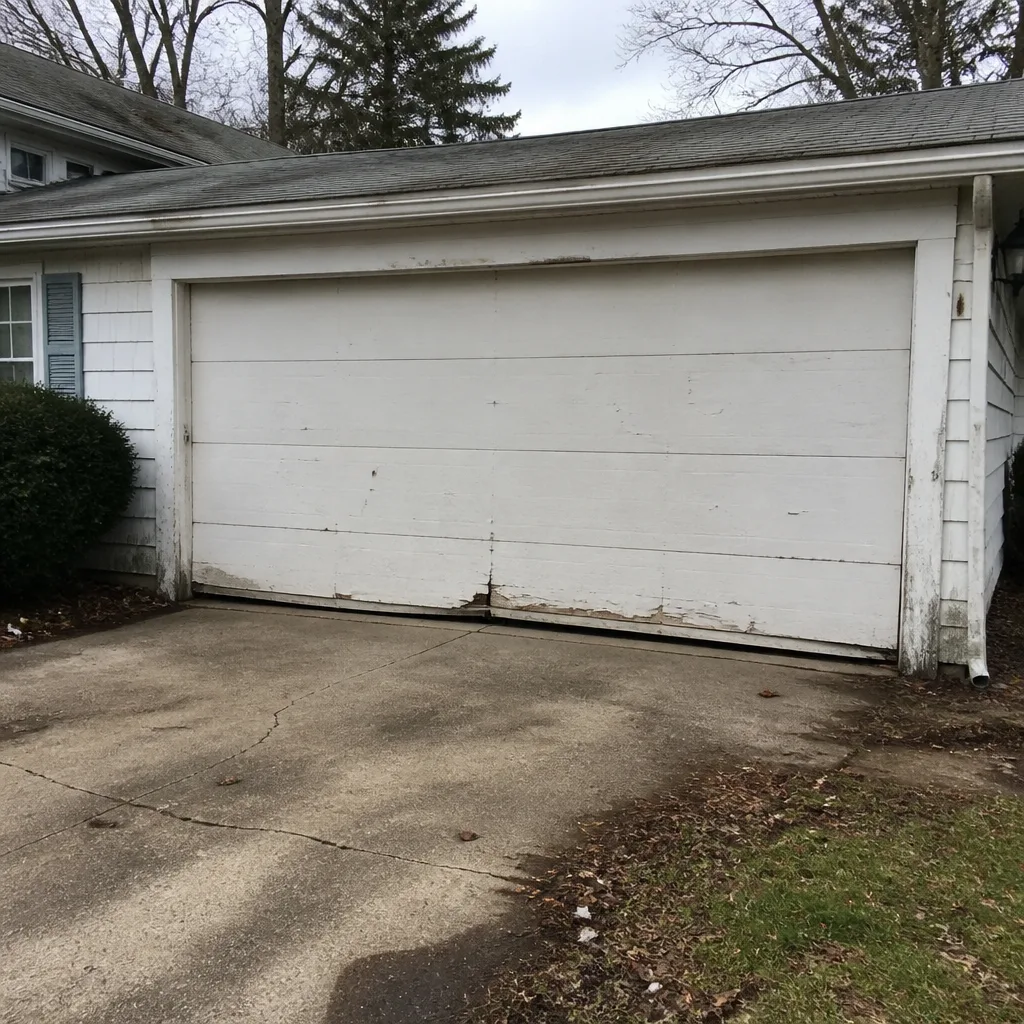
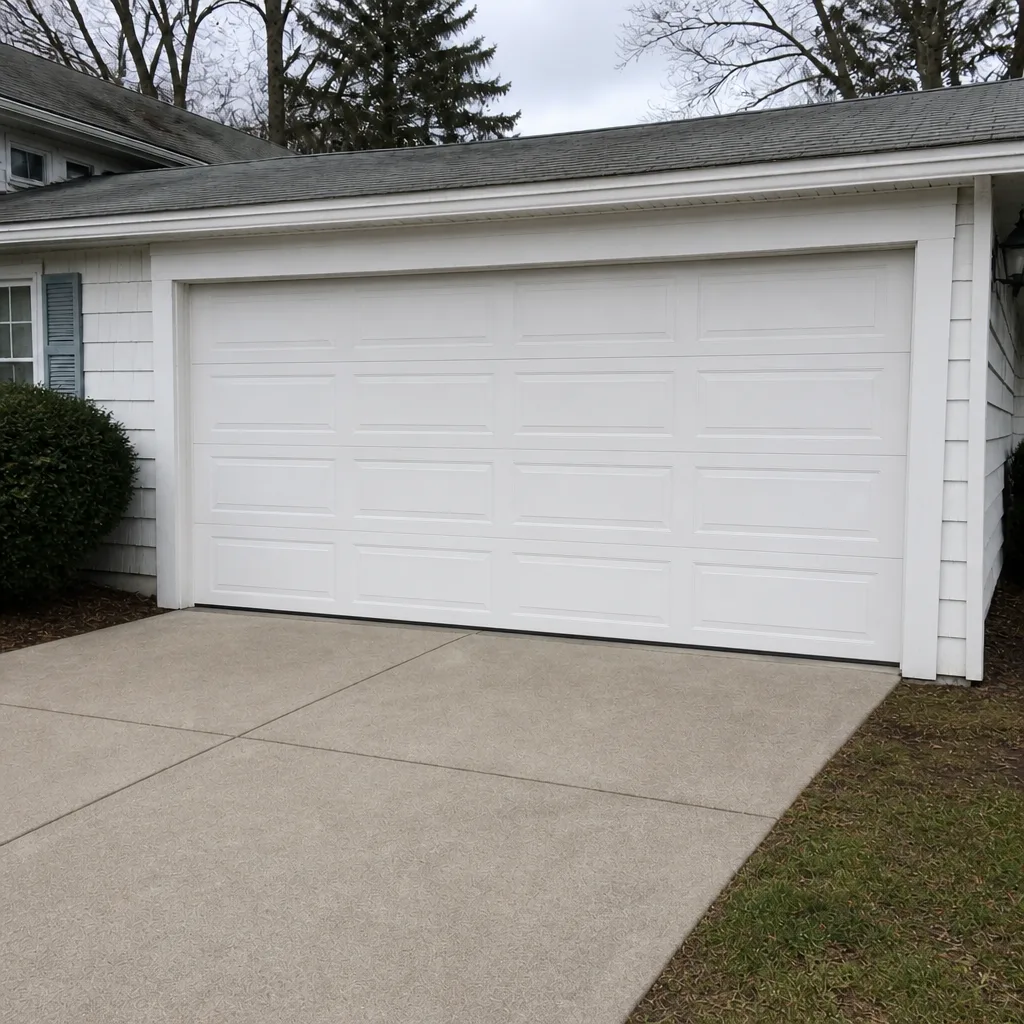
See the difference
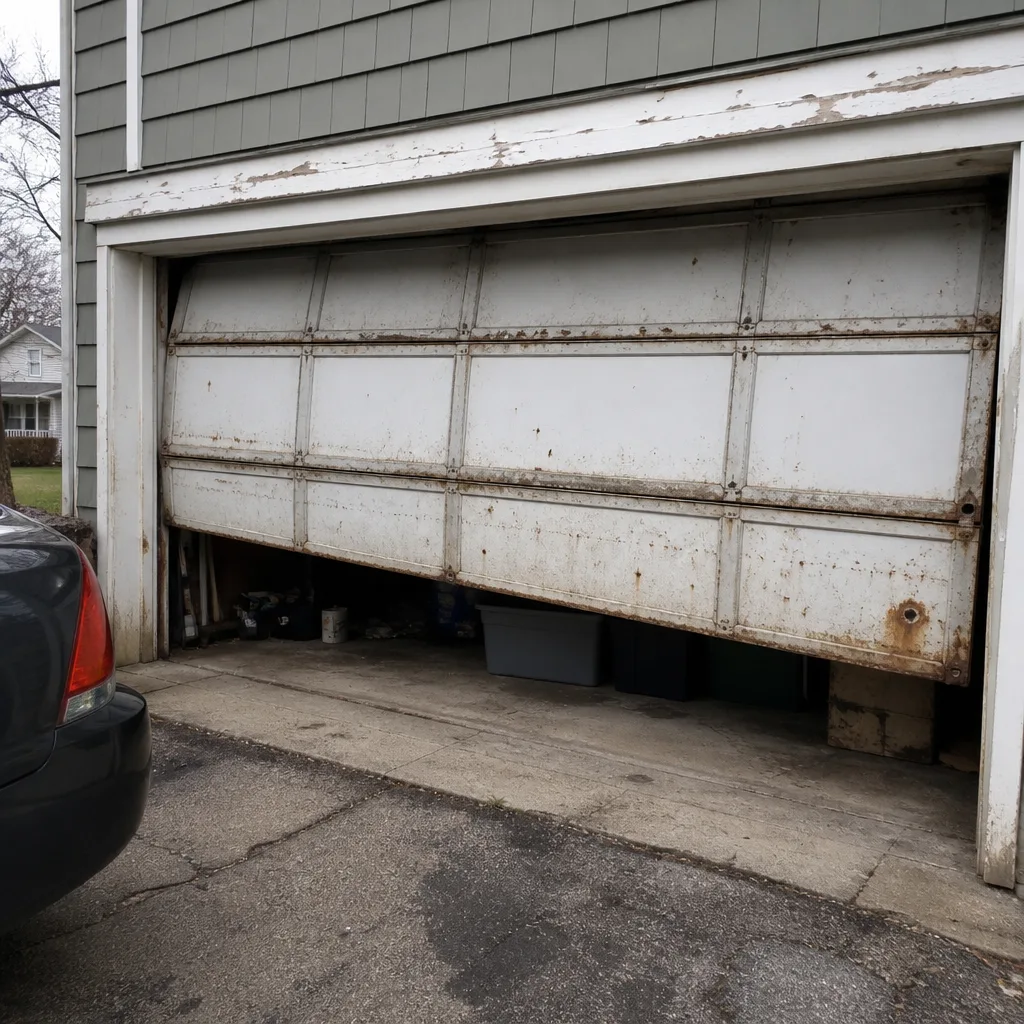 Before
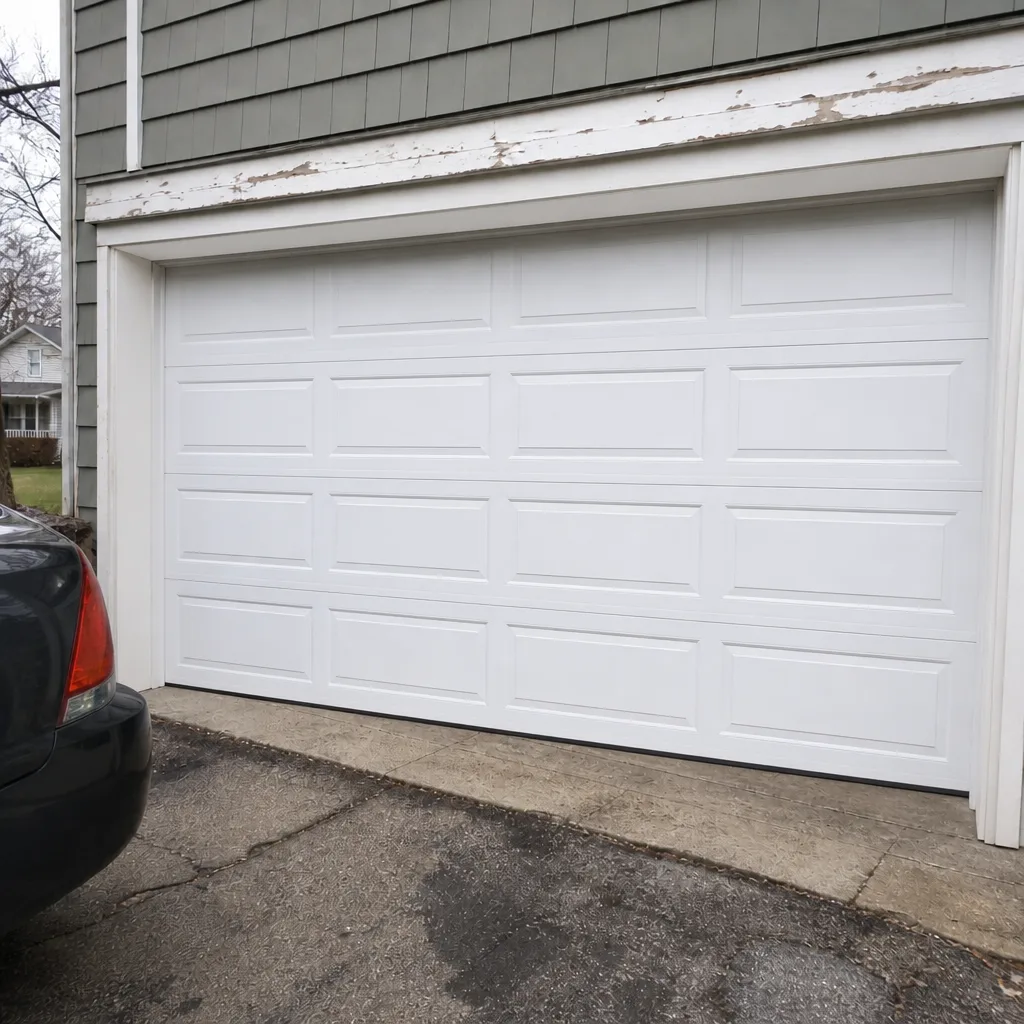 After
 Before
 After
 Before
 After
When to Call a Professional
Some jobs are worth a call. A broken spring, a snapped cable, a door that’s come off its track, or a door that closes on its own are all cases where calling a specialist is the right move, not a convenience. Opener failures – a motor that hums without moving, a wall button that stopped working, a safety sensor that’s misaligned – are also worth a call on the same day if the door won’t close, because you can’t leave a garage unsecured. For routine maintenance, a door that’s out of balance, or a bottom seal that’s gone stiff, calling a professional is still the right call because they’ll catch wear on the parts you can’t see. Waltham Garage Door Repair Co offers free estimates in Waltham – call (833) 637-5863. We’re the team behind Waltham Garage Door Repair Co, and this is what we do.
If your opener is the issue, our garage door opener repair page covers the common failure modes. Our technicians have up to 15 years of experience, and that experience is concentrated on garage doors, not split across other trades.
Frequently Asked Questions
Spring repair in Waltham typically costs a set range per spring, and a matched pair is usually replaced together, so a pair costs about twice that. The written estimate sets the final price, and it’s agreed before any work starts. Call (833) 637-5863 for an exact quote – estimates are free.
Often yes. Same-day service is available for repair work, and we answer 24/7. Fast dispatch from 7am to 7pm, Sunday through Friday. A call outside dispatch hours is booked into the next opening, Sunday through Friday, 7am to 7pm.
The quoted price is the price you pay. We assess the door in person, put the work in writing, and agree on the price before anyone picks up a tool. If something turns up that wasn’t quoted, we tell you and wait for your approval before proceeding.
The local professional we connect you with is licensed and insured as their state requires. Ask for the license number and insurance certificate if you’d like to verify it, and we’ll provide it.
No. Springs are the most dangerous component in the system, and replacement requires matching the spring’s wire gauge, inside diameter, and length to your door’s weight class. A generalist who hasn’t done the work doesn’t know how to spec it, and the shortcut of installing whatever fits the hole leads to faster failure. Call a specialist.
We work on LiftMaster, Chamberlain, Genie, Clopay, Amarr, Wayne Dalton, Craftsman, and Raynor equipment. That includes both legacy and newer connected openers. If your opener is one of these, we already know how it’s put together before we arrive. Call (833) 637-5863 to set up a free estimate.
That depends on the scope of the work and the current requirements in your area. Ask your city’s building department before scheduling a full replacement, and ask the contractor whether they typically pull the permit for that work. For repair work, permits are usually not required.
The Bottom Line
The best insurance against a bad garage door repair is asking the right questions before you book. A specialist can name the brands they work on, ask what kind of springs your door has, and put the price in writing before the job starts. A generalist can’t, and the gap between the two usually surfaces after the work is underway. Hire for depth of specialization, not star rating or lowest bid. Verify the license and insurance. Read the estimate line by line. And when a spring fails or a door comes off track, call someone who does this every day. Call (833) 637-5863 for a free estimate in Waltham. We answer 24/7. Fast dispatch from 7am to 7pm, Sunday through Friday.
Written by the team at Waltham Garage Door Repair Co.