
Last updated November 20, 2026
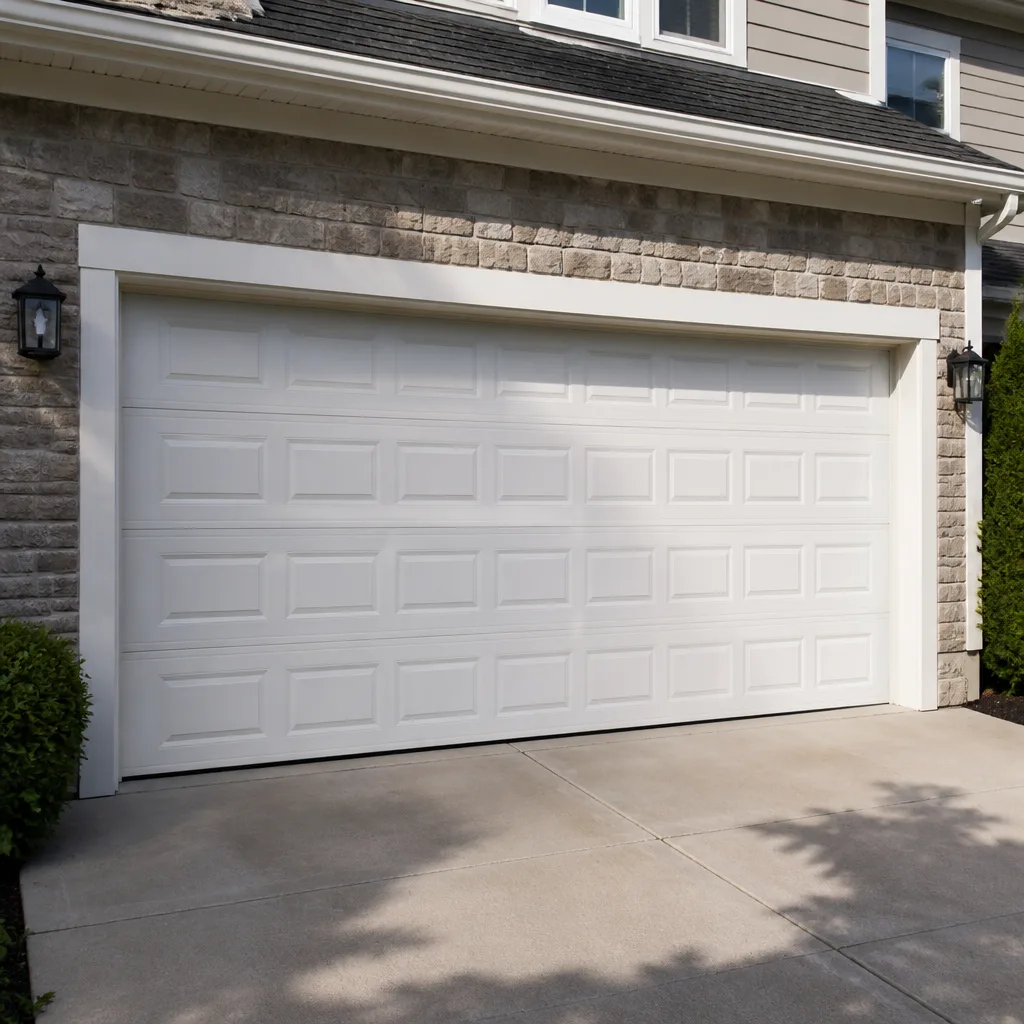 Raised-panel steel
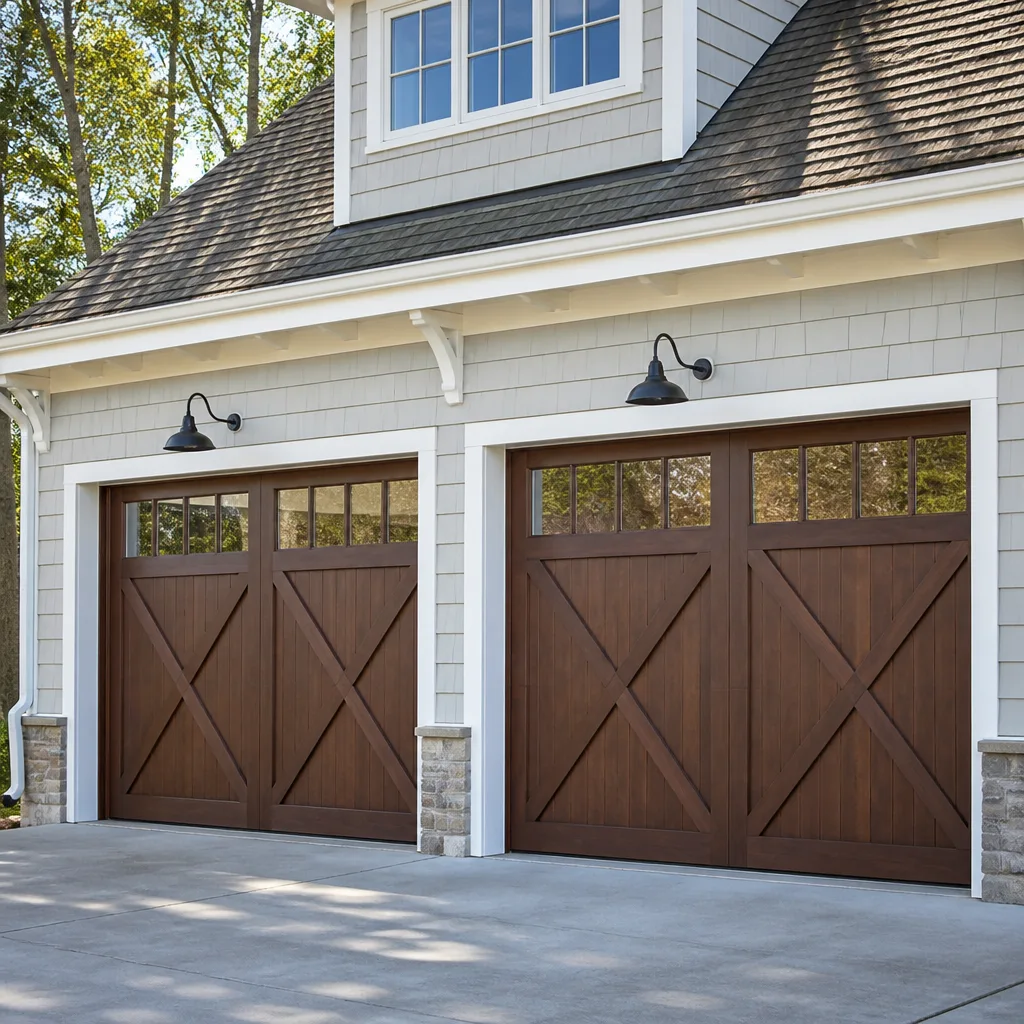 Carriage house
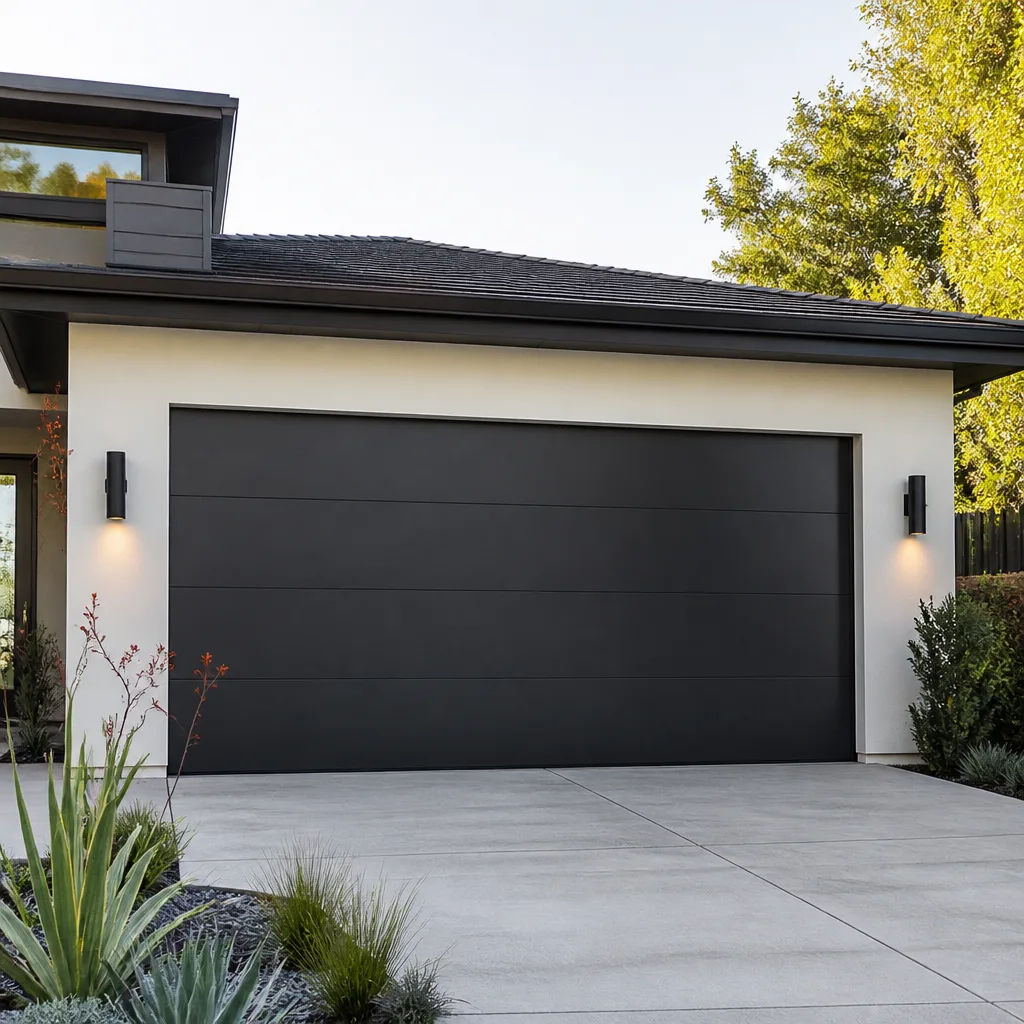 Modern flush
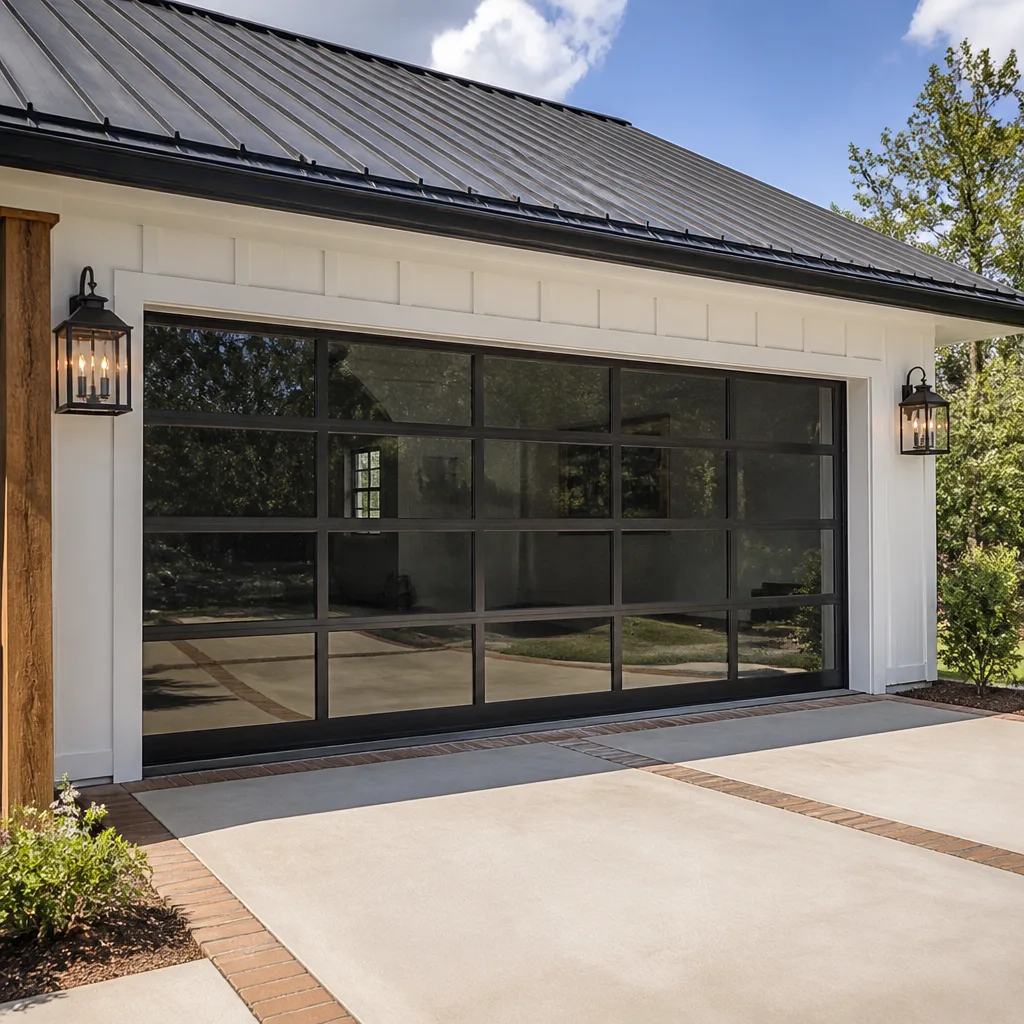 Full-view glass
 LiftMaster openers
 Chamberlain openers
Full 25-point door and opener safety check with every visit - springs, cables, rollers, tracks, and your LiftMaster or Chamberlain opener included
You get a price before we start. It does not change when the pro arrives.
Get your free estimateGarage Door Permits, Codes & Inspections in Waltham, MA: What You Need to Know
Most homeowners treat a garage door replacement like swapping out an appliance. Buy the door, hire someone, done. Then a closing comes along and the buyer’s attorney asks for the permit for work that was finished years before, and the seller has no paperwork to hand over. That gap is where deals slow down and money gets held in escrow. Garage door permits in Waltham sit in an odd blind spot: many people don’t know they exist, and a lot of contractors won’t bring them up because it adds work to the job. This guide walks through when the Waltham building department actually needs to be involved, how repairs differ from alterations under state code, what an inspection of garage door work really checks, and what to do if a door you own was already installed without the paperwork ever being filed.
Quick Answer
In Waltham and across Massachusetts, routine garage door repair usually does not need a permit, but a full door replacement or anything that changes the opening’s structure typically does because it counts as an alteration under the state building code. A permit also triggers inspection of the structural header, the auto-reverse safety function on the opener, and – for an attached garage – the fire-separation requirements on the door. Detached garage doors and basic opener swaps are the murky cases, and they’re the ones worth asking the city about before work starts.
Styles & brands we work with
- Raised-panel steel
- Carriage house
- Modern flush
- Full-view glass
- LiftMaster openers
- Chamberlain openers
Table of Contents
- When Does Garage Door Work Need a Permit in Waltham?
- Repair vs. Alteration: How Waltham Reads the State Building Code
- Permits for Opener Installation, Panel Replacement, and Full Frame-Out Work
- What a Waltham Garage Door Inspection Actually Checks
- How to Retroactively Permit Work That Was Done Without Filing
- Energy Code and Insulated Doors on Attached Garages
- What a Homeowner Can Check Before Calling Anyone
- What to Ask a Garage Door Contractor Before Signing
When Does Garage Door Work Need a Permit in Waltham?
The short version: a full replacement of the garage door or the opening’s supporting structure generally requires a permit, and a same-door repair generally does not. The long version depends on what’s being changed. Waltham’s building department applies the Massachusetts State Building Code to residential work, and garage door replacement sits on the boundary between “maintenance” and “alteration.” If the job stays inside the existing opening and replaces the door itself, the door is often treated as an alteration once the frame or header is touched. If the header, jambs, or surrounding structural members get modified or replaced, the work almost always requires a permit and inspection.
Here’s how the categories tend to shake out:
- Repair only: panel replacement, hinge and roller replacement, torsion or extension spring replacement, cable and bracket work, weather seal replacement. These are maintenance and generally don’t need a permit.
- Door replacement, same opening: new door in the existing opening without changing the frame or header. Often permits as an alteration; the Waltham building department is the authority on whether your specific job gets a permit.
- Frame-out or structural work: replacing the header, modifying the opening, reframing around a new door size, or moving or enlarging the driveway-side opening. This generally requires a permit and inspection.
- Opener installation: a straight swap of an opener on an existing door is usually maintenance. High-lift or side-mount conversion, or modifying the door for a new opener type, gets into alteration territory.
- Detached garage doors: the local interpretation can be lighter than for an attached garage, but it’s still worth a call to confirm.
We can’t tell you with certainty what the Waltham building department will say about your exact job – that’s their call. What we can tell you is that anyone who tells you “nobody permits garage doors in Waltham” is describing their habit, not the code. A quick call to the department before a full replacement takes ten minutes and saves a disclosure headache down the road. The same logic applies to the repair work itself; a garage door specialist who handles these jobs regularly knows which categories trigger a filing and which don’t.
Repair vs. Alteration: How Waltham Reads the State Building Code
The Massachusetts State Building Code treats repairs as work that restores a component to its original function, and alterations as work that changes or replaces a component or its supporting structure. The line matters because permits are triggered by alterations, not repairs. Waltham applies that interpretation to garage door work, though the specific decision always comes from the building department. The practical gray zone is a “replacement” that technically replaces the door but leaves the frame and header untouched. That job often sits close enough to alteration that a permit is the safest read.
Where the interpretation gets clearer:
- Repair stays repair when the original door stays mounted to the original frame, and only hardware, panels, springs, or the operator change.
- Alteration territory opens up when the door size changes, the opening gets reframed, the header is replaced, or the door type changes in a way that changes the load on the frame.
- Rebuilds of an old door into a modern insulated door frequently involve enough structural adjustment that a permit is the right call even when the final opening matches the original dimensions.
The reason this matters beyond compliance is the paper trail. When you sell a home in Waltham, a buyer’s attorney will ask about permitted work. Unpermitted garage door replacements don’t always stop a sale, but they do invite renegotiation, added inspection contingencies, or a request for the seller to file retroactively at their own cost. The cost of a permit and a short inspection is almost always smaller than a last-week scramble before closing.
If you’re already facing an unpermitted door, you’re not stuck. Filing retroactively is a known process, and we’ll walk through it below. Meanwhile, if you only need a repair, our garage door repair team works on the door side (panels, hardware, tracks, frames) without touching anything that changes the opening’s structure. For anything that changes the opening, ask the Waltham building department first. Then you can talk to a contractor about what the job involves.
Permits for Opener Installation, Panel Replacement, and Full Frame-Out Work
The three most common garage door jobs in Waltham – opener installation, panel replacement, and a full frame-out rebuild – land in three different permit categories, and confusing them is how people end up with a filing problem. Here’s the breakdown one job type at a time.
Opener installation
A straight swap of a worn-out opener for a new one on the same door, using the same mounting points and same drive type, is repair work. No structural change, no permit is typically needed. Where it shifts is when the job changes the mounting, upgrades the door from standard-lift to high-lift, converts to a side-mount or jackshaft operator because the ceiling situation changed, or replaces the door at the same time. Those jobs are structural or change the door, so a permit may be required. If the opener is a LiftMaster with myQ, a Chamberlain, a Genie with Aladdin Connect, or a legacy Craftsman unit, the operator install itself is the same physical work; the permit question is about the door and mounting, not the brand. If you only need the operator fixed, our garage door opener repair team handles opener work separately from structural jobs and doesn’t trigger a permit at all.
Panel replacement
Replacing one damaged panel – a common job after a car bumper, a storm, or a tired panel starts to show wear – is repair work. The frame and header are untouched, the door stays in place, and no permit is typically needed. The panel becomes an alteration when the new panel is a different thickness, weight, or material than the original, or when swapping it requires cutting, welding, or reframing. If the door is a Clopay, Amarr, Raynor, or Wayne Dalton unit where the section profile is still available, a like-for-like panel is repair. If the section is discontinued and the replacement requires modification, ask the Waltham building department before work starts.
Full frame-out work
This is the job that most reliably requires a permit. Replacing the header, reframing around the opening, enlarging or reducing the opening, or rebuilding an old door into a modern insulated model usually involves structural changes to the garage wall. That’s an alteration. Waltham’s building department will want to see the structural details and inspect after. If you’re planning this kind of job, the sequence is: get a contractor’s free measure and written price, file the permit, schedule the work, then schedule the inspection once the door is hung and the opener is wired. A full frame-out typically takes a day or two on site, plus inspection scheduling that depends on the city’s calendar.
What a Waltham Garage Door Inspection Actually Checks
When a permit triggers an inspection on garage door work in Waltham, the inspector is verifying three things (and a fourth, when the garage is attached). The list is short, but each item fails easily if the job was rushed.
- Structural header and framing. The inspector checks that the header carrying the door load is sized and attached correctly. This is the check that unpermitted jobs most often fail, because a door swap done by a general handyman doesn’t touch the header, and a replacement done quickly might. If the header was modified, the inspector will want to see the framing plan or verify the load-bearing capacity.
- Auto-reverse and safety reversal function. This is a required safety feature on every residential opener in Massachusetts. The inspector checks that the opener reverses when the beam path across the door’s closing edge is broken (photo-eye reversal) and, on older openers where it’s still present, when the door hits an obstruction on closing. The test involves running the door and interrupting the beam. A clean install passes; a rushed one might not, and a LiftMaster, Chamberlain, Genie, or Craftsman unit all behave differently at the test, so it helps if the installer knows the model.
- Door balance and travel limits. The door has to be balanced – able to hold position roughly halfway up when disconnected from the opener – and the opener’s travel limits have to be set correctly so the door seats fully closed and stops cleanly at the top. An unbalanced door that the opener muscle-points through doesn’t pass, and it’s a sign that the spring setup is off.
- Fire separation on attached garages (when applicable). If the garage is attached to the living space, the wall between garage and house – and any door in that wall, garage access door included – has to meet fire-separation requirements. Garage door itself on the exterior wall isn’t the fire-separation door, but if the job changed the exterior door and the wall between, the inspector will check the assembly as a whole.
Inspection approvals usually happen on the city’s schedule, not the contractor’s. If you’re working around a sale, plan for a permitting and inspection window that could stretch beyond the install day. A garage door installer who does these jobs regularly already knows what the inspector will look at and stays ahead of it. Our garage door spring repair work is separate from this process – spring work is repair, not alteration – but we’ve seen plenty of jobs where the spring setup was off and the door wouldn’t pass balance.
How to Retroactively Permit Work That Was Done Without Filing
If a prior owner installed a garage door replacement in Waltham without a permit, the work can usually be permitted retroactively through the building department. The process isn’t painless, but it’s well-worn, and doing it on your own timetable is much cheaper than doing it during a closing. Here’s the sequence most Waltham homeowners follow:
- Pull the property history. Go to the Waltham building department and find out what’s on file for the property. Sometimes an older permit exists and just wasn’t closed out. Sometimes nothing exists at all. Either way, you want to know before you pick up the phone.
- Get a contractor’s assessment in writing. A garage door specialist needs to look at the current install and confirm what’s code-compliant and what isn’t. That assessment might need to include the header, the frame, the door’s balance, and the opener’s safety functions.
- File the permit as an alteration (or whatever category the building department selects). The application describes the existing install and the work that brings it into compliance. The city sets the permit fee based on the job scope, and it’s paid when the permit is pulled.
- Complete any correction work. This is where the cost lands. If the original install was done correctly and only needs a filing, the correction work is minimal – maybe some adjustments and fresh documentation. If the header or frame was done wrong, the correction is the full cost of making it right, and that can approach the cost of a proper install.
- Inspect and close out. The inspector checks the same items listed above, and once the permit is signed off, the file gets closed. That closed permit becomes a document you can hand over at sale.
Compare the cost of retroactively permitting against rolling the dice on an unpermitted door. The permit fee plus inspection is small; the correction work, if any, is the variable. The alternative – leaving it – costs nothing today and everything when a buyer’s attorney asks the question. In our experience, the closing-day problem is the bigger of the two risks. The cheapest path is to file early.
Energy Code and Insulated Doors on Attached Garages
Massachusetts has a stretch energy code that Waltham follows, and it reaches into garage door selection when the garage is attached to a conditioned space. An attached garage is thermally coupled to the house through the shared wall, and a garage door that faces a heated wall affects the home’s overall energy performance. If you replace a garage door on an attached garage, the door’s insulation rating becomes a code consideration, not just a comfort choice.
What that means in practice:
- Insulated doors are the norm for replacement on attached garages. An uninsulated steel door on an attached garage, especially where the garage faces the house wall, is increasingly hard to justify under the stretch code.
- The door’s rated insulation value matters. A manufacturer-listed rating for the door assembly is what the inspector will look for; that rating comes from the door maker, and the contractor should have it on file. Clopay, Amarr, Raynor, and Wayne Dalton all publish assembly ratings for their insulated lines.
- Weather sealing at the bottom, sides, and top counts. The most insulated door in the world doesn’t perform if the bottom seal doesn’t make contact across the whole width or the side frames aren’t sealed tight. Inspectors notice this; more importantly, so does your heating bill.
- An attached garage that’s fully conditioned (heated and used as living space) is the highest standard, but most attached garages are unconditioned. The stretch code still applies to the wall between, and the door assembly on that wall.
The energy code question is where a full replacement becomes more than a product swap. The door has to be right for the opening, the zone, and the attached-garage condition. That’s a conversation to have with a contractor during the free measure, before the door is ordered. A wrong door on an energy-code job can fail inspection even if it operates fine.
What a Homeowner Can Check Before Calling Anyone
You don’t have to diagnose your own garage door, but a few quick checks make the first call more useful. This is inspection, not repair – leave the springs, cables, and the torsion assembly alone. Those are the highest-tension parts of the system, and getting in the way of one is how people get hurt.
- Does the door balance? Pull the manual release cord with the door down, then lift the door halfway by hand. It should hold roughly in place. If it slams down or feels unusually heavy, the springs or cables are the likely cause, and a trained professional needs to look at them.
- Does the photo-eye pass? Wave an object across the beam path at the bottom of the door with the door closing. It should reverse immediately. If it doesn’t, stop using the door and have the opener serviced.
- Are the rollers and hinges loose? A visual walk-around will show a hinge pulling away, a roller off the track, or a panel with a visible crack. Track those observations and share them.
- Does the door look level across the bottom? A door that sags on one side is a balance problem. A door that touches the ground unevenly is also a weather-seal problem.
- What brand is the opener? A LiftMaster, Chamberlain, Genie, Craftsman, or other brand on the opener housing makes it easy to know what parts and diagnostic steps to expect. Have the model number ready if you can find it.
- Is the garage attached or detached? Attached garages bring the energy code and fire-separation considerations into the picture. Detached garages are usually simpler.
If any of those checks turns up a problem, call a garage door specialist rather than trying to fix it. When you call, be ready to tell us the door brand and the opener brand if you know them – that speeds up the diagnostic. Our technicians have up to 15 years of experience, and we’re familiar with the equipment Waltham homes run.
What to Ask a Garage Door Contractor Before Signing
Not every garage door contractor will volunteer the permit conversation. A few direct questions separate the ones who know Waltham’s process from the ones who don’t, and asking them costs nothing.
- “Will this job need a permit from the Waltham building department?” If the answer is “no, it never does,” ask them to explain. A specialist should be able to tell you why the job falls in repair or alteration and what the department is likely to say.
- “Who pulls the permit if one is needed?” In Waltham, either the homeowner or the contractor can pull it. If the contractor pulls it, the closed permit becomes part of the property record and gets handed over when you sell.
- “Will you produce the door’s insulated rating for an attached garage?” If the replacement is on an attached garage, the manufacturer’s rating should be in the written price. A contractor who can’t produce it hasn’t thought about the energy code.
- “How will you test the auto-reverse and balance before you leave?” A qualified installer tests both at the end of the job and documents it. If the answer is vague, the inspection may catch it for you.
- “What’s the written price, and does it change if the job gets more complicated once you’re on site?” The price should be quoted and agreed before work starts. If they discover something that changes the scope, the contractor should pause and get your approval before continuing.
Our technicians work on garage doors only – the door, the opener, and the springs – so the answer to the permit question and the energy code question comes from people who deal with these jobs constantly, not from a general handyman covering a hundred trades. If you’re already working with a contractor and want a second opinion on what the job actually needs, a free estimate from us will at least give you a baseline. You can reach Waltham Garage Door Repair Co for a written price on any garage door job.
Common Mistakes to Avoid
- Assuming “replacement” means “no permit needed.” In Waltham, a full door replacement often counts as an alteration the moment the frame or header is touched, and that triggers the filing. Ask the building department, not the neighbor who replaced theirs.
- Letting the contractor pull the permit without a copy. The closed permit should end up in your property file and in your own records. If the contractor files and doesn’t hand over documentation, ask for it – the paperwork is the point.
- Replacing a door on an attached garage with an uninsulated model. The Massachusetts stretch code applies to the assembly, and an uninsulated door on an attached garage can fail inspection even if it fits and operates fine. Confirm the door’s rating before ordering.
- Skipping the auto-reverse test. The safety reversal test is the single check most often caught in inspection, and it’s also the one most worth doing yourself once a year. If the beam or the reversal fails, stop using the door until it’s fixed.
- Letting a general contractor or handyman do structural work because they were already on site. If the header or frame is being modified, that’s structural work under code, and it should be done by someone who knows how to size and attach it. A handyman who dabbles is a permit problem waiting.
- Waiting until closing to file for a permit. The retroactive process works, but the timeline is the city’s. Filing months ahead of a sale costs much less than filing the week of closing.
- Assuming an opener swap needs the same treatment as a door swap. Most straight opener swaps don’t need a permit, and treating them like a structural job adds cost. Ask before signing.
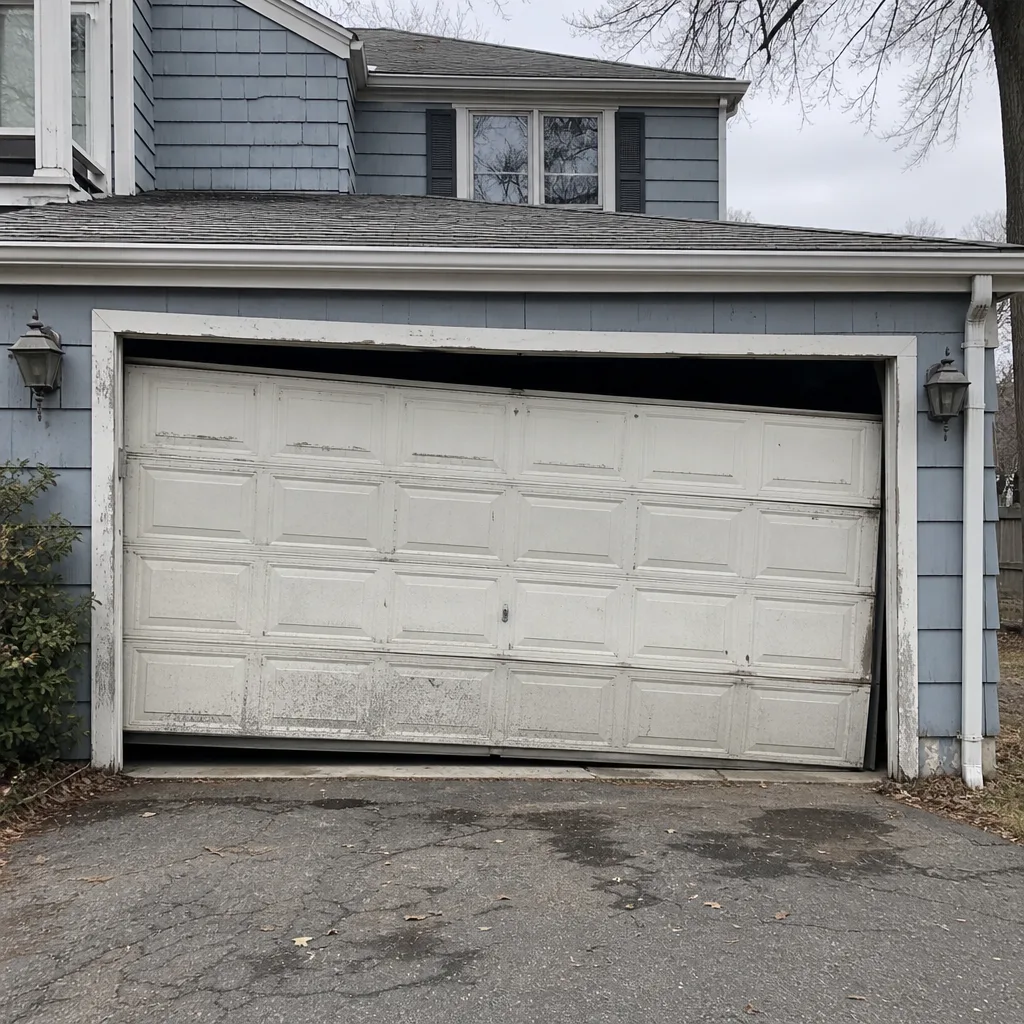
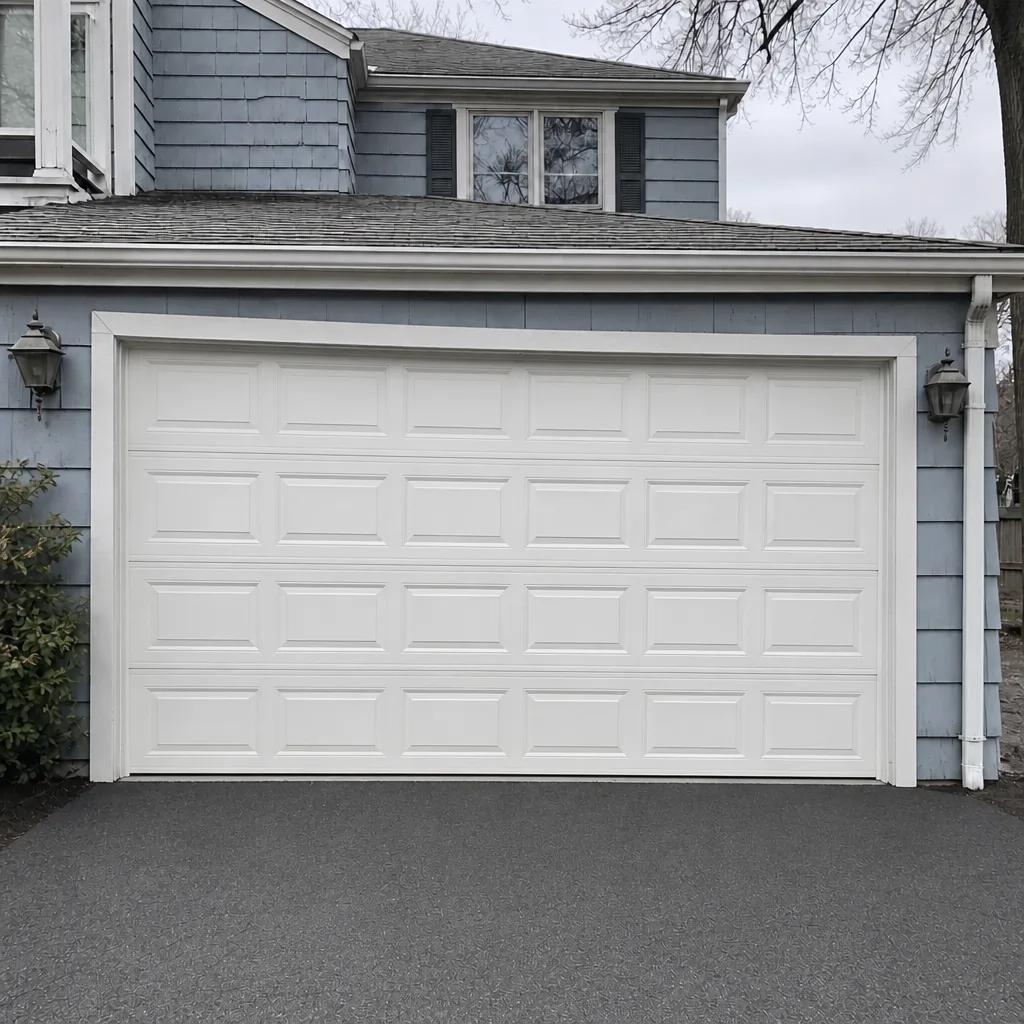
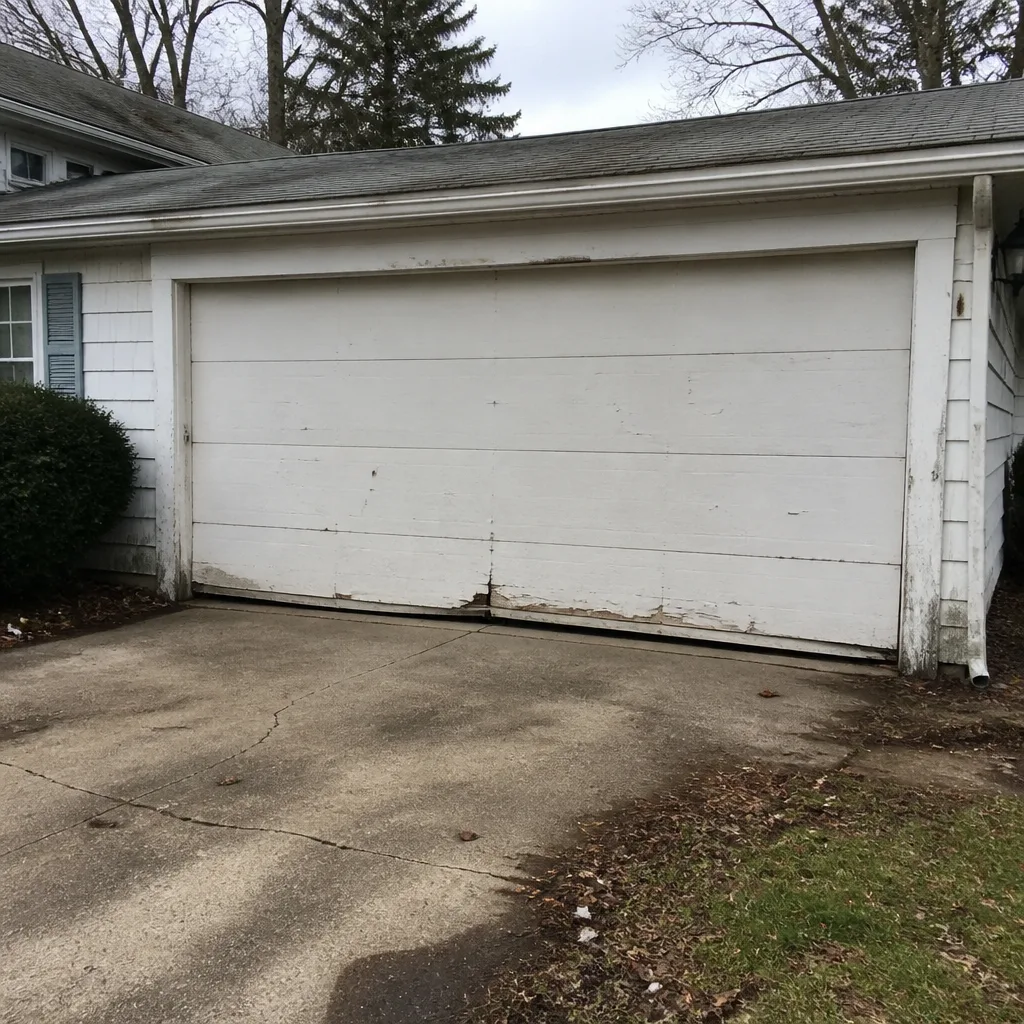
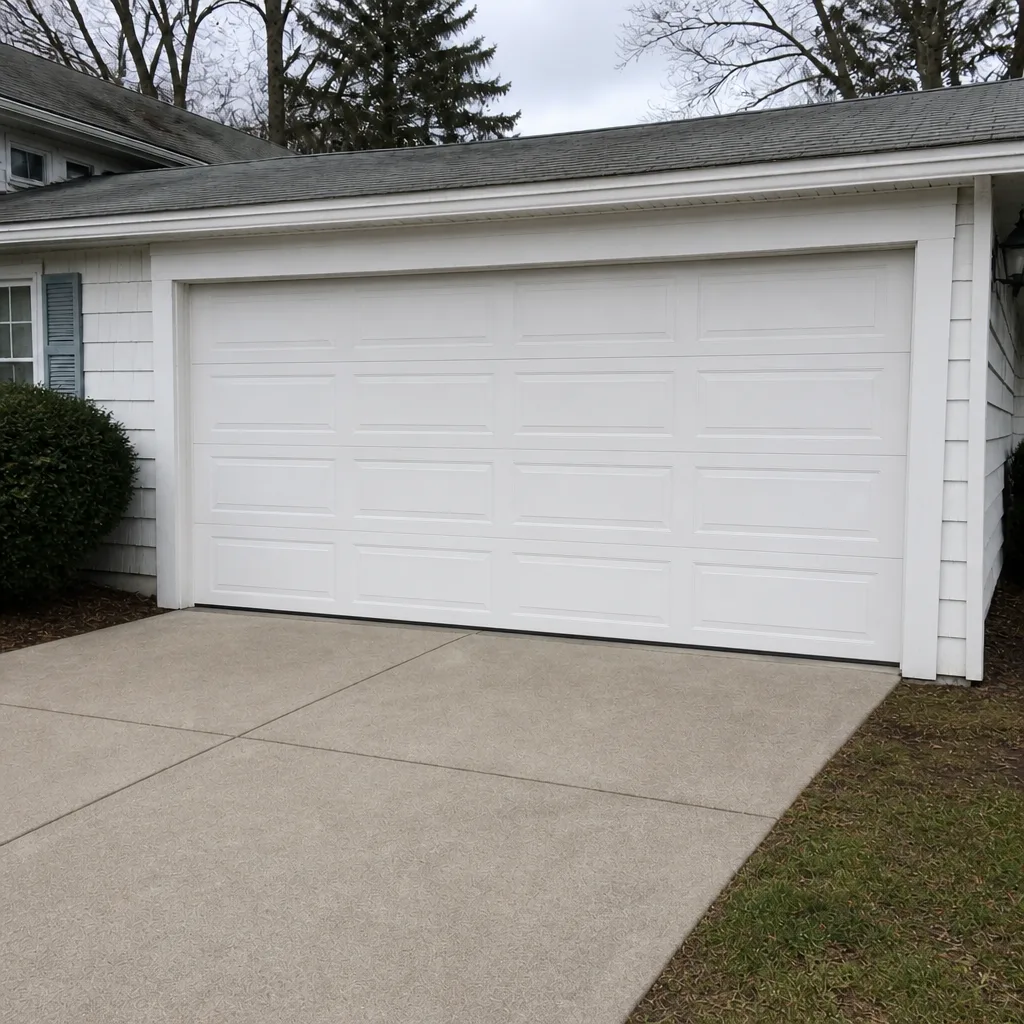
See the difference
 Before
 After
 Before
 After
 Before
 After
When to Call a Professional
Call a garage door specialist when the door won’t balance or won’t stay closed, when a spring has broken, or when you’re planning a replacement or a structural job and need a written scope before the permit conversation starts. Spring and cable work is the most dangerous part of the system, and it belongs to a trained professional, not a general maintenance visit. High-tension components, opener wiring, and frame-out work all involve real risk if the person on site isn’t trained on that work. The good news is that the diagnostic side is free: a written estimate answers the permit question, the energy code question, and the price question in one visit.
The Waltham team works on LiftMaster, Chamberlain, Genie, Clopay, Amarr, Wayne Dalton, Craftsman, and Raynor equipment, and the three service categories are garage doors, garage door openers, and garage springs – that’s it. If the job needs a permit, we’ll talk through what’s likely required and how the process goes. Free estimates in Waltham: call (833) 637-5863. We answer 24/7. Fast dispatch, 7am-7pm, Sunday through Friday.
Frequently Asked Questions
Often yes. A like-for-like replacement in the same opening is sometimes treated as an alteration under the Massachusetts State Building Code, and a job that touches the frame or header usually requires a permit. The Waltham building department makes the call for your specific job, so ask them before work starts. Call (833) 637-5863 for a free estimate on the door work itself – estimates are free.
Usually not, if it’s a straight swap on the same mounting with the same drive type. It shifts into permit territory when the job changes the mounting (high-lift or side-mount conversions, for example) or is done alongside a door replacement. If you only need the opener repaired, no permit applies at all. Call (833) 637-5863 and we’ll confirm what the job involves – estimates are free.
The inspector verifies the structural header and framing, the automatic-reverse and safety-reversal function on the opener, and the door’s balance and travel limits. On attached garages, the fire-separation assembly between garage and living space is also checked. A prep check by the installer usually catches everything first. Call (833) 637-5863 for a free estimate on getting the door ready – estimates are free.
File retroactively through the Waltham building department, provide a contractor’s written assessment of what’s code-compliant, and complete any correction work before the inspection. The permit fee is small; the correction work is the variable cost, and it’s driven by what the original install got wrong. The cheapest path is to file before you sell, not after the closing gets scheduled. Call (833) 637-5863 for a free estimate on the assessment – estimates are free.
Under Massachusetts’ stretch energy code, an insulated door on an attached garage is increasingly the expected choice, and an uninsulated door can fail inspection on a replacement. The door’s rated insulation value should be on the manufacturer’s documentation and in the written estimate. Confirm the rating before ordering, not after the door arrives. Call (833) 637-5863 – estimates are free.
It can. The install itself is usually a day or two on site, but the inspection is scheduled on the city’s calendar, so the file can stay open longer than the work takes. Build a permitting window into any timeline that overlaps with a sale or a tight deadline. Call (833) 637-5863 for a free estimate and a realistic schedule – estimates are free.
The Bottom Line
Garage door permits in Waltham come down to one question: is the job a repair or an alteration? Repair – panels, springs, hardware, a straight opener swap – usually skips the permit. A full replacement, frame-out, or structural change usually doesn’t. The inspection itself checks a short list: header and framing, auto-reverse and safety reversal, door balance and travel limits, and (on attached garages) fire separation. The energy code pulls insulated doors into the conversation on any attached garage. If you’re buying or selling a home in Waltham, verify what’s on file at the building department before a buyer’s attorney asks. Retrofiling is doable, but the closing is not the moment to discover it’s needed.
We work on garage doors only – the door, the opener, and the springs – so the answer you get is from a specialist. Keep the door operating safely, file the permits when the job calls for them, and don’t shortcut the high-tension work. A free estimate covers the scope, the permit conversation, and the written price before anything gets ordered.
Free estimates are always available at Waltham Garage Door Repair Co. Call (833) 637-5863. We answer 24/7. Fast dispatch from 7am to 7pm, Sunday through Friday. Closed Saturday.
Written by the team at Waltham Garage Door Repair Co.